
Your gut is more than just a digestive organ—it’s the foundation of your overall health. Trillions of bacteria live in your gut, playing a crucial role in nutrient absorption, immune function, and even mental well-being. When your gut is out of balance, it can affect everything from energy levels to mood.
I’ve experienced this firsthand. A few years ago, I struggled with constant bloating and fatigue. It wasn’t until I focused on a gut reset that I noticed a dramatic improvement in how I felt. This journey inspired me to create a comprehensive guide to help others achieve the same results.
In this guide, I’ll walk you through a step-by-step program designed to restore balance to your gut. You’ll learn practical tips, backed by science, and even a 3-day reset protocol to kickstart your journey. Whether you’re dealing with digestive issues or simply want to feel your best, this guide is here to help.
Ready to take control of your health? Let’s dive in and explore how a gut reset can transform your well-being.
Key Takeaways
- Your gut microbiome plays a vital role in overall health.
- Resetting your gut can improve digestion and energy levels.
- Trillions of bacteria in your gut impact nutrient absorption and immunity.
- This guide includes actionable steps and a 3-day reset protocol.
- A balanced gut can enhance both physical and mental well-being.
Introduction to the Total Gut Reset Approach
My journey to better digestion began with persistent discomfort and a desire for change. For years, I dealt with bloating, fatigue, and an overall sense of imbalance. It wasn’t until I explored a total gut reset that I discovered a path to reclaiming my health.

At first, I didn’t understand how deeply my diet and lifestyle affected my well-being. I tried quick fixes, but nothing worked. That’s when I decided to take a holistic approach, focusing on restoring balance to my body. This decision marked the start of a transformative journey.
My Personal Journey Toward Better Digestion
I remember feeling frustrated and helpless. No matter what I did, my digestive issues persisted. It wasn’t just physical discomfort—it affected my energy, mood, and overall quality of life. I knew I needed a better way to address the root cause.
After researching, I learned about the connection between gut health and overall wellness. Experts like Dr. Azcárate-Peril and Dr. Bhatt emphasize how dietary changes can rapidly shift the microbiome. This gave me hope and a clear direction.
Why I Believe in a Total Gut Reset for Health
My experience taught me that a total gut reset isn’t just about fixing digestion—it’s about reclaiming control over your body and health. This approach combines practical steps with evidence-based practices, making it accessible for anyone.
Here’s a quick overview of what a gut reset involves:
| Key Aspect | Description |
|---|---|
| Dietary Changes | Focus on whole, nutrient-dense foods to support gut health. |
| Lifestyle Adjustments | Incorporate stress management and regular sleep patterns. |
| Microbiome Support | Include probiotics and prebiotics to restore bacterial balance. |
This guide is designed to help you take the first step toward a healthier, more balanced life. It’s not just a program—it’s an opportunity to transform your well-being from the inside out.
Understanding Your Gut Microbiome
The gut microbiome is a complex ecosystem that influences more than just digestion. It’s home to trillions of bacteria, fungi, and other microorganisms that play a vital role in your overall health. These tiny inhabitants help break down food, absorb nutrients, and even regulate your immune system.
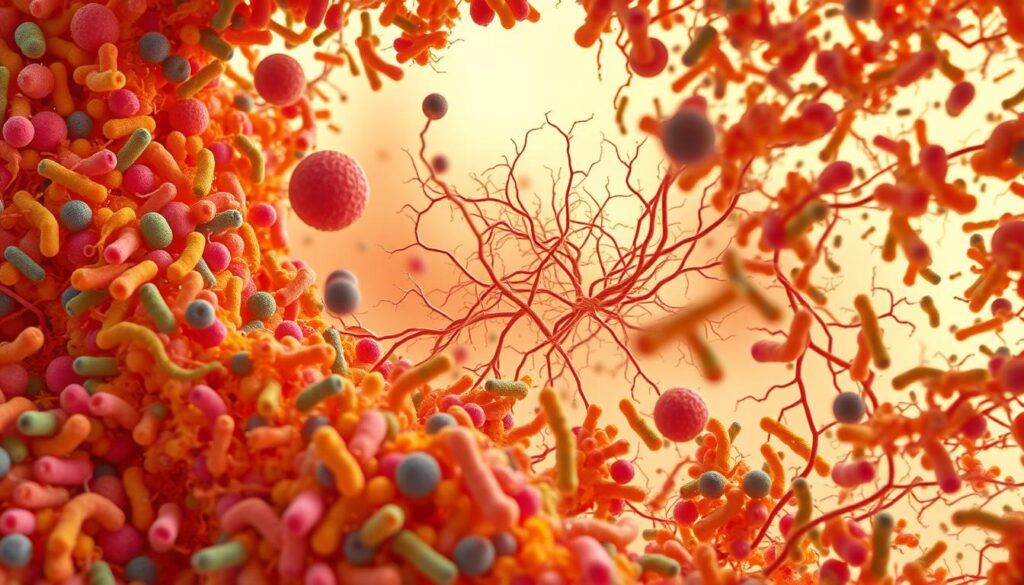
Recent studies show that the microbiome can shift rapidly in response to dietary changes. For example, increasing fiber intake can boost beneficial bacteria in just a few days. This highlights the importance of understanding how your body works before starting any program.
The Role of Beneficial Bacteria in Digestion
Beneficial bacteria are essential for breaking down food and absorbing nutrients. They produce enzymes that help digest complex carbohydrates, proteins, and fats. Without these microbes, your body would struggle to extract the energy it needs from food.
These bacteria also produce short-chain fatty acids, which support the lining of your intestines. This helps prevent inflammation and keeps your digestive system running smoothly. A balanced microbiome is key to maintaining this delicate function.
How the Microbiome Impacts Overall Well-Being
Your microbiome doesn’t just affect digestion—it influences your entire health. Research shows that a balanced microbiome can improve immune response, reduce inflammation, and even impact mood. On the other hand, an imbalance has been linked to conditions like diabetes and heart disease.
Understanding these connections is crucial for anyone looking to improve their well-being. By nurturing your microbiome, you’re not just supporting your gut—you’re investing in your overall health.
What is a Total Gut Reset?
A gut reset is more than a quick fix—it’s a journey toward lasting health. Unlike detoxes or cleanses, which often focus on short-term results, a gut reset aims to restore balance and improve your well-being over time. It’s a holistic approach that combines dietary changes, lifestyle adjustments, and microbiome support.

Defining the Concept Behind a Gut Reset
A gut reset is designed to rebalance your microbiome, the community of bacteria in your digestive system. This process involves eliminating foods that cause inflammation and introducing nutrient-dense options that promote healing. It’s not about deprivation but about nourishing your body to function at its best.
Experts like Dr. Emeran Mayer emphasize that a gut reset is a step toward sustained digestive health. It’s not a one-time fix but a foundation for long-term well-being. By focusing on your gut, you’re addressing the root cause of many health issues, from bloating to fatigue.
Benefits of Resetting Your Gut
Resetting your gut can lead to significant improvements in your overall health. Here are some key benefits:
- Reduced Inflammation: A balanced microbiome helps lower inflammation, which is linked to chronic conditions.
- Improved Digestion: You’ll experience fewer digestive symptoms like bloating and discomfort.
- Enhanced Energy: Better nutrient absorption leads to increased vitality.
- Stronger Immunity: A healthy gut supports your immune system, helping you fight off illnesses.
By taking this step, you’re not just improving your digestion—you’re investing in your long-term health. A gut reset is a powerful way to reclaim control over your body and feel your best every day.
Preparing for Your Gut Reset
Starting a gut health journey requires thoughtful preparation and a supportive environment. Before diving into dietary changes, it’s essential to set up your surroundings for success. This step ensures that your efforts are sustainable and effective.

Creating a Supportive Environment for Change
Your home environment plays a significant role in shaping your habits. Begin by organizing your kitchen to prioritize whole, nutrient-dense food. Stock up on fresh produce, lean proteins, and healthy fats while removing processed items. This simple shift makes it easier to stick to your new diet.
Next, align your daily routine with your goals. Set consistent sleep patterns to support your body’s natural rhythms. Stress management techniques, like meditation or journaling, can also help create a calm space for change.
Clearing Out Unhealthy Foods and Habits
Eliminating processed foods is a critical first step. Focus on removing items high in sugar, refined carbs, and unhealthy fats. Instead, incorporate Mediterranean diet staples like olive oil, nuts, and leafy greens. These choices promote gut health and reduce inflammation.
Pay attention to your body’s signals. Cravings or fatigue may indicate hormonal imbalances or nutrient deficiencies. Listening to these cues helps you make informed dietary shifts.
Here’s a quick checklist to get started:
- Remove processed snacks and sugary drinks.
- Introduce fermented foods like yogurt and sauerkraut.
- Prioritize hydration by drinking plenty of water each day.
- Set a consistent sleep schedule to support your health.
By taking these steps, you’re laying the foundation for a successful gut reset. Preparation is key to making lasting improvements in your health and well-being.
The 3-Day Gut Reset: A Step-by-Step Guide
Embarking on a 3-day program can be a game-changer for your digestive health. This structured plan is designed to help you reset your system, improve energy, and reduce stress. Each day focuses on specific steps to maximize results.

Day One: Kickstarting Your Gut Health
Start your day by waking up naturally, without an alarm. This helps align your body with its natural rhythms. For breakfast, opt for a simple meal like oatmeal with fresh berries. Avoid processed foods and sugary drinks.
Lunch should include lean protein and leafy greens. Dinner can be a light soup or steamed vegetables. Throughout the day, drink plenty of water to stay hydrated. This sets the foundation for the next two days.
Day Two: Incorporating Fiber and Fermented Foods
On the second day, focus on adding fiber-rich foods like whole grains, beans, and vegetables. These foods support healthy digestion and feed beneficial bacteria. Include fermented options like yogurt or sauerkraut to boost your microbiome.
For a treat, consider a small piece of dark chocolate or a glass of red wine. These can be enjoyed in moderation and add variety to your meals. Remember to stay hydrated and avoid processed snacks.
Day Three: Hydration, Stress Relief, and a Fresh Start
The final day emphasizes hydration and stress management. Start with a glass of warm lemon water to kickstart your digestion. Throughout the day, drink herbal teas and plenty of water.
Incorporate stress-relief techniques like deep breathing or a short walk. Aim for 7-8 hours of sleep to support your body’s recovery. By the end of the day, you’ll feel refreshed and energized.
“A well-structured 3-day plan can transform your digestive health and overall well-being.”
Here’s a quick summary of the 3-day program:
| Day | Focus | Key Activities |
|---|---|---|
| Day One | Kickstart | Natural wake-up, whole foods, hydration |
| Day Two | Fiber & Fermented Foods | High-fiber meals, fermented options, moderation |
| Day Three | Hydration & Stress Relief | Warm lemon water, stress techniques, quality sleep |
Following this program precisely will help you achieve a renewed sense of energy and balance. It’s a simple yet effective way to support your digestive health and overall well-being.
Integrating Diet and Lifestyle Changes
Making lasting changes to your health starts with what you eat and how you live. After completing the 3-day reset, it’s essential to transition into a sustainable routine that supports your digestive system. This means adopting meal plans that are both nourishing and enjoyable.

One approach I’ve found effective is incorporating elements of the Mediterranean diet. A 2019 study highlighted its ability to enhance gut microbial diversity, which is crucial for overall health. This diet emphasizes whole foods like fruits, vegetables, nuts, and olive oil, making it a practical choice for long-term benefits.
Adopting Healthful Meal Plans and the Mediterranean Diet
To integrate the lessons of the 3-day reset, focus on creating weekly meal plans that prioritize balance. Start by including a variety of fiber-rich foods, lean proteins, and healthy fats. These choices not only support digestion but also keep you feeling satisfied.
Here’s a sample list of gut-friendly foods to include in your meals:
- Leafy greens like spinach and kale
- Fermented foods such as yogurt and kimchi
- Whole grains like quinoa and brown rice
- Healthy fats from avocados and olive oil
Consistency is key. Even small changes, like swapping processed snacks for fresh fruit, can have a significant impact over time. By making these adjustments, you’re not just improving your digestion—you’re investing in your overall well-being.
Exercise and Sleep: Pillars of a Healthy Gut
Exercise and sleep are foundational elements for maintaining a healthy digestive system. While diet plays a significant role, physical activity and rest are equally important for supporting your gut microbiome. Research shows that these two factors can enhance microbial diversity and improve overall well-being.

How Regular Exercise Boosts Gut Microbial Diversity
Physical activity has a direct impact on the diversity of your gut bacteria. Studies reveal that even moderate exercise, like walking or yoga, can increase the number of beneficial microbes. This diversity is linked to better metabolic health and a stronger immune system.
Exercise also promotes the production of short-chain fatty acids, which support the gut lining. This reduces inflammation and improves nutrient absorption. Incorporating regular movement into your lifestyle is a simple yet effective way to enhance your digestive health.
The Importance of Aligning with Your Circadian Rhythm
Sleep is another critical factor for a balanced gut. Your circadian rhythm, or internal clock, regulates many bodily functions, including digestion. Disrupting this rhythm, such as by staying up late or inconsistent sleep patterns, can harm your microbiome.
Good sleep hygiene helps reduce stress hormone levels, which can otherwise negatively affect your gut. Aim for 7-8 hours of quality sleep each night to support your digestive system and overall health.
“A well-aligned circadian rhythm and regular exercise are essential for maintaining a healthy gut microbiome.”
Here’s a quick summary of how exercise and sleep benefit your gut:
- Exercise: Increases microbial diversity and reduces inflammation.
- Sleep: Aligns with your circadian rhythm and lowers stress hormones.
- Combined Effect: Supports a robust immune system and improves digestion.
By prioritizing both exercise and sleep, you’re creating a strong foundation for long-term gut health. These habits, along with a balanced diet, work together to keep your digestive system functioning at its best.
Practical Tips for a Successful Gut Reset
Achieving a healthy digestive system starts with practical, everyday strategies. Whether you’re new to gut health or looking to refine your routine, these tips will help you stay on track and see real results.

Meal Planning, Culinary Coaching, and Recipe Ideas
Planning your meals in advance is one of the most effective ways to support your digestive system. Start by creating a weekly menu that includes a variety of nutrient-dense foods. This ensures you’re getting the right balance of fiber, protein, and healthy fats.
Culinary coaching can also be a game-changer. A coach can help you transform classic recipes into gut-friendly meals. For example, swapping refined grains for whole grains or adding fermented foods like kimchi can make a big difference.
Here are some recipe ideas to get you started:
- Breakfast: Overnight oats with chia seeds and fresh berries.
- Lunch: Quinoa salad with roasted vegetables and a lemon-tahini dressing.
- Dinner: Grilled salmon with steamed broccoli and a side of sauerkraut.
Balancing Indulgence and Consistency
While consistency is key, it’s also important to allow yourself occasional treats. Deprivation can lead to burnout, so find a balance that works for you. For example, enjoy a small piece of dark chocolate or a glass of red wine in moderation.
Planning ahead can help you stay consistent. Prep meals on weekends or keep healthy snacks on hand for busy days. This reduces the temptation to reach for processed foods when you’re short on time.
“Small, consistent changes are the foundation of long-term success in improving your digestive health.”
By focusing on practical strategies and maintaining a balanced approach, you can achieve lasting benefits for your digestive system and overall well-being.
Addressing Common Gut Health Challenges
Digestive challenges can disrupt daily life, but understanding their root causes is the first step toward relief. Many people experience symptoms like bloating, cramping, or irregular digestion, which can stem from imbalances in the digestive system. Addressing these issues requires a combination of dietary adjustments, lifestyle changes, and stress management.
Managing Digestive Symptoms and Reducing Inflammation
Inflammation is a common culprit behind many digestive issues. It can irritate the gut lining, leading to discomfort and other symptoms. To reduce inflammation, focus on anti-inflammatory foods like leafy greens, berries, and fatty fish. Avoiding processed foods and sugars can also make a significant difference.
Here are some practical steps to manage symptoms:
- Incorporate probiotic-rich foods like yogurt and kefir.
- Stay hydrated to support digestion and reduce bloating.
- Identify and eliminate trigger foods that worsen symptoms.
If symptoms persist, it’s important to consult a healthcare professional. They can help identify underlying conditions and provide tailored advice.
Handling Stress and Its Impact on Your Gut
Stress has a profound effect on the digestive system. It can disrupt the balance of gut bacteria and exacerbate symptoms like cramping or irregularity. Managing stress is essential for maintaining a healthy gut.
Try these stress-relief techniques:
- Practice mindfulness or meditation daily.
- Engage in regular physical activity, such as walking or yoga.
- Prioritize sleep to allow your body to recover and repair.
“Managing stress is not just about mental well-being—it’s a critical component of digestive health.”
By addressing both physical and emotional factors, you can create a balanced approach to gut health. This ensures long-term relief and overall well-being.
Long-Term Lifestyle Changes for Sustained Benefits
Long-term gut health isn’t just about what you eat; it’s about how you live every day. Transitioning from a short-term reset to a sustainable lifestyle is essential for lasting results. By focusing on whole foods, consistent exercise, and stress management, you can create habits that support your digestive system and overall health.
Incorporating Whole Foods and Consistent Exercise
Whole foods are the foundation of a healthy digestive system. They provide the nutrients your body needs to function optimally. Focus on including a variety of fruits, vegetables, whole grains, and lean proteins in your meals. These foods support the diversity of your gut microbes, which is crucial for digestion and immunity.
Exercise is equally important. Regular physical activity boosts microbial diversity and reduces inflammation. Even moderate activities like walking or yoga can make a significant difference. Aim for at least 30 minutes of movement most days of the week to keep your digestive system running smoothly.
Maintaining a Mindful, Low-Stress Daily Routine
Stress can disrupt your gut function, so managing it is key. Incorporate mindfulness practices like meditation or deep breathing into your daily routine. These techniques help lower stress hormones and create a calm environment for your digestive system.
Prioritize sleep as well. A consistent sleep schedule aligns with your body’s natural rhythms, supporting both your gut and overall well-being. Aim for 7-8 hours of quality sleep each night to give your body the rest it needs.
“Small, consistent changes over time lead to lasting benefits for your digestive health and overall well-being.”
Here’s a quick summary of long-term strategies:
- Whole Foods: Prioritize nutrient-dense options for balanced meals.
- Exercise: Stay active to boost microbial diversity and reduce inflammation.
- Mindfulness: Practice stress-relief techniques daily.
- Sleep: Maintain a consistent schedule for optimal rest.
By making these adjustments, you’re not just improving your digestion—you’re investing in a healthier, more balanced life. A mindful lifestyle is the foundation for long-term success in supporting your gut health.
Personal Reflections and Success Stories
Overcoming chronic digestive issues has been one of the most transformative experiences of my life. For years, I struggled with bloating, discomfort, and fatigue, which affected my daily routine and overall well-being. It wasn’t until I committed to a holistic approach that I began to see real change.
My Experiences with Chronic Gut Issues
My journey wasn’t easy. I faced setbacks and moments of frustration, but I learned the importance of perseverance. Gradually, I noticed improvements—less bloating, more energy, and a renewed sense of balance. These small victories kept me motivated.
One of the biggest challenges was identifying trigger foods. Through trial and error, I discovered which ingredients aggravated my symptoms and which ones supported my health. This process taught me the value of listening to my body and making informed choices.
“Healing your digestive system is a journey, not a destination. Every step forward is a victory.”
I also found that stress played a significant role in my symptoms. Incorporating mindfulness practices, like meditation and journaling, helped me manage stress and improve my gut function. These habits became essential tools in my recovery.
Today, I feel more in control of my health than ever before. My experience has shown me that lasting change is possible with dedication and the right approach. If you’re struggling with digestive issues, know that you’re not alone—and that there’s hope for a healthier, more balanced life.
Total Gut Reset: Bringing It All Together
Bringing together diet, sleep, and exercise creates a powerful synergy for lasting digestive health. Each element plays a vital role in supporting your gut microbiome and overall well-being. By combining these factors, you can achieve sustainable results that go beyond temporary fixes.
Combining Diet, Sleep, and Exercise for Lasting Change
Your meal choices are the cornerstone of a healthy gut. Focus on whole, nutrient-dense foods that nourish your body and support microbial diversity. Pair this with regular physical activity, which boosts beneficial bacteria and reduces inflammation.
Sleep is equally important. Aligning with your circadian rhythm helps regulate digestion and lowers stress levels. Together, these habits create a balanced approach to long-term gut health.
Monitoring Progress and Fine-Tuning Your Routine
Tracking your progress is essential for success. Keep a journal to note changes in energy, digestion, and mood. This helps you identify what works and what needs adjustment.
Flexibility is key. If a certain plan doesn’t suit your lifestyle, tweak it to fit your needs. Sustainable options are more likely to lead to lasting benefits.
“Small, consistent changes are the foundation of long-term success in improving your digestive health.”
Here’s a quick checklist to stay on track:
- Plan your meals for the week to ensure variety and balance.
- Incorporate daily movement, even if it’s just a short walk.
- Prioritize 7-8 hours of quality sleep each night.
By focusing on these strategies, you’re not just improving your digestion—you’re investing in a healthier, more balanced life. Take the first step today and see how a holistic approach can transform your well-being.
Conclusion
Taking control of your digestive health can transform your overall well-being in ways you might not expect. Throughout this guide, I’ve shared the steps and science behind a holistic approach to restoring balance. From dietary changes to stress management, each element plays a vital role in supporting your gut and enhancing your quality of life.
By committing to these practices, you’re not just addressing symptoms—you’re investing in long-term health. Reducing processed foods and sugar, prioritizing sleep, and staying active are simple yet powerful ways to make a difference. Remember, lasting change takes time, but the benefits are worth it.
This is your opportunity to take charge of your well-being. Reflect on the information shared, and start with small, manageable steps. Your journey to a healthier, more balanced life begins today.