
I recently decided to explore a gut health reset after struggling with persistent digestive issues. My goal was to improve my overall well-being and understand how diet and lifestyle changes could make a difference. This journey led me to research the benefits of a short-term reset and its impact on the digestive system.
I focused on incorporating more fiber-rich foods, staying hydrated, and reducing processed meals. I also added probiotics and fermented options to support my gut bacteria. The process wasn’t easy, but I noticed improvements in my energy levels and reduced bloating within a few days.
Scientific studies suggest that short-term resets can help eliminate toxins and improve nutrient absorption. However, it’s essential to approach this method carefully, as drastic changes can pose risks. Consulting a doctor before starting any new regimen is always a good idea.
In this article, I’ll share my honest review of this experience, including the challenges, benefits, and whether it’s worth trying. Stay tuned for insights on how small changes can make a big difference in your digestive health.
Key Takeaways
- A gut health reset can improve digestive symptoms and overall well-being.
- Focus on fiber, water, and probiotics for better gut bacteria balance.
- Short-term resets may help eliminate toxins and enhance nutrient absorption.
- Consult a doctor before starting any new diet or cleanse.
- Small lifestyle changes can have a significant impact on gut health.
My Journey to a Healthier Gut
After years of feeling sluggish and dealing with digestive discomfort, I decided to take control of my health. I was tired of relying on quick fixes and wanted to address the root cause of my issues. This led me to explore a reset focused on improving my gut health.

Motivation and Initial Challenges
My motivation came from persistent symptoms like bloating, fatigue, and irregular bowel movements. I knew my diet and lifestyle needed a change. The first hurdle was adapting to new foods. Switching to a fiber-rich diet with more vegetables and fruits was challenging at first.
I also struggled with cutting out processed foods and sugary snacks. It took time to find alternatives that satisfied my cravings. Staying hydrated and incorporating fermented foods like yogurt and kimchi helped ease the transition.
Setting Realistic Health Goals
To ensure long-term success, I set small, achievable goals. My first goal was to drink more water daily. I aimed for at least eight glasses. Next, I focused on adding probiotics to my meals to support my gut bacteria.
Meal planning became a key part of my routine. I started preparing weekly menus to avoid unhealthy last-minute choices. Supplements like digestive enzymes also played a role in my journey.
| Goal | Action | Outcome |
|---|---|---|
| Increase Water Intake | Drink 8 glasses daily | Improved hydration and digestion |
| Add Probiotics | Include yogurt and fermented foods | Balanced gut bacteria |
| Meal Planning | Prepare weekly menus | Healthier food choices |
These changes weren’t easy, but they were worth it. Over time, I noticed improvements in my energy levels and digestive health. This journey taught me the importance of consistency and patience.
Understanding Total Gut Cleanse and Its Science
Understanding the science behind gut health was a game-changer for me. It helped me see how gut bacteria play a critical role in maintaining digestive health. These tiny organisms influence everything from nutrient absorption to immune function.
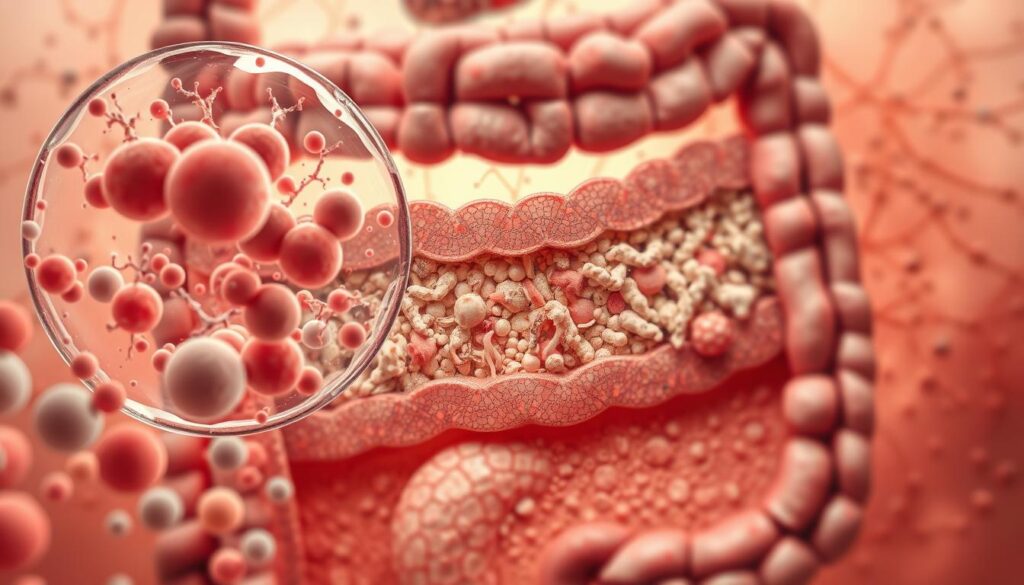
Research shows that the microbiome responds quickly to dietary changes. Adding fermented foods and probiotics can boost beneficial bacteria, while reducing processed foods helps eliminate harmful ones. This balance is key to overall wellness.
The Role of Gut Bacteria in Digestive Health
Your gut is home to trillions of bacteria. These microorganisms help break down food, produce essential nutrients, and protect against harmful pathogens. When this balance is disrupted, it can lead to issues like bloating, fatigue, and irregular bowel movements.
Studies suggest that a diet rich in fiber and low in processed foods supports a healthy microbiome. Including supplements like digestive enzymes can also help improve nutrient absorption and reduce discomfort.
How Cleanse Protocols Aim to Reset the Microbiome
Cleanse protocols are designed to “reset” the microbiome by removing toxins and promoting the growth of beneficial bacteria. Unlike a colon cleanse, which focuses on the large intestine, a gut cleanse targets the entire digestive system.
Scientific evidence shows that short-term dietary changes can have a significant impact. For example, increasing water intake and adding more vegetables and fruits can improve gut health in just a few days. However, it’s important to approach these protocols with caution and consult a doctor if needed.
Preparing for the Cleanse: Diet, Supplements, and Lifestyle
Taking charge of my digestive health required careful planning and preparation. I knew that a successful reset would depend on organizing my meals, choosing the right supplements, and making lifestyle adjustments. Here’s how I approached it.

Meal Planning and Grocery Preparation
Meal planning was the first step. I created a weekly menu to ensure I had all the ingredients for balanced meals. My focus was on fiber-rich foods like leafy greens, brightly colored vegetables, and fresh fruits. These foods are essential for supporting a healthy digestive system.
I also stocked up on fermented options like yogurt and kimchi to promote beneficial bacteria. Avoiding processed foods and sugary snacks was challenging, but having healthy alternatives on hand made it easier. Here’s a sample grocery list I used:
| Category | Examples |
|---|---|
| Vegetables | Spinach, broccoli, carrots |
| Fruits | Apples, berries, bananas |
| Fermented Foods | Yogurt, kimchi, sauerkraut |
| Whole Grains | Quinoa, brown rice, oats |
Choosing the Right Supplements and Hydration Strategies
Supplements played a key role in my preparation. I added probiotics to support my gut bacteria and digestive enzymes to improve nutrient absorption. These supplements helped reduce discomfort and enhance the benefits of my dietary changes.
Hydration was equally important. I aimed to drink at least eight glasses of water daily and incorporated herbal teas like peppermint and ginger. These teas not only kept me hydrated but also aided digestion.
Finally, I balanced my dietary changes with lifestyle adjustments. Regular exercise and adequate sleep were crucial for maintaining overall wellness. These steps ensured that my body was ready for the reset.
Implementing My Total Gut Cleanse Routine
Starting my day with a structured routine made a big difference in my digestive health journey. I focused on balancing meals, movement, and relaxation to support my body. This approach helped me stay consistent and notice improvements in my overall well-being.

Daily Practices and Exercise
I began each morning with gentle yoga to wake up my body and reduce stress. This practice not only improved my flexibility but also aided digestion. Later in the day, I added brisk walks to boost circulation and energy levels.
Research shows that regular exercise can enhance digestive health by promoting movement in the intestines. These activities became essential parts of my routine, helping me feel more balanced and focused.
Mindful Eating and Relaxation Techniques
Mindful eating transformed the way I approached meals. I took time to savor each bite, paying attention to flavors and textures. This practice helped me recognize when I was full and improved my digestion.
To unwind, I incorporated relaxation techniques like brief meditation breaks and herbal teas. Peppermint and ginger teas were particularly soothing and supported my digestive system. These small habits made a big impact on my stress levels and overall health.
Challenges like cravings and fatigue did arise, but I adapted by keeping healthy snacks on hand and prioritizing sleep. These adjustments ensured I stayed on track and reaped the benefits of my routine.
Observations on Digestive and Overall Health
Tracking my progress during this journey revealed surprising changes in my body and energy. I began to notice improvements in my digestive health and overall well-being. These shifts were not immediate but became evident as I monitored my symptoms daily.

Tracking Changes in Energy and Symptoms
One of the first signs of progress was increased energy. I felt less sluggish and more focused throughout the day. My digestive health also improved, with reduced bloating and more regular bowel movements.
I kept a journal to document these changes. Here’s a summary of what I observed:
- Day 1: Reduced bloating after meals.
- Day 3: Improved energy levels and better sleep.
- Day 5: Regular bowel movements and less discomfort.
Research supports these findings. Studies show that a diet rich in fiber and water can enhance digestive function. Adding probiotics and fermented foods also helps balance gut bacteria, leading to better health outcomes.
However, I faced some challenges. Cravings for processed foods were strong initially, but I managed them by keeping healthy snacks on hand. Drinking herbal teas like peppermint and ginger also helped curb cravings and supported digestion.
Overall, this experience taught me the importance of consistency. Small changes in food choices and lifestyle habits can lead to significant improvements in health. While the benefits were noticeable in the short term, I’m curious about the long-term effects and plan to continue monitoring my progress.
Research, Risks, and Long-Term Implications
Exploring the science behind digestive health opened my eyes to its long-term benefits. Research shows that dietary interventions, like the Mediterranean diet, can significantly improve gut health. This diet emphasizes vegetables, fruits, and fermented foods, which support a balanced microbiome.
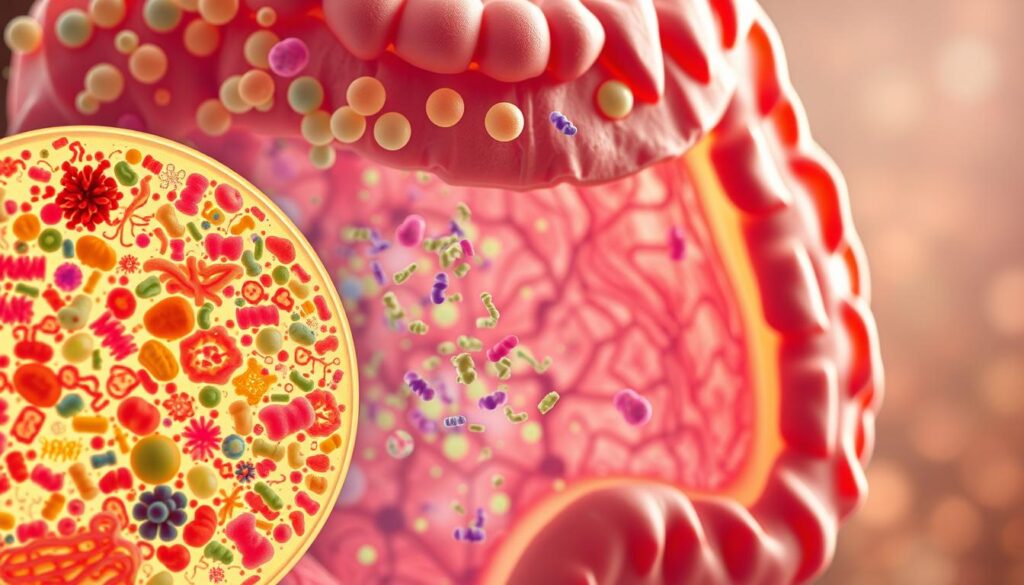
Studies comparing Western diets to Mediterranean diets highlight the importance of fiber and probiotics. These nutrients help eliminate toxins and promote beneficial bacteria. However, short-term protocols like colon cleanses or detox diets may offer limited health benefits.
Scientific Evidence and Dietary Interventions
Research indicates that sustainable dietary changes are more effective than quick fixes. For example, increasing water intake and adding fermented foods can improve digestive health over time. Here’s a comparison of dietary approaches:
| Diet Type | Key Components | Health Benefits |
|---|---|---|
| Mediterranean Diet | Vegetables, fruits, whole grains, olive oil | Improved gut health, reduced inflammation |
| Western Diet | Processed foods, high sugar, low fiber | Increased risk of digestive issues |
Potential Side Effects and Consulting a Doctor
While dietary changes can enhance overall health, some protocols carry risks. Short-term cleanses may cause side effects like dehydration or nutrient deficiencies. It’s essential to consult a doctor before starting any new regimen.
“A balanced approach to diet and lifestyle is key to long-term digestive health.”
My research reinforced the importance of sustainable habits. Small changes, like adding more vegetables and staying hydrated, have had a lasting impact on my digestive system. While short-term protocols can offer temporary relief, long-term health benefits come from consistent, mindful choices.
Conclusion
Reflecting on my journey, I realized how small changes can significantly impact digestive health. My experience with a short-term reset showed noticeable improvements in energy and reduced bloating. However, research suggests that sustainable habits are key for long-term benefits.
Short-term protocols can help eliminate toxins and improve nutrient absorption, but they are not a substitute for a balanced diet. Incorporating more fiber, staying hydrated, and adding probiotics are simple yet effective ways to support your digestive system.
Before starting any regimen, consult a doctor to ensure it’s safe for your body. Combining dietary changes with regular exercise and adequate sleep can enhance overall wellness. Remember, consistency is more impactful than quick fixes.
Take the first step toward better health by experimenting with mindful changes. Balance your efforts with professional guidance to achieve optimal results. Small, intentional adjustments can lead to lasting improvements in your well-being.