Proper digestion starts with a healthy balance of stomach acid. This essential component breaks down food, absorbs nutrients, and protects against harmful bacteria. When low stomach acid occurs, it can lead to bloating, indigestion, and nutrient deficiencies.
One effective way to support digestion is through betaine hydrochloride (HCL). This compound helps restore acid levels in the stomach, promoting better nutrient absorption. Unlike other sources, betaine HCL is both safe and efficient, making it a popular choice for those with digestive issues.
Clinical studies show that maintaining optimal stomach acid levels can improve digestion and reduce symptoms like heartburn. By understanding the role of betaine HCL, you can take steps to enhance your digestive health and overall well-being.
Key Takeaways
- Stomach acid is crucial for digestion and nutrient absorption.
- Low stomach acid can cause bloating and indigestion.
- Betaine hydrochloride helps restore healthy acid levels.
- Clinical studies support the benefits of HCL for digestion.
- Proper dosage is key to avoiding adverse effects.
Introduction to Hydrochloric Acid Supplements
Stomach acid plays a critical role in breaking down food efficiently. It helps digest proteins and absorb essential nutrients. When the amount of acid in the stomach is too low, it can lead to digestive discomfort and nutrient deficiencies.
In this article, I’ll explain why maintaining proper acid levels is vital for digestion. I’ll also explore how certain products can help restore balance. These are particularly useful for those experiencing symptoms like bloating or indigestion.

Research shows that stomach acid is essential for breaking down proteins into amino acids. Without enough acid, the body struggles to absorb nutrients like vitamin B12 and iron. This can lead to long-term health issues if not addressed.
Recent studies highlight the effectiveness of these products in improving digestion. They are especially beneficial for older adults or individuals with chronic digestive conditions. By restoring acid levels, they can enhance overall digestive health.
If you’re experiencing symptoms of low stomach acid, it might be worth considering these options. Always consult a healthcare professional to determine the right approach for your needs.
The Role of Gastric Acid in Digestion
Understanding the role of gastric acid is key to unlocking better digestion. This essential fluid, produced by the stomach, helps break down food into smaller, absorbable components. Without it, the body struggles to process nutrients effectively.
Gastric acid secretion is a complex process involving enzymes and hormones. It denatures proteins, making them easier to digest. This step is crucial for absorbing vitamins like B12 and minerals such as iron.
Normal vs. Low Stomach Acid
Normal stomach acid levels typically range between pH 1 and 3. This acidity is strong enough to break down food and kill harmful bacteria. However, when levels drop, digestion becomes less efficient.
Low stomach acid, or hypochlorhydria, can lead to symptoms like bloating and indigestion. Studies show that aging can reduce acid secretion, making older adults more prone to this condition. Identifying these differences early is crucial for maintaining digestive health.
Clinical Indicators of Hypochlorhydria
Hypochlorhydria often presents with symptoms like nutrient malabsorption and frequent indigestion. Research highlights that advanced measurements of gastric pH can reveal significant differences between age groups.
Disruptions in acid secretion may also lead to microbial overgrowth in the stomach. This can further complicate digestion and nutrient absorption. Addressing these issues promptly can help restore balance and improve overall health.
Benefits of Hydrochloric Acid Supplements
Maintaining optimal digestive health often hinges on balanced stomach acid levels. When these levels are low, it can lead to issues like bloating, indigestion, and poor nutrient absorption. Restoring the right amount of acid can significantly improve digestion and overall well-being.
Improved Protein Digestion and Nutrient Absorption
One of the most noticeable benefits I’ve experienced is enhanced protein digestion. With balanced stomach acid, proteins break down more efficiently into amino acids. This process is crucial for muscle repair and overall health.
Proper acid levels also play a key role in nutrient absorption. Vitamins like B12 and minerals such as iron rely on adequate acid secretion for uptake. Without it, deficiencies can occur, leading to long-term health issues.
Research shows that digestive enzymes work best in an acidic environment. When acid levels are optimal, these enzymes break down food more effectively. This not only improves digestion but also reduces common discomforts like bloating and heartburn.
| Benefit | Description |
|---|---|
| Enhanced Protein Digestion | Breaks down proteins into amino acids for better absorption. |
| Improved Nutrient Uptake | Facilitates absorption of vitamins and minerals like B12 and iron. |
| Better Enzyme Function | |
| Reduced Digestive Discomfort | Alleviates symptoms like bloating, indigestion, and heartburn. |
By addressing low stomach acid, I’ve seen a significant improvement in my digestive health. Proper acid levels not only enhance nutrient absorption but also support overall gastrointestinal function. If you’re experiencing similar issues, it’s worth exploring ways to restore balance.
How to Supplement Hydrochloric Acid Safely and Effectively
Optimizing digestion requires careful attention to stomach acid levels. When these levels are low, it can lead to discomfort and poor nutrient absorption. Restoring balance through proper supplementation can make a significant difference.

Step-by-Step Supplementation Protocol
Starting with the right dose is crucial. Begin with one capsule containing betaine HCl during a protein-rich meal. Monitor your body’s response over the next few hours.
If no discomfort occurs, gradually increase the dose by one capsule with each subsequent meal. This method helps identify the optimal level without causing irritation. Clinical studies show that gradual titration improves digestive outcomes.
Safety Tips and Considerations
Always take capsules with meals to ensure effectiveness. Avoid using these products if you’re on medication like pump inhibitors, as they can interfere with acid production.
Watch for symptoms like heartburn or stomach pain. If these occur, reduce the dose or stop use immediately. Consulting a healthcare professional is essential to tailor the approach to your needs.
| Step | Action |
|---|---|
| 1 | Start with one capsule during a protein-rich meal. |
| 2 | Monitor for discomfort or irritation. |
| 3 | Gradually increase the dose if no issues arise. |
| 4 | Adjust or stop use if symptoms occur. |
By following this protocol, you can safely and effectively support your digestion. Proper supplementation, combined with a balanced diet, can enhance nutrient absorption and overall health.
Exploring Betaine HCl and Its Role
The difference between betaine and betaine HCl lies in their chemical structure and function. While both are derived from the same base compound, their applications in health and digestion vary significantly. Betaine, also known as trimethylglycine, is often used to support liver function and metabolism. On the other hand, betaine hydrochloride is specifically designed to address low stomach acid levels.
Chemical Distinctions and Functionality
Betaine is a naturally occurring compound found in foods like beets and spinach. It plays a role in methylation processes and liver health. In contrast, betaine HCl is a synthesized form that includes hydrochloric acid. This addition makes it highly effective for restoring stomach acid levels.
When ingested, betaine HCl quickly dissociates in the stomach, releasing hydrochloric acid. This process helps break down food more efficiently, particularly proteins. The speed of dissociation ensures that the acid is available exactly where and when it’s needed.
Clinical Implications and Practical Insights
Research shows that betaine hydrochloride is particularly beneficial for individuals with hypochlorhydria, or low stomach acid. It aids in protein digestion and nutrient absorption, reducing symptoms like bloating and indigestion. Proper dosing is crucial to avoid discomfort and achieve optimal results.
Unlike betaine, which is used for metabolic support, betaine HCl focuses on digestive health. This distinction is important when choosing the right compound for your needs. Always consult a healthcare professional to determine the best approach.
Safety Considerations
While betaine HCl is generally safe, it’s essential to use it correctly. Start with a low dose and gradually increase it to avoid irritation. Avoid using it if you’re on medications that reduce stomach acid, as it may interfere with their effectiveness.
By understanding the differences between betaine and betaine hydrochloride, you can make informed decisions about your digestive health. This knowledge ensures that you’re using the right compound for your specific needs.
Dosing & Titration Guidelines for HCl Supplementation
Finding the right dose for digestive support is essential for optimal results. I’ve found that empirical testing is the most effective way to determine the ideal amount. This method involves starting with a small dose and gradually increasing it based on your body’s response.
Empirical Testing and Gradual Increase
To begin, I recommend starting with one capsule during a protein-rich meal. This allows the enzyme activity to work more efficiently. Over the next few hours, monitor for any signs of discomfort, such as heartburn or stomach pain.
If no issues arise, gradually increase the dose by one capsule with each subsequent meal. This incremental approach helps identify the optimal level without causing irritation. Clinical studies support this method for achieving better digestive outcomes.
Careful observation of symptoms is crucial to avoid overtreatment. If mild discomfort occurs, reduce the dose slightly. This ensures that you’re not overwhelming your system while still supporting digestion.
Impact of Proton Pump Inhibitors
If you’re taking proton pump inhibitors, it’s important to adjust your approach. These medications reduce acid production, which can affect how your body responds to supplementation. In such cases, consult a healthcare professional to tailor the dose appropriately.
| Step | Action |
|---|---|
| 1 | Start with one capsule during a protein-rich meal. |
| 2 | Monitor for discomfort or irritation. |
| 3 | Gradually increase the dose if no issues arise. |
| 4 | Adjust or stop use if symptoms occur. |
By following these guidelines, you can safely and effectively support your digestive health. Proper dosing and titration ensure that you achieve the best results without adverse reactions.
Enhancing Digestion Through Acid Supplementation
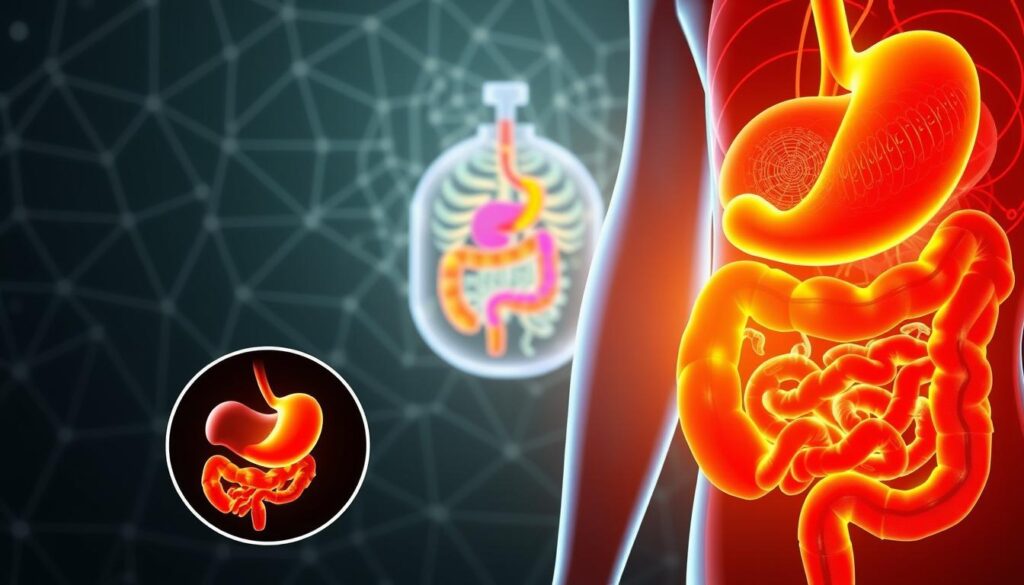
Balanced stomach acid levels are essential for efficient digestion and nutrient absorption. When these levels are optimized, the body can break down food more effectively, leading to better overall health. I’ve personally observed significant improvements in nutrient uptake when stomach acid is properly maintained.
Impact on Protein and Micronutrient Uptake
One of the most noticeable effects of balanced stomach acid is enhanced protein digestion. Proteins are broken down into amino acids more efficiently, which is crucial for muscle repair and overall health. This process also supports the absorption of essential nutrients like vitamin B12 and iron.
Research shows that proper acid levels improve the function of digestive enzymes. These enzymes work best in an acidic environment, ensuring food is broken down thoroughly. This not only aids digestion but also reduces common discomforts like bloating and indigestion.
- Improved protein digestion leads to better nutrient utilization.
- Optimal acid levels enhance the absorption of vitamins and minerals.
- Digestive enzymes function more effectively in an acidic environment.
- Balanced acid levels reduce symptoms like bloating and heartburn.
By maintaining proper stomach acid levels, I’ve seen a significant improvement in my digestive health. This balance not only supports nutrient absorption but also enhances overall gastrointestinal function. If you’re experiencing similar issues, it’s worth exploring ways to restore this balance.
Managing Side Effects and Precautions
Supporting digestive health requires awareness of potential side effects and precautions. While restoring balance can improve digestion, it’s important to recognize and address any discomfort early. This ensures a smoother experience and better results.

Recognizing and Mitigating Discomfort
Common symptoms like heartburn or mild digestive discomfort may occur when adjusting acid levels. These are often temporary and can be managed effectively. For instance, using baking soda to neutralize excess acid can provide quick relief.
If you experience persistent heartburn, it’s a sign to reassess your approach. Reducing the dose or spacing out intake can help. Always listen to your body and adjust accordingly.
When to Consult a Healthcare Professional
Certain conditions, such as peptic ulcer disease, may contraindicate the use of acid-restoring products. If you have a history of such issues, consult a healthcare provider before starting any regimen.
Additionally, if symptoms persist or worsen, professional intervention is crucial. This is especially important if you’re on medications like proton pump inhibitors, as they can interact with acid levels.
- Monitor for early warning signs like persistent heartburn or discomfort.
- Use simple remedies like baking soda to neutralize excess acid.
- Avoid use if you have contraindicated conditions like peptic ulcers.
- Seek professional advice if symptoms don’t improve or worsen.
By staying vigilant and proactive, you can manage side effects effectively and maintain digestive health. Always prioritize safety and consult a professional when in doubt.
Integrating Supplementation with Overall Health
Achieving digestive wellness involves more than just supplementation; it’s about integrating it with daily habits. I’ve found that combining dietary practices with targeted support creates a more balanced approach to health. This holistic strategy ensures better results and long-term benefits.

Combining Dietary Practices and Medication Adjustments
Balanced dietary habits play a crucial role in supporting digestion. I focus on incorporating nutrient-rich foods like leafy greens, lean proteins, and whole grains. These choices not only enhance digestion but also provide essential vitamins and minerals.
When using certain medications, adjustments may be necessary. For example, proton pump inhibitors can reduce stomach acid levels, which may counteract the benefits of supplementation. I always consult my healthcare provider to ensure compatibility and avoid potential interactions.
Strategies for Optimal Integration
Timing is key when it comes to supplementation. I take capsules with protein-rich meals to maximize their effectiveness. This ensures that the acid is available when needed for digestion and nutrient absorption.
Lifestyle changes, such as reducing stress and staying hydrated, also contribute to better digestive health. I’ve noticed that these adjustments, combined with proper supplementation, create a more sustainable approach to wellness.
| Strategy | Benefit |
|---|---|
| Incorporate nutrient-rich foods | Enhances digestion and provides essential nutrients. |
| Adjust medication use | Prevents interactions and ensures compatibility. |
| Time supplementation with meals | Maximizes effectiveness and supports digestion. |
| Adopt lifestyle changes | Promotes long-term digestive health. |
By integrating these practices, I’ve seen significant improvements in my digestive health. This approach not only supports digestion but also enhances overall well-being. If you’re considering supplementation, combining it with these strategies can lead to better results.
Emerging Research and Practical Applications
Emerging research is reshaping how we approach digestive health, particularly with betaine HCl. Recent studies highlight its potential to optimize gastric acid levels, leading to better digestion and nutrient absorption. This section explores the latest findings and their implications for future health strategies.
Recent Clinical Studies on Betaine HCl
Several clinical studies have examined the effects of betaine hydrochloride administration during meals. One study found that participants experienced improved protein digestion and reduced bloating. Another research project noted enhanced nutrient absorption, particularly for vitamin B12 and iron.
These findings suggest that betaine HCl can play a significant role in addressing low gastric acid levels. Researchers are also exploring innovative methods to refine supplementation protocols, ensuring better outcomes for users.
Implications for Future Digestive Health
The potential applications of betaine HCl extend beyond current uses. Ongoing research is investigating its role in combination with other digestive therapies. For example, pairing it with probiotics or digestive enzymes could offer a more comprehensive approach to gut health.
As studies continue, I’ve adjusted my approach to maintaining optimal digestive function. Staying informed about the latest research ensures that I’m using the most effective strategies available.
| Study Focus | Key Findings |
|---|---|
| Protein Digestion | |
| Nutrient Absorption | Enhanced uptake of vitamins and minerals like B12 and iron. |
| Supplementation Protocols | Innovative methods for better dosage and timing. |
| Combination Therapies | Potential synergy with probiotics and digestive enzymes. |
By leveraging the latest research, I’ve seen significant improvements in my digestive health. The evolving understanding of betaine HCl offers exciting possibilities for future applications and better outcomes.
Conclusion
Balancing stomach acid levels has transformed my approach to digestive health. By restoring the right amount of acid, I’ve noticed significant improvements in digestion and nutrient absorption. This simple change has reduced bloating and discomfort, making meals more enjoyable.
Following a proper dosing protocol is essential for safe use. I started with small amounts and gradually increased based on my body’s response. Monitoring for side effects ensured I avoided irritation while still supporting my health.
Recent research highlights the effectiveness of this approach. Studies show that maintaining optimal acid levels enhances protein breakdown and nutrient uptake. These findings reinforce the importance of this therapy for overall well-being.
Integrating these practices into my daily routine has been a game-changer. With professional guidance, I’ve made small adjustments that lead to big improvements. Taking control of my digestive health has been one of the best decisions for my overall wellness.