
Living with celiac disease or gluten sensitivity can be challenging. Avoiding gluten is essential, but accidental exposure often happens. This can lead to discomfort and health issues. That’s why finding the right dietary aid is crucial for many.
Recent research has explored options like GluteGuard and Latiglutenase. These aids are designed to help manage accidental gluten exposure. While not a cure, they can provide a safety net for those on a strict gluten-free diet.
Understanding the benefits and limitations of these solutions is key. This article dives into the latest findings and offers insights to help you make informed decisions. Let’s explore how these aids work and what they mean for your health.
Key Takeaways
- Accidental gluten exposure is a common challenge for those with celiac disease.
- Dietary aids like GluteGuard and Latiglutenase are being researched for their potential benefits.
- These solutions are not a cure but can help manage accidental exposure.
- Understanding the role of gluten in food is essential for a gluten-free diet.
- Informed decision-making is crucial when considering dietary aids.
Understanding Gluten Intolerance and Celiac Disease
Gluten plays a significant role in many foods, but it can cause serious health problems for some. Found in wheat, barley, and rye, gluten gives dough its elasticity and helps baked goods maintain their shape. However, for individuals with celiac disease or gluten sensitivity, consuming gluten can lead to discomfort and long-term health issues.

What is Gluten and Its Role in Food
Gluten is a protein composite that acts as a binding agent in many foods. It’s what makes bread chewy and gives pasta its firm texture. Common grains like wheat, barley, and rye contain gluten, making it a staple in many diets.
Beyond baked goods, gluten is often used in sauces, soups, and processed foods to enhance texture and consistency. While it’s a versatile ingredient, its effects on health vary widely depending on the individual.
Gluten-Related Medical Conditions and Sensitivities
For those with celiac disease, consuming gluten triggers an immune response that damages the small intestine. This can lead to symptoms like abdominal pain, bloating, and fatigue. Dermatitis herpetiformis, a skin condition linked to celiac disease, also results from gluten consumption.
Non-celiac gluten sensitivity is another condition where individuals experience similar symptoms without the intestinal damage. While less severe, it still requires careful dietary management.
| Condition | Primary Symptoms | Management |
|---|---|---|
| Celiac Disease | Abdominal pain, bloating, fatigue | Strict gluten-free diet |
| Non-Celiac Gluten Sensitivity | Digestive discomfort, headaches | Gluten-free diet as needed |
| Dermatitis Herpetiformis | Itchy, blistering skin rash | Gluten-free diet, medication |
Understanding these conditions is crucial for managing health effectively. By recognizing the role of gluten in food and its impact on the body, individuals can make informed decisions about their diet and lifestyle.
Navigating the Challenges of a Gluten-Free Diet
Even with careful planning, accidental gluten exposure remains a common issue. For individuals with celiac disease or gluten sensitivity, maintaining a strict diet is essential. However, hidden sources of gluten can make this process more complicated than it seems.

Risks of Accidental Gluten Exposure
Accidental ingestion of gluten can happen in unexpected ways. Cross-contamination in kitchens, shared utensils, or unlabeled ingredients are common culprits. For those with celiac disease, even a small amount can trigger symptoms like abdominal pain, fatigue, and nutrient malabsorption.
Research shows that unlabeled gluten in food products is more prevalent than many realize. This makes it crucial to read labels carefully and stay informed about potential risks. Understanding these challenges is key to managing health effectively.
Hidden Gluten in Processed Foods
Processed foods often contain hidden gluten used as a binding agent or filler. Items like sauces, soups, and snacks may seem safe but can undermine a gluten-free diet. This can lead to discomfort and long-term health issues, especially for those with celiac disease.
Here’s a breakdown of common foods where gluten might be hidden:
| Food Category | Potential Gluten Sources |
|---|---|
| Sauces and Dressings | Soy sauce, gravies, marinades |
| Snacks | Flavored chips, pretzels, candy |
| Processed Meats | Sausages, deli meats, meatballs |
| Beverages | Beer, malt drinks, some coffees |
Ongoing research into food contamination highlights the importance of vigilance. Combining dietary management with informed choices can help reduce risks and improve overall well-being.
How to Choose a supplement for gluten intolerance
Selecting the right dietary aid for managing gluten-related issues requires careful consideration. With various options available, understanding the role of key enzymes and nutrients is essential. This ensures the product aligns with your health needs and dietary goals.

Key Enzymes and Nutrients in Effective Products
Effective dietary aids often contain enzymes like caricain, derived from Carica papaya. These enzymes help break down gluten proteins, reducing the risk of discomfort from accidental exposure. Caricain has been studied for its ability to target gluten peptides, making it a valuable component in certain formulations.
In addition to enzymes, products may include vitamins and nutrients to support overall health. For individuals with celiac disease, deficiencies in vitamins like B12 and D are common. A well-rounded dietary aid can help address these gaps while supporting digestive function.
Evaluating Research, Safety, and FDA Oversight
When choosing a dietary aid, it’s crucial to review the research behind it. Look for clinical studies that demonstrate its effectiveness and safety. While the FDA does not regulate dietary aids as strictly as medications, reputable brands often provide transparency about their testing and results.
Here are some criteria to consider when evaluating a product:
- Ingredient Quality: Ensure the product uses high-quality, well-researched components.
- Clinical Backing: Look for studies or trials that support the product’s claims.
- Safety: Check for any potential side effects or interactions with other medications.
Consulting a healthcare professional before starting a new dietary aid is always recommended. They can provide personalized advice based on your specific condition and needs.
Supplementing Nutrient Deficiencies in Gluten Sensitivity
Managing nutrient deficiencies is a critical aspect of living with celiac disease. Damage to the small intestine from gluten can impair the body’s ability to absorb essential vitamins and minerals. Even with a balanced diet, many individuals face ongoing nutritional gaps that impact their health.
Common Nutrient Deficiencies in Celiac Disease
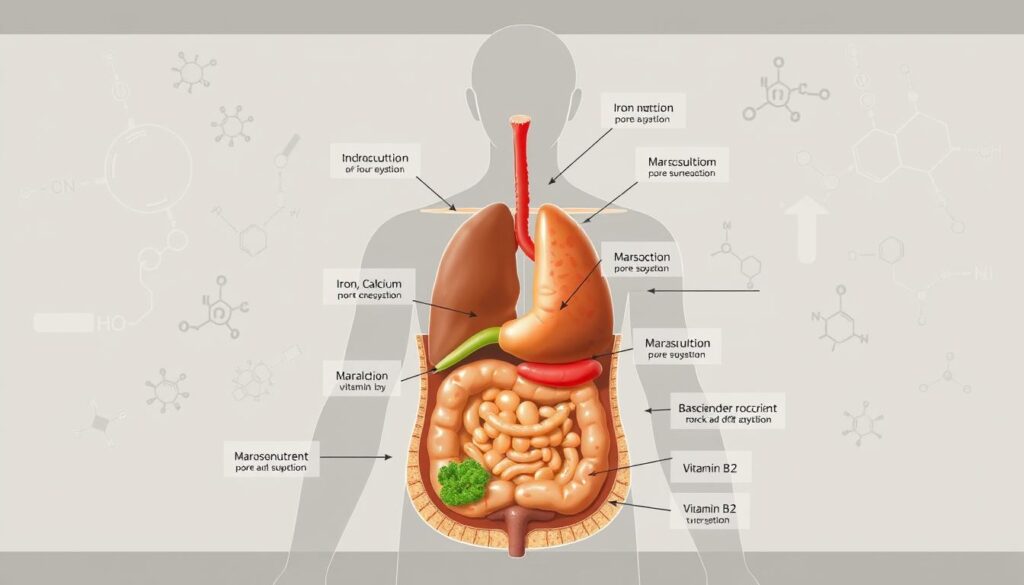
Individuals with celiac disease often experience deficiencies in key nutrients. The most common include vitamin B12, iron, and calcium. These deficiencies can lead to symptoms like fatigue, anemia, and weakened bones.
Gluten-induced inflammation damages the intestinal lining, reducing nutrient absorption. This makes it difficult for the body to process vitamins and minerals effectively. Addressing these gaps is essential for recovery and long-term health.
Why a Balanced Diet May Not Be Enough
While a gluten-free diet is the cornerstone of managing celiac disease, it doesn’t always provide sufficient nutrients. Processed gluten-free foods often lack the vitamins and minerals found in whole grains. Additionally, the body’s ability to absorb nutrients may remain compromised even after adopting a strict diet.
Research shows that dietary sources alone may not meet the nutritional needs of individuals with celiac disease. “Even with careful dietary planning, many patients continue to experience deficiencies,” notes a recent study. This highlights the importance of targeted supplementation to restore balance.
| Nutrient | Common Symptoms of Deficiency |
|---|---|
| Vitamin B12 | Fatigue, memory issues, tingling in hands and feet |
| Iron | Anemia, weakness, pale skin |
| Calcium | Weak bones, fractures, muscle cramps |
| Vitamin D | Bone pain, frequent infections, mood changes |
Understanding these deficiencies and their symptoms is the first step toward better health. Nutritional testing can help identify specific gaps, allowing for tailored supplementation. By combining a balanced diet with targeted support, individuals can improve their overall well-being.
Listing Top Enzyme Supplements and User Experiences
Effective enzyme-based aids are gaining attention for their potential benefits. These products are designed to help manage accidental exposure to wheat proteins, offering a safety net for those with celiac disease or sensitivity. Let’s explore some of the most popular options and what users and experts have to say.

Overview of Popular Options Like GluteGuard, Latiglutenase, and AN-PEP
GluteGuard uses caricain, an enzyme derived from papaya, to break down gluten proteins. Clinical trials suggest it can reduce discomfort from accidental exposure. Many users report feeling more confident when dining out or traveling.
Latiglutenase is another enzyme-based product that targets gluten peptides. Research shows it can help minimize gut damage in individuals with celiac disease. However, some studies note that its effectiveness may vary based on dosage and timing.
AN-PEP is a protease enzyme that breaks down gluten in the stomach. While it doesn’t prevent all symptoms, it has shown promise in reducing discomfort. Users appreciate its convenience, especially when eating out.
What Healthcare Experts and Clinical Trials Reveal
Healthcare professionals emphasize the importance of understanding how these products work. “Enzyme aids are not a cure, but they can provide significant relief,” says one expert. Clinical trials highlight their potential, though results can vary.
Funding for some studies comes from the manufacturers, which raises questions about bias. However, independent research also supports their use. Always verify product labels to ensure they meet your dietary needs.
User experiences are mixed but generally positive. Many patients report fewer symptoms and improved quality of life. Still, it’s essential to consult a healthcare provider before starting any new product.
Conclusion
Navigating life with celiac disease or gluten sensitivity requires a thoughtful approach. While a strict gluten-free diet is essential, it may not always prevent accidental exposure. This is where high-quality products can play a supportive role, helping to manage symptoms and improve overall well-being.
Choosing the right dietary aid involves careful consideration. Look for products backed by research and manufactured to high standards. Always consult a healthcare professional before making changes to your regimen. They can provide personalized advice based on your specific needs.
Understanding potential nutrient deficiencies is also crucial. Regular monitoring and a balanced approach can help maintain your health. Quality information and research-backed solutions are key to managing this condition effectively.
Thank you for exploring this topic with me. As new findings emerge, staying informed will continue to be the best way forward. Let’s keep the conversation going and support each other in this evolving journey.