
Understanding how my body processes food has been a game-changer for my health. I’ve learned that digestion starts in the mouth, where enzymes begin breaking down what I eat. These enzymes are naturally produced by my body, playing a vital role in how I absorb nutrients.
Research shows that a healthy gut is linked to overall well-being. When my stomach feels off, it affects not just my body but also my brain. Symptoms like bloating or discomfort are signals that something isn’t right. Recognizing these signs has motivated me to improve my digestive function.
Food is more than just fuel—it’s the foundation of good health. Whole grains, for example, support my gut by providing essential fiber. However, certain components like lactose can cause problems for some people. By paying attention to what I eat, I’ve found ways to optimize my digestion naturally.
This journey has taught me the importance of listening to my body and making informed choices. A balanced diet and a healthy gut are key to feeling my best every day.
Key Takeaways
- Digestion begins in the mouth with the help of enzymes.
- A healthy gut is essential for overall well-being.
- Whole foods like grains support digestive health.
- Symptoms like bloating signal digestive issues.
- Dietary components like lactose can affect digestion.
Understanding Digestive Enzymes and Their Role in My Health
Digestive enzymes play a crucial role in how my body processes food. From the moment I take a bite, these enzymes start breaking down what I eat. Saliva in my mouth contains amylase, which begins breaking down carbohydrates. This process continues in my stomach and pancreas, where lipase and protease handle fats and proteins.

“Digestive enzymes are essential for nutrient absorption and overall health.”
Without them, my body would struggle to extract the nutrients it needs from food. This understanding has helped me appreciate the importance of these enzymes in my daily life.
How Digestive Enzymes Work
Amylase, lipase, and protease work together to break down different components of my diet. Amylase targets carbohydrates, lipase handles fats, and protease focuses on proteins. These enzymes are produced in my mouth, stomach, and pancreas, ensuring that my digestive system functions smoothly.
Here’s a quick breakdown of their roles:
| Enzyme | Function | Location |
|---|---|---|
| Amylase | Breaks down carbohydrates | Mouth, Pancreas |
| Lipase | Breaks down fats | Stomach, Pancreas |
| Protease | Breaks down proteins | Stomach, Pancreas |
Identifying Enzyme Insufficiency and Its Symptoms
Sometimes, my body doesn’t produce enough enzymes, leading to issues like bloating, gas, and discomfort. Conditions like congenital sucrase-isomaltase deficiency or exocrine pancreatic insufficiency (EPI) can cause these problems. Recognizing these symptoms early is key to addressing them effectively.
If I notice persistent digestive issues, I consult a doctor for proper diagnosis. A balanced diet rich in fiber, protein, and essential nutrients can support enzyme function. While over-the-counter supplements are available, they’re not always necessary when I maintain a wholesome diet.
Understanding digestive enzymes has empowered me to make better choices for my health. By listening to my body and seeking expert advice when needed, I can ensure my digestive system stays in top shape.
Cultivating Super Digestion: My Personal Approach
Taking control of my diet has transformed how my body feels every day. I’ve learned that the right foods can make a huge difference in my gut health. By carefully selecting what I eat, I’ve been able to address digestive issues and feel more energized.
Choosing the Right Foods to Fuel My Gut
I focus on incorporating a variety of fruits, whole grains, and lean proteins into my meals. These foods provide essential nutrients that support my digestive system. For example, whole grains are rich in fiber, which helps regulate my gut and prevent issues like bloating and diarrhea.

Lean proteins, such as chicken and fish, are also a staple in my diet. They help maintain muscle mass and keep me feeling full longer. Fruits like bananas and apples are easy to digest and provide natural sugars for energy.
Balancing Fiber, Protein, and Essential Nutrients
Balancing my intake of fiber, protein, and essential nutrients has been key to improving my digestion. Fiber, in particular, plays a crucial role in maintaining a healthy digestive tract. It helps move food through my system smoothly and reduces discomfort.
Here’s a breakdown of how I balance my meals:
| Nutrient | Source | Benefit |
|---|---|---|
| Fiber | Whole grains, fruits, vegetables | Supports gut health, reduces bloating |
| Protein | Lean meats, beans, nuts | Builds muscle, keeps you full |
| Carbohydrates | Whole grains, fruits | Provides energy |
Research shows that a balanced diet can significantly reduce digestive problems. I’ve also found that listening to my body and consulting a doctor when needed helps tailor my food choices. For example, if I notice discomfort after consuming lactose, I adjust my diet accordingly.
By focusing on nutrient-rich foods and maintaining a balanced diet, I’ve been able to support my digestive system naturally. This approach has not only improved my gut health but also enhanced my overall well-being.
Nourishing My Gut with Whole Foods and Nutritious Choices
Whole foods have become the cornerstone of my daily meals for better health. By focusing on nutrient-rich options, I’ve noticed a significant improvement in how my body feels. These choices not only support my digestion naturally but also enhance my overall well-being.
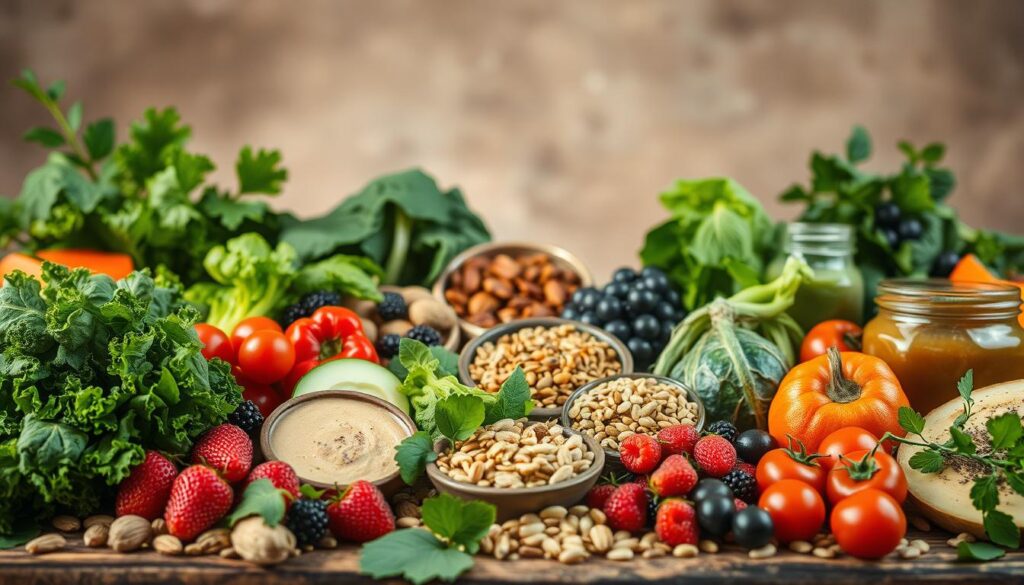
The Benefits of Whole Grain, Lean Protein, and Fresh Fruit
Whole grains are a staple in my diet because they provide essential fiber and omega-3 fatty acids. These nutrients support colon cell function and keep my digestive system running smoothly. Lean proteins like chicken and fish help maintain muscle mass and keep me feeling full longer.
Fresh fruits, such as bananas and apples, are easy to digest and provide natural sugars for energy. They’re also rich in vitamins and antioxidants, which contribute to my overall health. Incorporating these foods has made a noticeable difference in my energy levels and comfort.
Incorporating Leafy Greens and Other Vital Vegetables
Leafy greens like spinach and kale are rich in essential nutrients, including iron and vitamin K. They’re also packed with fiber, which helps regulate my gut and prevent issues like bloating. Other vegetables, such as carrots and broccoli, add variety and additional nutrients to my meals.
Here’s a quick breakdown of the benefits of these foods:
| Food | Key Nutrient | Benefit |
|---|---|---|
| Whole Grains | Fiber | Supports colon health |
| Lean Protein | Protein | Builds muscle, keeps you full |
| Leafy Greens | Iron, Vitamin K | Boosts energy, supports blood health |
“Eating fresh, minimally processed food can lower the risk of digestive problems and support overall health.”
By choosing nutritious options, I ensure that my body receives the necessary nutrients to maintain proper digestive function. A balanced diet helps prevent issues like heartburn and acid reflux, making me feel better every day. These foods not only nourish my gut but also contribute to my long-term health.
Lifestyle Changes to Enhance a Healthy Digestive System
Making small changes to my daily routine has significantly improved my digestive health. By focusing on hydration, exercise, and stress management, I’ve found a natural way to support my gut and overall well-being. These adjustments have not only reduced discomfort but also boosted my energy levels.

Hydration, Exercise, and Stress Management Strategies
Staying hydrated is one of the simplest yet most effective changes I’ve made. Drinking water throughout the day helps keep my digestive system running smoothly. I also enjoy herbal teas, which are gentle on my stomach and provide additional benefits.
Regular exercise has been another game-changer. Physical activity not only aids digestion but also reduces stress, which can negatively affect my gut. Even a daily walk or yoga session makes a noticeable difference.
Managing stress is equally important. I’ve learned that stress can disrupt my digestive system, leading to issues like bloating and discomfort. Practicing mindfulness and deep breathing helps me stay calm and focused.
Eating Habits and Monitoring Weight
Eating smaller, frequent meals has improved my digestion and reduced symptoms like gas and bloating. This approach allows my body to process food more efficiently without overloading my system.
Monitoring my weight and food intake has also been helpful. It’s not about weight loss but about understanding how different foods affect my body. This awareness has allowed me to make smarter dietary choices.
Balanced Nutrition and the Brain-Gut Connection
A balanced intake of protein and carbohydrates supports the growth of healthy gut bacteria. Protein helps repair tissues, while carbohydrates provide energy. Including fruits like bananas and apples adds natural sweetness and essential nutrients.
Understanding the brain-gut connection has motivated me to maintain both physical and mental well-being. A healthy gut contributes to a healthy brain, and vice versa. This holistic approach has been key to my journey toward better digestive health.
Dietary Adjustments for Minimizing Common Digestive Issues
Adjusting my diet has been essential in reducing common digestive discomforts. By carefully monitoring what I eat, I’ve managed to tackle issues like bloating, gas, and acid reflux. These changes have not only improved my gut health but also made me feel more comfortable every day.

Managing Bloating, Gas, and Acid Reflux Naturally
One of the first steps I took was identifying foods that trigger my symptoms. For example, I noticed that certain types of processed foods and carbonated drinks caused gas and bloating. By cutting these out, I’ve seen a significant improvement.
Eating slowly and chewing thoroughly has also made a difference. This simple practice helps my body process food more efficiently, reducing the likelihood of discomfort. I’ve also incorporated more fiber-rich foods like whole grains and vegetables, which support a healthy digestive system.
To manage acid reflux, I avoid spicy and acidic foods, especially before bedtime. Instead, I opt for smaller, more frequent meals to prevent my stomach from becoming overwhelmed. These adjustments have made flare-ups less likely and improved my overall comfort.
“A balanced diet rich in fiber and nutrients is key to maintaining a healthy gut.”
I’ve also learned the importance of maintaining a natural balance of bacteria in my gut. Probiotic-rich foods like yogurt and fermented vegetables have become staples in my diet. They help promote healthy bacteria, which play a crucial role in digestion.
When needed, I consult my doctor for tailored advice. They’ve helped me identify specific dietary changes and recommend supplements that support my digestive system. This personalized approach has been invaluable in managing my digestive problems effectively.
By focusing on nutrient-rich foods and mindful eating practices, I’ve been able to support my body’s natural processes. These dietary adjustments have not only eased my symptoms but also enhanced my overall well-being.
Super Digestion Strategies: Integrating Probiotics and Supplements
Exploring the benefits of probiotics and supplements has transformed my approach to gut health. By understanding how these elements work together, I’ve been able to support my body’s natural processes more effectively. This strategy has not only improved my digestive function but also enhanced my overall well-being.

Understanding the Role of Probiotics and Gut Bacteria
Probiotics play a vital role in maintaining a healthy balance of gut bacteria. These beneficial microorganisms complement my body’s natural enzymes, aiding in the breakdown of food and nutrient absorption. I’ve found that incorporating probiotic-rich foods like yogurt and fermented vegetables has made a noticeable difference in my comfort and energy levels.
Here’s a quick overview of how probiotics support gut health:
| Benefit | Source |
|---|---|
| Improves digestion | Yogurt, kefir |
| Boosts immune function | Fermented vegetables |
| Reduces bloating | Probiotic supplements |
“A healthy gut microbiome is essential for optimal digestion and overall health.”
Evaluating Over-the-Counter Enzyme Supplements
While my body produces enzymes naturally, I’ve learned that supplements can provide additional support when needed. Over-the-counter options like amylase, lipase, and protease supplements help break down carbohydrates, fats, and proteins. However, I always consult my doctor before adding these to my routine to ensure they’re necessary and safe.
Prescription enzyme supplements are another option for specific conditions like exocrine pancreatic insufficiency (EPI). These are tailored to individual needs and require medical supervision. Understanding the differences between these options has helped me make informed decisions about my health.
Integrating natural food sources like whole grains and lean protein has also been key. Whole grains provide essential fiber, while lean protein supports muscle repair and keeps me feeling full. These choices not only aid in weight loss but also promote long-term digestive health.
Monitoring symptoms and consulting a doctor have been crucial steps in my journey. By understanding the source of my digestive issues, I’ve been able to tailor my approach effectively. Relying on reputable sources for supplements ensures that I’m supporting my body with high-quality products.
Conclusion
Focusing on my gut health has been a journey of discovery and improvement. By understanding the role of enzymes, choosing the right foods, and making lifestyle changes, I’ve found a natural way to support my body. A balanced diet rich in fiber, whole grains, and lean protein has been key to reducing issues like acid reflux and gas.
Incorporating probiotics and mindful eating habits has also made a difference. I’ve learned to listen to my body and adjust my choices over time. Avoiding dairy products that cause gas and opting for nutrient-rich alternatives has helped me feel better every day.
By relying on reputable sources and consulting my doctor, I’ve avoided long-term risks like cancer. These strategies have not only improved my gut health but also enhanced my overall well-being. I encourage you to review these tips and integrate them into your daily routine for a healthier, more comfortable life.