I created this guide to help you improve your digestive and overall health. Over the years, I’ve learned how important it is to care for your gut and make mindful choices about the food you eat. This guide is designed to be straightforward and easy to follow, so you can feel better every day.
Inside, you’ll find simple steps backed by science to support your gut and balance your diet. I’ll share daily tasks, nutritional tips, and lifestyle changes that have worked for me. These changes can help you feel more energized and improve your well-being.
This guide is based on my personal experiences and recent research. It’s not just about what you eat but also how you live. Small adjustments to your routine can make a big difference. Let’s get started on this journey to a healthier you!
Key Takeaways
- Improve digestive and overall health with simple steps.
- Learn how to balance your diet for better gut health.
- Follow daily tasks and nutritional guidelines for success.
- Discover lifestyle changes that boost energy and well-being.
- This guide is based on personal experience and science.
Introduction to My Stomach Reset Cleanse Journey
Discovering the importance of my microbiome changed how I approach wellness. It all started when I realized how much my gut health impacts my overall well-being. I decided to take control and learn more about how to support my body from the inside out.

Setting the Stage for a Healthier Digestive System
The gut microbiome is home to trillions of microorganisms that play a crucial role in digestion and immunity. I learned that maintaining a balance of these microbes is key to feeling my best. Research shows that factors like fiber intake and quality sleep can significantly influence this balance.
For example, studies highlight how circadian rhythms affect the fluctuations of gut bacteria. This made me rethink my daily habits and prioritize a routine that supports my gut health. It’s not just about what I eat but also how I live.
My Personal Motivation and What to Expect
My motivation came from wanting to feel more energized and improve my immune function. I knew that a healthier digestive system could lead to better overall health. When I started this journey, I expected to see gradual changes, but the results were more impactful than I imagined.
This guide will walk you through the practical steps I took to achieve these results. From understanding the science behind the microbiome to making small, sustainable changes, I’ll share everything that worked for me. Let’s take this step toward a healthier you together.
Understanding the Gut Microbiome and Its Impact
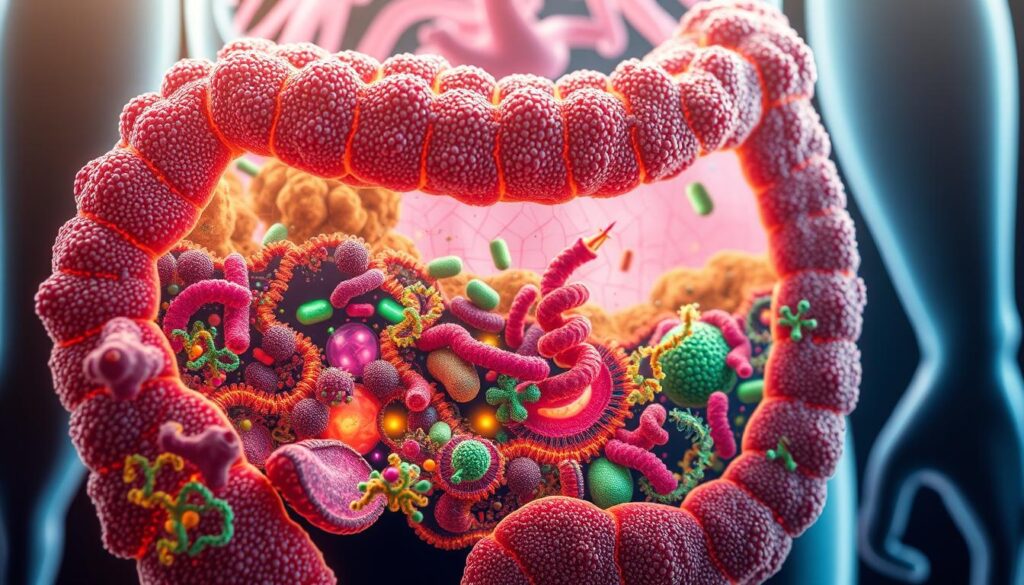
The trillions of microorganisms in our gut are essential for a healthy body. These microbes, collectively known as the gut microbiome, play a crucial role in digestion, immunity, and overall well-being. I’ve learned that maintaining a balanced microbiome is key to feeling my best.
How Beneficial Bacteria Support Overall Health
Beneficial bacteria in the gut help break down food, absorb nutrients, and protect against harmful pathogens. Research from Stanford University shows that these microbes also influence immune function. A healthy microbiome can reduce inflammation and improve energy levels.
For example, studies highlight how specific strains of bacteria produce short-chain fatty acids, which support gut lining health. This discovery made me prioritize foods that nourish these beneficial microbes. It’s fascinating how small changes can yield significant benefits.
The Connection Between Diet, Lifestyle, and Microbiota
Diet and lifestyle choices directly impact the gut microbiome. Consuming a variety of vegetables, whole grains, and fermented foods promotes microbial diversity. Staying hydrated with plenty of water also supports a healthy gut environment.
Regular exercise has been shown to enhance microbial balance. A study from the University of North Carolina found that physical activity increases the abundance of beneficial bacteria. Combining these habits with balanced meals creates a robust gut ecosystem.
| Factor | Impact on Microbiome |
|---|---|
| Water Intake | Supports digestion and nutrient absorption |
| Exercise | Increases beneficial bacteria |
| Vegetables | Promotes microbial diversity |
| Balanced Meals | Provides essential nutrients for gut health |
Maintaining a healthy microbiome is critical for long-term health. Even minor adjustments, like drinking more water or adding a serving of vegetables to your meal, can make a difference. These changes have helped me feel more energized and resilient.
The Simple 3-Day Stomach Reset Cleanse
A well-structured plan can transform your gut health in just three days. This approach focuses on simple, actionable steps to balance your gut bacteria and improve overall well-being. By following this guide, you’ll give your body the tools it needs to thrive.
Overview of the 3-Day Plan
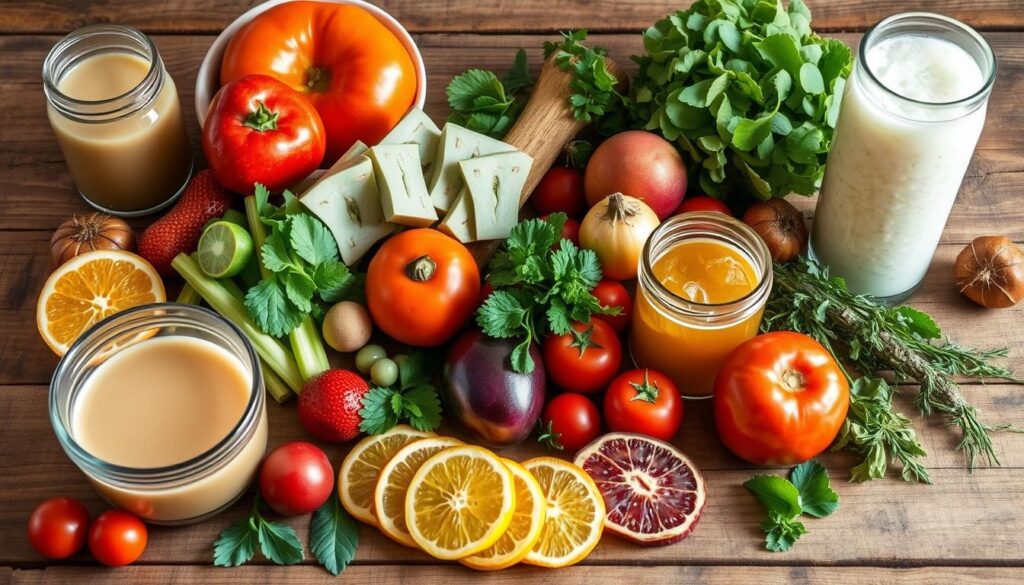
This plan is designed to be straightforward and effective. Each day includes specific meal suggestions, hydration goals, and lifestyle adjustments. For example, breakfast might include a smoothie packed with probiotics and fresh fruit, while lunch focuses on fiber-rich vegetables and lean proteins.
Consistency is key. Waking up at the same time daily and prioritizing quality sleep helps regulate your body’s internal clock. Moderate exercise, like a 20-minute walk, supports digestion and enhances the plan’s benefits.
Key Principles of a Successful Plan
To maximize results, avoid inflammatory foods like processed sugars and refined carbs. Instead, focus on nutrient-dense meals that nourish your gut bacteria. Incorporating probiotics through yogurt, kefir, or supplements can further enhance microbial balance.
Lifestyle adjustments are equally important. Staying hydrated, managing stress, and maintaining a regular sleep schedule all contribute to the plan’s success. These small changes can lead to lasting health benefits, including improved energy and digestion.
By following this structured way, you’ll kickstart a healthier gut and set the foundation for long-term wellness. It’s not just about three days—it’s about creating habits that support your body every day.
Daily Meal Planning and Nutritional Guidelines
Planning meals that support your gut health doesn’t have to be complicated. With a few practical ideas, you can create meals and snacks that boost beneficial bacteria and improve digestion. This section will guide you through the essentials of a gut-friendly diet.

Creating Gut-Healthy Meals and Snack Options
Start by incorporating a variety of whole foods into your diet. Focus on fresh vegetables, lean proteins, and whole grains. These foods provide essential nutrients that nourish your gut microbiome.
Snacks can also play a key role. Try pairing apple slices with almond butter or enjoying a handful of nuts. These options are not only delicious but also support your overall health.
Importance of Fiber, Fermented Foods, and Hydration
Fiber is crucial for maintaining a healthy gut. It feeds beneficial bacteria and promotes regular digestion. Include foods like oats, beans, and berries in your meals.
Fermented foods, such as yogurt, kefir, and sauerkraut, are rich in probiotics. These foods help balance your gut bacteria and improve digestion. Don’t forget to stay hydrated—water is essential for nutrient absorption and gut function.
Sample Meal Plan Breakdown for Each Day
Here’s a simple meal plan to get you started:
- Breakfast: Smoothie with spinach, banana, and kefir.
- Lunch: Quinoa salad with chickpeas, cucumbers, and olive oil.
- Snack: Carrot sticks with hummus.
- Dinner: Grilled salmon with steamed broccoli and brown rice.
This plan ensures you get a mix of fiber, protein, and probiotics. Over time, you’ll notice positive effects on your energy level and digestion.
By following these guidelines, you’ll not only support your gut but also enjoy side benefits like improved mood and vitality. Eating for gut health is a simple yet powerful way to enhance your overall health.
Lifestyle Factors That Enhance Gut Health
Taking care of your gut health goes beyond just what you eat—it’s about how you live. I’ve found that integrating exercise, stress reduction, and disciplined routines can significantly improve your gut microbiota and overall well-being. These habits are essential for a successful gut reset.

Research shows that physical activity and stress management play a crucial role in maintaining a healthy gut. For example, a study from the University of Illinois found that regular exercise increases the diversity of gut bacteria, which is linked to better digestion and immunity.
Integrating Exercise and Stress Reduction Techniques
Moderate exercise, like walking or yoga, can enhance your gut cleanse efforts. I aim for at least 30 minutes of activity daily. This not only supports digestion but also boosts mood and energy levels.
Stress reduction is equally important. Chronic stress can disrupt your gut microbiota, leading to digestive issues. I’ve found that practices like meditation, deep breathing, and journaling help me stay calm and focused.
“Managing stress and staying active are key ingredients for a balanced gut ecosystem.”
Here’s a simple table to help you integrate these habits into your daily routine:
| Habit | Benefit |
|---|---|
| 30-minute walk | Increases beneficial bacteria |
| Meditation | Reduces stress and supports gut health |
| Hydration | Improves digestion and nutrient absorption |
| Quality sleep | Regulates gut bacteria balance |
By combining these practices with a balanced diet, you’ll create a comprehensive gut reset plan. Small, consistent changes can lead to lasting improvements in your digestive health and overall vitality.
Transitioning to a Long-Term Gut Health Lifestyle
Maintaining a healthy gut requires more than a short-term fix—it’s about building habits that last. After completing a cleanse, the real work begins with sustaining those positive changes. I’ve found that adopting a Mediterranean-style diet and regular exercise are key to maintaining a balanced microbiota.

Sustainable Dietary Changes Beyond the Cleanse
One of the most effective ways to support long-term gut health is by reducing processed foods. I focus on whole, nutrient-dense meals that nourish beneficial bacteria. Incorporating fermented foods like yogurt and sauerkraut has been a game-changer for me.
Hydration is another critical factor. Drinking plenty of water supports digestion and helps flush out toxins. I also make it a point to include fiber-rich foods like oats and vegetables in every meal.
Practical Tips for Daily Wellness and Sleep
Quality sleep is essential for a healthy gut. I prioritize a consistent sleep schedule and create a calming bedtime routine. Research shows that poor sleep can disrupt the balance of microbiota, so this is a non-negotiable for me.
Stress management is equally important. Practices like meditation and deep breathing help me stay centered. Regular exercise, even just a 20-minute walk, supports both my mental and gut health.
“Small, consistent changes are the foundation of long-term wellness.”
Here’s a quick review of my daily habits:
- Start the day with a glass of warm lemon water.
- Include at least one serving of fermented food in my meals.
- Take a short walk after lunch to aid digestion.
- End the day with a calming tea and 7-8 hours of sleep.
By making these adjustments, I’ve seen lasting improvements in my energy and digestion. It’s not about perfection but progress. Every small change adds up to a healthier, happier you.
Conclusion
Improving your digestive system is a journey that starts with small, consistent steps. This guide has shared practical ways to support your gut health through a structured meal plan, mindful hydration, and stress management. By reducing sugar and incorporating calming habits like drinking herbal tea, you can create a healthier lifestyle.
Remember, lasting change comes from sustainable habits. Focus on nutrient-rich foods, regular exercise, and quality sleep to maintain balance. While short-term adjustments can offer immediate benefits, your system thrives with ongoing care and attention.
Take the first step today. Review this guide, adjust your habits, and listen to your body. Your journey to better gut health is unique—embrace it with patience and consistency.