
When I first learned about the role of probiotics, it was a game-changer for my understanding of wellness. These live cultures, found in foods like Greek yogurt and kefir, play a crucial part in maintaining a balanced gut. I discovered that they help control harmful microorganisms and support the body’s systems from the mouth to the gut.
Incorporating probiotic-rich food into my daily routine has made a noticeable difference. It not only improves digestion but also enhances nutrient absorption. This discovery has been a cornerstone of my personal health journey, giving me more energy and mental clarity throughout the day.
Research continues to explore the effectiveness of probiotics and their connection to the gut microbiome. What I’ve learned so far is that a healthy gut is essential for overall wellness. It’s fascinating to see how something as simple as food can have such a profound impact on the body.
Key Takeaways
- Probiotics help maintain a balanced gut and support the body’s systems.
- Foods like Greek yogurt and kefir are rich sources of live cultures.
- Incorporating probiotics improves digestion and nutrient absorption.
- A healthy gut microbiome enhances overall wellness.
- Ongoing research highlights the effectiveness of probiotics.
The Science Behind Probiotics and Gut Health
Exploring the science behind probiotics opened my eyes to their incredible role in the body. These living microorganisms, often called “good” bacteria, are found in foods and supplements. They play a key part in maintaining a balanced gut and supporting overall wellness.

What Are Probiotics?
Probiotics are live bacteria that provide benefits when consumed in adequate amounts. They help outnumber harmful species in the gut, creating a healthier environment. Specific strains like Lactobacillus and Bifidobacterium are well-researched for their positive effects.
How Probiotics Work in the Body
These beneficial bacteria survive the acidic environment of the stomach and reach the intestines. Once there, they help lower pH levels in the colon, making it harder for harmful bacteria to thrive. This process improves digestion and supports the immune system.
Recent studies show that probiotics can aid in managing conditions like Crohn’s disease and irritable bowel syndrome (IBS). Research also highlights the importance of a diverse gut microbiome for overall health. “The gut is often called the body’s second brain,” and maintaining its balance is crucial.
While the science is promising, it’s important to note that not all probiotic products are the same. Ongoing research continues to uncover new insights, guiding clinical recommendations and helping us better understand the role of bacteria in wellness.
My Journey with Probiotic Digestive Health
I first turned to probiotics after hearing about their potential to improve gut function. At the time, I was dealing with occasional discomfort and irregularity. My curiosity led me to explore how these live cultures could make a difference.

Personal Experience and Initial Impressions
Adding probiotic-rich foods like yogurt and kefir to my diet was my first step. Within weeks, I noticed a significant improvement in my digestive regularity. I felt more balanced and energized, which was a welcome change.
Before incorporating probiotics, I often struggled with bloating and occasional constipation. These challenges made me realize the importance of a healthy gut. Research supports this, showing that probiotics can help manage such conditions effectively.
“Even small dietary changes can have a big impact on your digestive well-being.”
I kept a journal to track my responses to taking probiotics. This helped me identify which foods worked best for me. I also learned that the quality of probiotic products plays a crucial role in their effectiveness.
Key Observations
| Before Probiotics | After Probiotics |
|---|---|
| Occasional constipation | Improved regularity |
| Frequent bloating | Reduced discomfort |
| Low energy levels | Increased vitality |
My experience encouraged me to dive deeper into probiotic research. I set a personal benchmark for what effective supplementation can achieve. This journey has been enlightening, and I’m excited to continue exploring the benefits of a balanced gut.
Exploring the Benefits of Probiotics on Overall Wellness
Understanding how probiotics impact overall wellness has been a transformative experience for me. These live cultures, found in foods like yogurt and kefir, offer more than just digestive support. They play a vital role in enhancing the body’s systems, from immunity to nutrient absorption.

Boosting the Immune System
One of the most significant benefits I’ve noticed is the support probiotics provide to my immune system. Research from the Cleveland Clinic highlights that these live cultures help regulate immune responses, making the body more resilient to infections. Since incorporating probiotic-rich foods into my diet, I’ve experienced fewer colds and quicker recovery times.
Clinical studies also suggest that a balanced microbiome can strengthen the body’s defenses. This aligns with my personal observations—my energy levels and overall vitality have improved significantly.
Enhancing Nutrient Absorption and Metabolism
Another key benefit is the improvement in nutrient absorption. Probiotics help break down food more efficiently, allowing the body to extract essential vitamins and minerals. This has led to better metabolism and increased energy throughout my day.
For example, after adding fermented foods like kimchi and sauerkraut to my meals, I noticed a marked difference in how my body processes nutrients. This change has been supported by peer-reviewed research, which underscores the importance of a healthy gut for optimal bodily functions.
- Probiotics regulate immune responses, reducing the frequency of infections.
- Improved nutrient absorption leads to better metabolism and energy levels.
- A balanced microbiome supports overall vitality and wellness.
- Clinical studies confirm the effectiveness of probiotics in enhancing bodily functions.
My journey with probiotics has shown me that a healthy gut is the foundation of a robust immune system and overall well-being. By combining these live cultures with a balanced diet, I’ve experienced tangible improvements in my health and energy.
Probiotics and Their Role in the Gut Microbiome
Delving into the world of probiotics revealed how essential they are for a thriving gut microbiome. These live microorganisms play a critical role in maintaining a balanced and diverse bacterial ecosystem. My journey has shown me that a healthy gut is more than just about digestion—it’s about fostering resilience and preventing disease.
Understanding the Diversity of Gut Bacteria
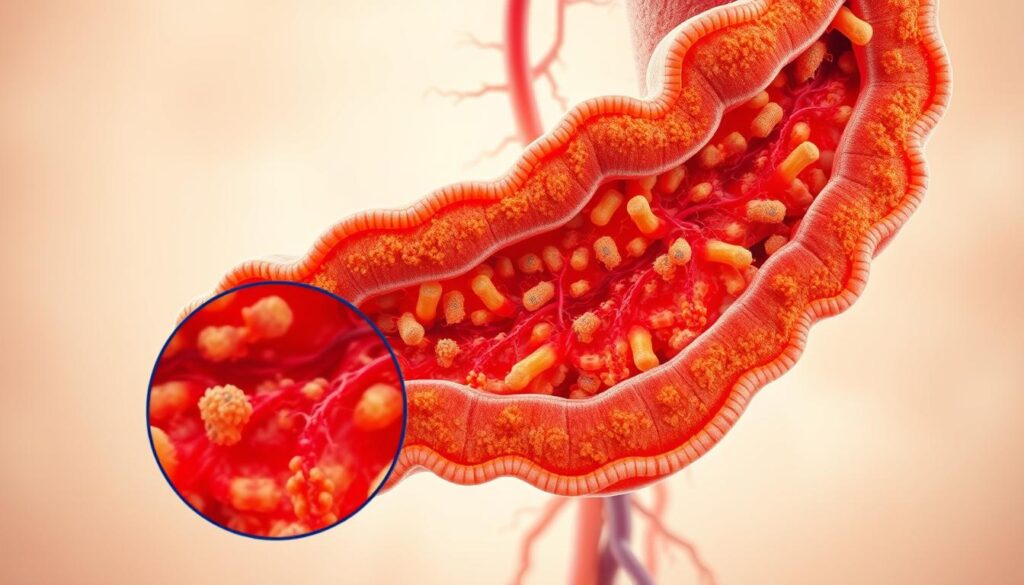
The gut microbiome is home to trillions of microorganisms, each contributing to overall function. Probiotics help establish this diversity by introducing beneficial bacteria like Lactobacillus and Bifidobacterium. These strains outnumber harmful species, creating a healthier environment.
Variations in the microbiome can affect everything from nutrient absorption to immune responses. I’ve learned that an imbalance, often caused by poor diet or stress, can lead to discomfort and even infections. Diversity is key to maintaining a robust microbial system.
Maintaining a Balanced Microbial Ecosystem
A balanced bacterial ecosystem is essential for preventing bowel-related diseases. Probiotics help lower pH levels in the colon, making it harder for harmful microorganisms to thrive. This process supports overall gut health and resilience.
In my experience, incorporating probiotic-rich foods like yogurt and kefir has made a noticeable difference. I’ve also noticed fewer infections and improved energy levels.
“A healthy microbiome is the foundation of long-term wellness.”
Modern research emphasizes the importance of specific bacterial strains in fostering this balance. Keeping track of gut bacteria diversity is now a central focus in probiotic studies. Understanding this connection has been a cornerstone of my health journey.
Choosing the Best Probiotic Products for You
Not all probiotic products are created equal, and knowing what to look for is essential. With so many options available, it’s important to evaluate quality, ingredients, and effectiveness. My journey has taught me that careful selection can make a significant difference in results.

Evaluating Quality and Label Information
When I choose a probiotic product, I start by reviewing the label. I look for details like the number of colony-forming units (CFUs) and the specific strains of bacteria. These factors determine whether the product can survive stomach acid and reach the gut effectively.
Quality certifications are another key consideration. I prefer products that have been tested for potency and purity. This ensures that the live microorganisms are active and beneficial. Transparency in labeling is a must for me, as it builds trust in the product’s effectiveness.
Comparing Supplements and Traditional Foods
I’ve found that both supplements and traditional fermented foods have their advantages. Supplements offer convenience and precise CFU counts, while foods like yogurt and kimchi provide natural sources of beneficial bacteria. Each option has its place, depending on personal preferences and health conditions.
For example, if I’m looking for a quick solution, I might opt for a high-quality supplement. But when I want to incorporate probiotics into my meals, I turn to fermented foods. Both approaches can work well, as long as the product meets my criteria for quality and effectiveness.
- Review labels for CFUs and bacterial strains to ensure effectiveness.
- Look for quality certifications to verify potency and purity.
- Compare supplements and traditional foods based on personal needs.
- Consult healthcare professionals before starting a new product.
- Read studies and research to confirm the product’s efficacy.
Ultimately, choosing the right probiotic product is a personal decision. By focusing on quality, transparency, and research, I’ve been able to find options that work best for me. This approach has helped me avoid potential problems and achieve better results.
Potential Side Effects and Safety Measures
Starting probiotics brought unexpected changes to my routine, including some minor side effects. While they are generally safe, I learned that adjusting to new bacteria in the gut can cause temporary discomfort. This experience taught me the importance of understanding potential reactions and taking safety measures.
Recognizing and Managing Common Reactions
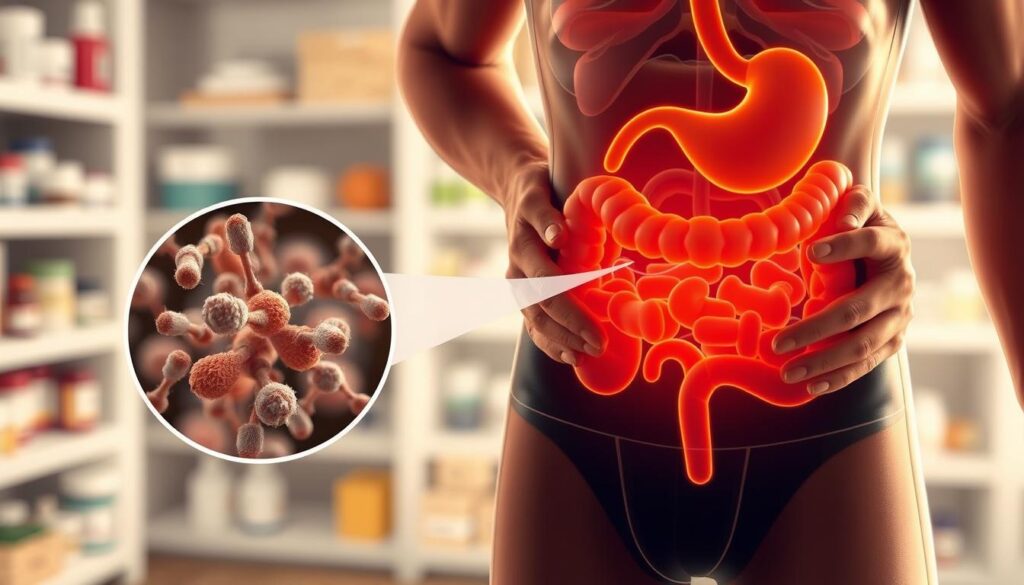
When I first began taking probiotics, I noticed mild symptoms like gas and bloating. These issues are common as the body adapts to new bacteria. Research shows that such reactions are usually short-term and can be managed by gradually increasing the dosage.
For example, I started with a smaller amount and slowly worked my way up. This approach helped minimize discomfort. It’s also important to monitor symptoms like stomach pain or diarrhea, as they could indicate a more serious problem.
Individuals with certain diseases or those on antibiotic treatment should take extra care. Probiotics may interact with underlying conditions if not managed properly. Consulting a healthcare provider is essential if symptoms persist or worsen.
Safety Tips for Probiotic Use
To ensure safe use, I followed these steps:
- Start with a low dose and increase gradually.
- Read labels for dosage instructions and strain information.
- Monitor for signs of illness or infection.
- Combine antibiotics and probiotics carefully to avoid imbalance.
By taking these precautions, I was able to minimize risks and enjoy the benefits of probiotics. Proper use is key to avoiding adverse reactions.
Normal Adjustment vs. Serious Problems
| Normal Adjustment Symptoms | Serious Problems |
|---|---|
| Mild gas or bloating | Severe stomach pain |
| Temporary diarrhea | Persistent diarrhea or vomiting |
| Slight discomfort | Signs of infection or illness |
Understanding the difference between normal adjustment and serious problems is crucial. If in doubt, always consult a healthcare professional. My journey with probiotics has taught me that careful monitoring and responsible use are essential for success.
Incorporating Probiotic Foods into My Diet
Adding fermented foods to my diet has transformed my approach to eating. These traditional options, like sauerkraut, kimchi, and kefir, are packed with beneficial bacteria that support a healthy gut. I’ve found that they not only improve digestion but also enhance overall wellness.

Traditional Fermented Foods and Their Benefits
I started with simple additions like Greek yogurt and kombucha. These foods are rich in live cultures that help balance the gut microbiome. Over time, I noticed fewer digestive issues and better bowel regularity.
Kimchi and sauerkraut became staples in my meals. They’re not only flavorful but also provide a natural source of beneficial bacteria. Research supports that these foods can strengthen the gut and improve nutrient absorption.
Tips for Transitioning to a Probiotic-Rich Diet
When I first began, I started small. Adding a spoonful of sauerkraut to my meals or a glass of kefir in the morning made the transition easier. Gradually increasing the portions helped my body adjust without discomfort.
Tracking changes in my digestion was key. I kept a journal to note improvements in bowel movements and energy levels. Consistency is crucial when incorporating these foods into your routine.
“Small, consistent changes can lead to significant health benefits.”
I also explored local sources for fresh, unpasteurized options. These often contain higher levels of live cultures compared to processed versions. Combining supplements with naturally fermented foods worked best for me.
My experience has shown that a balanced diet enriched with these foods can have a profound effect on overall health. It’s not just about digestion—it’s about feeling more energized and mentally clear.
Research Insights and Scientific Perspectives
Recent scientific breakthroughs have deepened my understanding of how live cultures impact the body. Institutions like Harvard, Mayo Clinic, and the National Institutes of Health have conducted extensive studies on their benefits. These findings have reshaped my perspective on the role of microorganisms in maintaining balance.

Key Studies on Probiotics and Gut Health
One landmark study from Harvard highlighted how specific bacteria strains improve the gut’s ecosystem. Researchers found that a balanced microbiome enhances nutrient absorption and supports the immune system. This aligns with my personal experience of feeling more energized and resilient.
Another study from the Mayo Clinic explored the effect of live cultures on conditions like irritable bowel syndrome (IBS). The results showed significant improvements in bowel regularity and reduced discomfort. These findings reinforce the importance of maintaining a healthy microbial environment.
Future Directions in Probiotic Research
Scientists are now investigating how live cultures interact with antibiotic treatments. Early findings suggest that combining the two can reduce side effects and promote recovery. This could revolutionize how we approach antibiotic use in the future.
Emerging research is also focusing on personalized recommendations. By understanding individual bacterial compositions, we can tailor treatments for specific conditions. This precision could lead to more effective strategies for managing issues like inflammation and metabolic syndrome.
“The future of probiotics lies in understanding the unique needs of each individual’s microbiome.”
I’m excited to see how these advancements will shape the field. As new studies emerge, I’ll continue to incorporate updated findings into my routine. The potential for improved treatments with fewer side effects is truly inspiring.
Conclusion
My journey with beneficial bacteria has reshaped my approach to wellness. Incorporating foods rich in live cultures has not only improved my gut balance but also reduced episodes of constipation and discomfort. Research supports that a healthy gut can lower the risk of infections and illness, making these dietary changes even more impactful.
Choosing the right products and maintaining a fiber-rich diet has been key. The synergy between beneficial bacteria and proper nutrition has optimized my system, aligning with findings from scientific studies. These studies highlight the role of specific bacteria in managing syndrome-related issues effectively.
My experience mirrors many positive outcomes documented in research. A strategic, informed approach to incorporating these foods can yield significant benefits. I encourage readers to explore reliable resources and professional advice when considering their use.
Every person’s needs are unique, but the potential benefits make further investigation worthwhile. For me, these foods have become a vital part of my daily routine, contributing to a better quality of life.