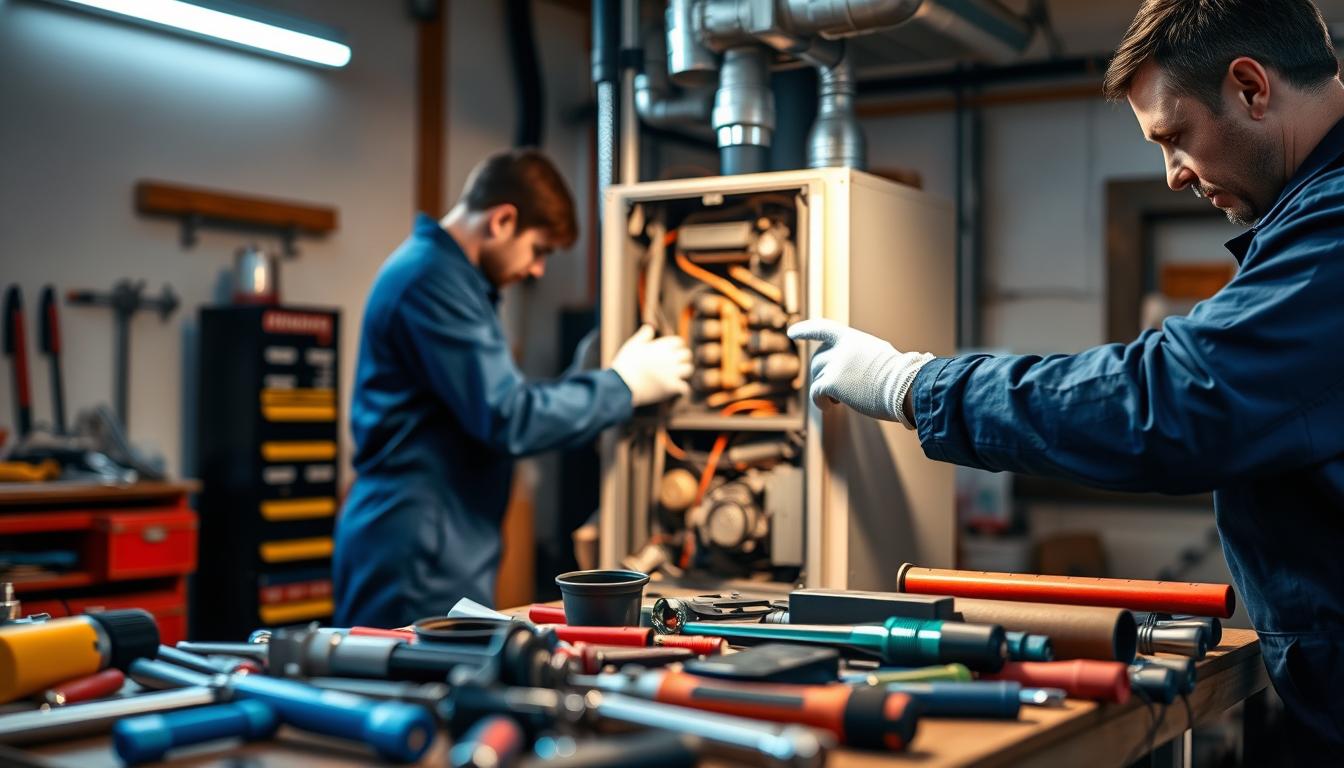
When my heating system started underperforming, I knew something had to be done. After some research, I discovered power flushing, a process that can breathe new life into your central heating. It’s a method that removes sludge, dirt, and limescale buildup, restoring your system to its optimal condition.
From my experience, the process typically takes a few hours, depending on the size of your system. The results, however, are worth it. Not only does it improve boiler efficiency, but it also reduces noise and extends the lifespan of your heating setup.
In this guide, I’ll walk you through my journey with power flushing. You’ll learn what to expect, how it works, and why professional maintenance is essential. Whether you’re dealing with a noisy boiler or uneven heating, this process can make a significant difference.
Key Takeaways
- Power flushing removes sludge, dirt, and limescale from your heating system.
- The process improves boiler efficiency and reduces noise.
- It typically takes a few hours, depending on the system size.
- Professional maintenance ensures long-term system performance.
- This guide provides step-by-step insights from personal experience.
Introduction: My Journey to Understand Power Flushing
After months of dealing with inconsistent heating, I decided to explore solutions. My aging setup was struggling, and I knew I needed a fix. That’s when I stumbled upon the concept of power flushing, a process designed to clear out sludge and debris from central heating systems.
What Is a Power Flush and Why It Matters
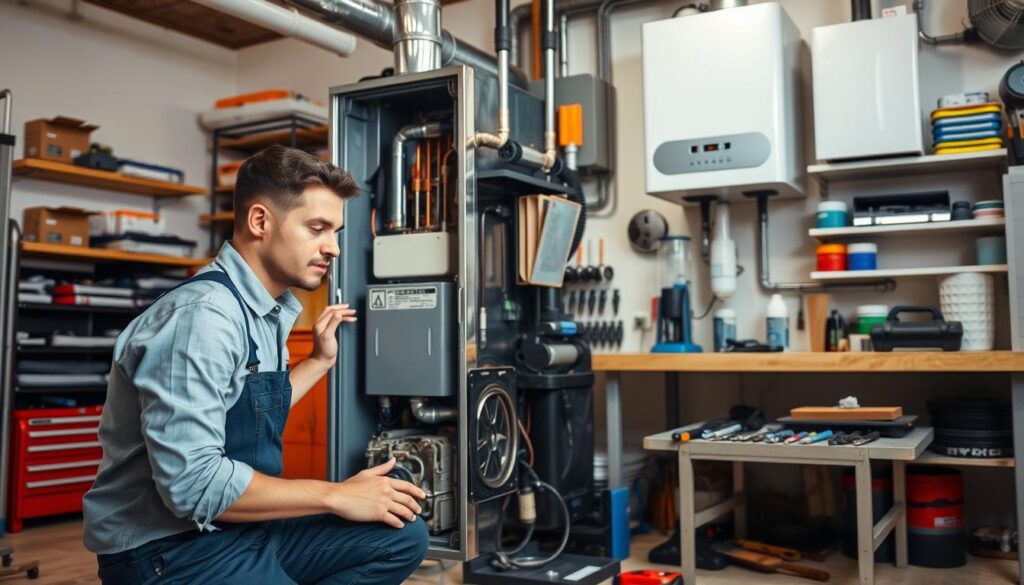
A power flush is a thorough cleaning method for your heating setup. It uses a pump, chemicals, and water flow techniques to remove built-up contaminants like sludge and limescale. This process ensures your system runs efficiently and lasts longer.
From my experience, it’s not just about cleaning. It’s about restoring your heating to its best performance. The results can be transformative, from quieter operation to more consistent warmth throughout your home.
Signs My Heating System Needed a Revival
I started noticing several red flags that signaled my system needed attention. Here are the key signs I observed:
- Cold spots on radiators, even when the heat was on.
- Discolored water when bleeding the radiators.
- Frequent need to bleed radiators to maintain heat.
- Uneven heating across different rooms.
These issues were more than just annoyances. They were clear indicators that my heating setup was clogged with debris and needed a professional solution.
| Sign | What It Means |
|---|---|
| Cold Radiators | Blockages prevent heat distribution. |
| Discolored Water | Indicates sludge buildup in the system. |
| Frequent Bleeding | Air trapped due to debris accumulation. |
| Uneven Heating | Contaminants disrupt water flow. |
Once I understood these signs, I realized how crucial it was to address the problem. The power flushing process not only resolved these issues but also improved the overall efficiency of my heating system.
Essential Power Flush Techniques to Revive Your Heating System
I was curious about how to restore my heating system’s efficiency and discovered a game-changing technique. This process involves a thorough cleaning method that removes sludge and debris, ensuring optimal performance. Here’s what I learned about the steps, safety, and costs involved.
How a Power Flush Works: A Step-by-Step Process
The first step in the process is connecting a specialized pump to the heating system. This pump circulates water and cleaning chemicals through the pipes and radiators. The water flows in both directions to dislodge and remove built-up sludge.
For heavily contaminated radiators, an agitator is used to mechanically break down stubborn debris. The entire process typically takes around 90 minutes, depending on the size of the system. Once the water runs clear, the system is flushed clean and ready for use.
Safety and Cost Considerations I Learned
Safety is a critical aspect of this process. Improper handling can lead to burst pipework, which is why it’s essential to hire qualified professionals. They have the expertise and equipment to ensure the job is done safely and effectively.
In terms of cost, a full power flush can range between £300 and £500. While this may seem like a significant expense, it’s an investment in your system’s long-term efficiency and performance. Regular maintenance can also prevent costly repairs down the line.
| Aspect | Details |
|---|---|
| Duration | Approximately 90 minutes |
| Cost | £300 – £500 |
| Safety | Requires professional handling |
| Tools | Specialized pump and agitator |
From my experience, both technical expertise and personal due diligence are key to a successful outcome. By understanding the process and working with professionals, you can revive your heating system and enjoy consistent warmth throughout your home.
Performing a Power Flush: My Personal How-To Guide
After noticing my heating setup wasn’t performing as it should, I decided to take action. I learned that preparation is key to a successful flush. Here’s how I got my system ready and maintained its efficiency afterward.
Preparing My System for a Successful Flush
Before starting, I ensured all safety measures were in place. I began by draining the radiators to remove any trapped air. This step helps the cleaning chemicals circulate effectively.
Next, I checked all valves and pipework to ensure they were secure. Loose connections can lead to leaks during the process. I also verified the system’s pressure was at the recommended level.
Adding a chemical neutralizer was another crucial step. It balances the pH level of the water, protecting the system from corrosion. Finally, I double-checked the setup to ensure everything was ready for the flush.
Tips to Maintain Efficiency and Prevent Future Issues
After the flush, I installed a magnetic filter to catch any remaining debris. This simple addition prevents sludge buildup and keeps the system running smoothly.
I also made it a habit to schedule annual boiler services. Regular maintenance ensures the system stays in top condition and avoids costly repairs.
Adding inhibitor fluid is another step I take. It protects the system from corrosion and extends its lifespan. These small actions make a big difference in maintaining efficiency.
| Step | Purpose |
|---|---|
| Drain Radiators | Remove trapped air for better chemical circulation. |
| Secure Valves | Prevent leaks during the process. |
| Add Neutralizer | Balance pH levels and prevent corrosion. |
| Install Magnetic Filter | Catch debris and prevent sludge buildup. |
From my experience, careful preparation and regular maintenance are essential. While a DIY approach might seem tempting, professional assistance ensures the job is done safely and effectively. These steps have helped me keep my heating setup running efficiently for years.
Conclusion
Through my experience with heating issues, I realized the importance of proactive maintenance. A professional power flush transformed my system, improving efficiency and reducing breakdowns. It’s a cost-effective way to extend the lifespan of your heating setup.
Regular maintenance is key. Scheduling annual services with a Gas Safe registered engineer ensures your system stays in top condition. Small steps, like installing a magnetic filter, can prevent future issues and save you money in the long run.
Investing in proper care not only keeps your home warm but also minimizes noise and repairs. If you’re facing heating problems, consider a professional evaluation. It’s a decision that pays off in comfort and peace of mind.
FAQ
What is a power flush, and why is it important?
How do I know if my heating system needs a power flush?
How does a power flush work?
Is a power flush safe for my heating system?
How much does a power flush cost?
FAQ
What is a power flush, and why is it important?
A power flush is a process that cleans your heating system by removing sludge, debris, and rust. It’s essential because it improves efficiency, extends the lifespan of your system, and ensures even heat distribution.
How do I know if my heating system needs a power flush?
Signs include cold spots on radiators, unusual noises, slow heating, or frequent boiler breakdowns. If you notice these issues, it’s likely time for a power flush.
How does a power flush work?
A specialized machine circulates cleaning chemicals through your heating system at high pressure. This process dislodges and removes built-up sludge and debris, restoring the system’s performance.
Is a power flush safe for my heating system?
Yes, when performed by a professional, a power flush is safe. It’s crucial to hire a certified technician to avoid potential damage to your system.
How much does a power flush cost?
The cost varies depending on the size of your system and its condition. On average, it ranges from 0 to
FAQ
What is a power flush, and why is it important?
A power flush is a process that cleans your heating system by removing sludge, debris, and rust. It’s essential because it improves efficiency, extends the lifespan of your system, and ensures even heat distribution.
How do I know if my heating system needs a power flush?
Signs include cold spots on radiators, unusual noises, slow heating, or frequent boiler breakdowns. If you notice these issues, it’s likely time for a power flush.
How does a power flush work?
A specialized machine circulates cleaning chemicals through your heating system at high pressure. This process dislodges and removes built-up sludge and debris, restoring the system’s performance.
Is a power flush safe for my heating system?
Yes, when performed by a professional, a power flush is safe. It’s crucial to hire a certified technician to avoid potential damage to your system.
How much does a power flush cost?
The cost varies depending on the size of your system and its condition. On average, it ranges from $500 to $1,000. Investing in a power flush can save you money on repairs and energy bills in the long run.
How do I prepare my heating system for a power flush?
Ensure all radiators are turned on and accessible. Remove any airlocks and check for leaks. It’s best to consult a professional to assess your system before starting the process.
How can I maintain my heating system after a power flush?
Regularly check for leaks, bleed radiators to remove air, and add inhibitor chemicals to prevent sludge buildup. Annual servicing by a professional also helps maintain efficiency.
,000. Investing in a power flush can save you money on repairs and energy bills in the long run.
How do I prepare my heating system for a power flush?
Ensure all radiators are turned on and accessible. Remove any airlocks and check for leaks. It’s best to consult a professional to assess your system before starting the process.
How can I maintain my heating system after a power flush?
Regularly check for leaks, bleed radiators to remove air, and add inhibitor chemicals to prevent sludge buildup. Annual servicing by a professional also helps maintain efficiency.