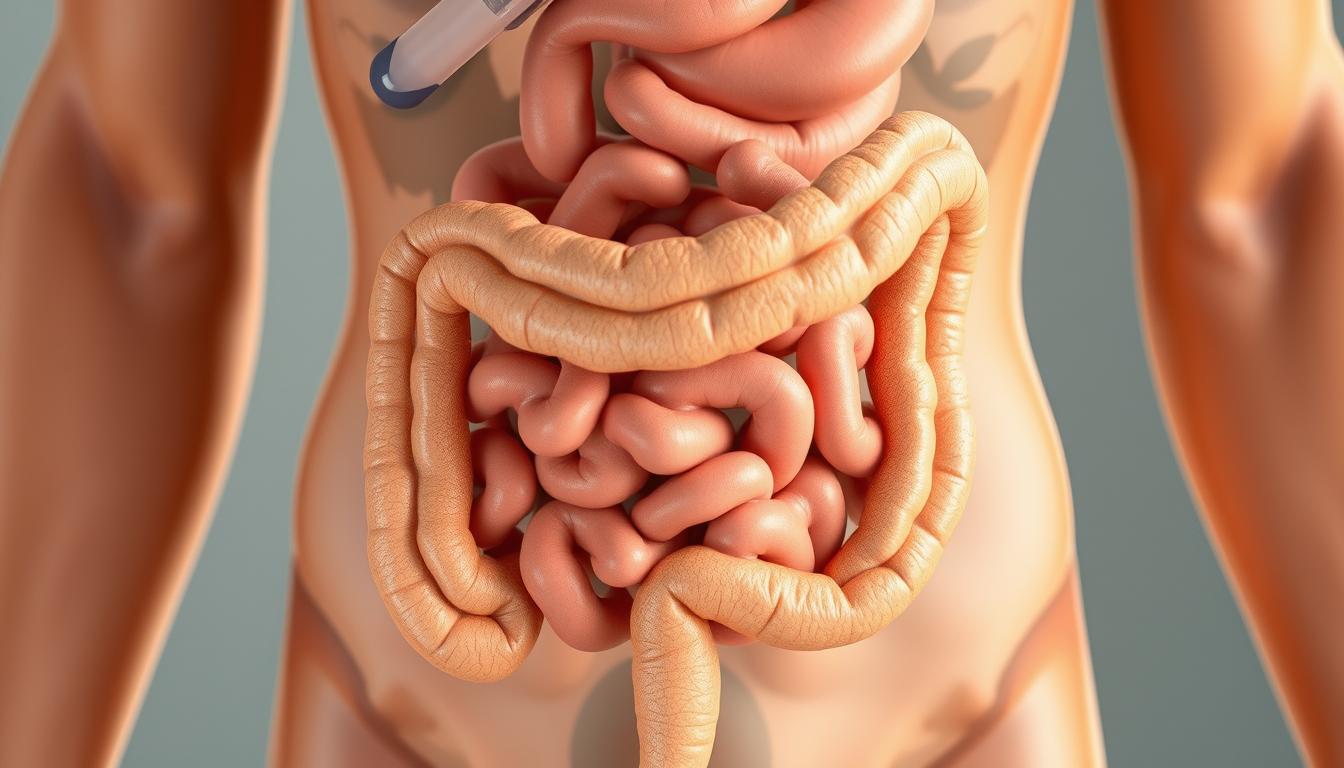
Living with celiac disease or gluten sensitivities can be challenging. The body’s reaction to gluten, a protein found in wheat, often leads to discomfort and damage to the small intestine. For many, maintaining a strict gluten-free diet is the only way to manage symptoms. However, recent advancements in research offer hope for better solutions.
Scientists are exploring the role of digestive enzymes in breaking down gluten before it harms the gut. Clinical trials, such as those involving TAK-062, show promising results in reducing exposure risks. These studies aim to provide relief for patients while offering new ways to treat celiac disease.
In this article, I’ll share insights into the latest research and how these findings can improve digestion. Whether you’re newly diagnosed or seeking better management strategies, understanding gluten’s impact is key to living a healthier life.
Key Takeaways
- Gluten can damage the small intestine in people with celiac disease.
- A gluten-free diet is essential for managing symptoms.
- Digestive enzymes may help break down gluten effectively.
- Clinical trials are testing new treatments for celiac disease.
- Research offers hope for better gluten management solutions.
Understanding Gluten and Its Impact on Digestion
Gluten, a protein found in wheat, barley, and rye, plays a significant role in food texture and structure. It’s what makes bread dough stretchy and gives baked goods their chewy texture. However, for some, this protein can cause serious health issues.

What Exactly is Gluten?
Gluten is a group of proteins that act as a binder in many foods. It’s commonly found in grains like wheat, barley, and rye. These proteins give elasticity to dough, helping it rise and maintain its shape. Without gluten, bread would be dense and crumbly.
Despite its culinary benefits, gluten can be problematic for those with celiac disease. This autoimmune condition causes the body to attack the small intestine when gluten is consumed. Even small amounts can lead to damage and uncomfortable symptoms.
Gluten and Digestive Challenges
For individuals with celiac disease or gluten sensitivity, digestion becomes a challenge. The immune system reacts to gluten, causing inflammation and damage to the intestinal lining. Symptoms can range from bloating and stomach pain to fatigue and nutrient deficiencies.
Even those on a strict gluten-free diet may face unintentional exposure. Research shows that up to two-thirds of people with celiac disease remain at risk due to hidden gluten in processed foods. This highlights the need for additional support, such as digestive enzymes, to aid in breaking down gluten.
“Understanding gluten’s impact is the first step toward managing its effects on the body.”
Clinical trials are exploring new ways to reduce exposure and improve digestion. These studies aim to provide safer options for those affected by gluten-related conditions. By understanding gluten’s role and its challenges, we can better address the needs of those with celiac disease.
| Gluten Sources | Impact on Digestion |
|---|---|
| Wheat | Triggers immune response in celiac disease |
| Barley | Can cause inflammation in the gut |
| Rye | Leads to nutrient malabsorption |
The Science Behind a Pill for Gluten
Recent scientific advancements are transforming how we approach gluten digestion. For individuals with celiac disease, breaking down gluten effectively is a key challenge. The body’s immune response to this protein can cause significant damage to the small intestine, leading to discomfort and long-term health issues.

How Digestive Enzymes Break Down Gluten
Digestive enzymes play a vital role in breaking down proteins like gluten. These enzymes work by targeting specific bonds in the protein structure, effectively breaking it into smaller, harmless fragments. For individuals with celiac disease, this process can reduce the risk of immune system activation.
Research shows that focused enzymes are more effective than multitasking ones. For example, enzymes designed to survive the acidic environment of the stomach can act on gluten before it reaches the intestine. This targeted approach minimizes the chances of gluten triggering an immune response.
Insights from Clinical Trials and Research Studies
Clinical trials, such as those involving TAK-062, provide valuable insights into enzyme effectiveness. These studies demonstrate rapid enzyme activity in acidic environments, which is crucial for breaking down gluten in the stomach. The results suggest that targeted enzymes can prevent gluten from causing damage.
Understanding this science is essential for evaluating the effectiveness of digestive enzyme supplements. Research continues to guide the development of treatments that offer hope for better management of celiac disease and gluten sensitivity.
“Targeted enzymes have the potential to transform how we manage gluten-related conditions.”
As I reflect on these advancements, I’m encouraged by the progress being made. The combination of molecular studies and clinical trials is paving the way for innovative solutions. For those living with gluten-related conditions, this research offers a brighter future.
Navigating the Market for Gluten Digestive Supplements
Navigating the world of gluten digestive supplements requires careful evaluation. With so many products claiming to aid digestion, it’s essential to understand what works and what doesn’t. I’ve spent time researching the market to identify key ingredients and evaluate their effectiveness.

Evaluating Supplement Ingredients and Claims
When looking at supplements, I focus on the ingredients. Many products contain digestive enzymes like AN-PEP or DPP-IV, which are designed to break down gluten in the stomach. However, not all enzymes are created equal. Some may not survive the acidic environment, reducing their effectiveness.
I also compare claims with clinical trial data. For example, GluteGuard has shown promise in reducing symptoms for those with celiac disease. Yet, it’s important to note that supplements are not FDA-approved drugs. This means their claims may not always be backed by rigorous testing.
Understanding FDA Regulations and Limitations
The FDA regulates supplements differently from drugs. While drugs undergo extensive testing for safety and efficacy, supplements are not held to the same standard. This can make it challenging to determine which products are truly effective.
I always check for third-party testing and certifications. These can provide additional assurance of a product’s quality. However, even with these measures, it’s crucial to consult a healthcare professional before starting any new supplement.
“Supplements can offer support, but they should never replace a gluten-free diet for those with celiac disease.”
| Ingredient | Effectiveness |
|---|---|
| AN-PEP | Breaks down gluten in the stomach |
| DPP-IV | Targets specific gluten peptides |
| Latiglutenase | Shows promise in clinical trials |
Navigating the supplement market can be overwhelming, but with the right approach, it’s possible to find products that offer real benefits. By focusing on ingredients, evaluating claims, and understanding regulations, I’ve been able to make informed choices for my health.
Factors to Consider for Celiac Disease and Gluten Sensitivity
Managing celiac disease and gluten sensitivity requires careful consideration of multiple factors. Even with a strict gluten-free diet, inadvertent exposure can occur, leading to uncomfortable symptoms and long-term health risks. Understanding these challenges is key to finding effective solutions.

Implications for Celiac Patients and Gluten-Sensitive Individuals
For individuals with celiac disease, even trace amounts of gluten can trigger an immune response. This reaction damages the small intestine, leading to symptoms like bloating, fatigue, and nutrient deficiencies. Those with gluten sensitivity may experience similar issues, though without the autoimmune component.
Research shows that up to two-thirds of patients on a gluten-free diet still face exposure risks. Hidden gluten in processed foods or cross-contamination can undermine efforts to stay symptom-free. This highlights the need for additional support, such as enzyme supplements, to aid digestion.
Balancing Benefits and Potential Risks
Digestive enzymes offer promise in breaking down gluten before it reaches the intestine. However, their effectiveness varies. Some enzymes may not fully break down gluten, leaving patients at risk. Others may cause side effects like nausea or digestive discomfort.
Clinical trials, such as those involving ZED1227, provide insights into the safety and efficacy of these treatments. While results are encouraging, they also reveal limitations. For example, enzymes may not work equally well for all individuals, emphasizing the need for personalized treatment plans.
“Personalized approaches are essential for managing celiac disease effectively.”
| Factor | Consideration |
|---|---|
| Gluten Exposure | Even small amounts can trigger symptoms |
| Enzyme Supplements | May aid digestion but vary in effectiveness |
| Personalized Plans | Tailored approaches improve outcomes |
As I evaluate treatments, I consider genetic factors and individual sensitivity. Research continues to guide the development of safer, more effective options. For those with celiac disease, this progress offers hope for better management and improved quality of life.
Choosing the Right Pill for Gluten
Finding the right supplement for gluten digestion can feel overwhelming. With so many products on the market, it’s important to focus on what works best for your needs. I’ve spent time researching and testing various options to create a personalized strategy that aligns with my health goals.

Personalizing My Supplement Strategy
When selecting a supplement, I prioritize active ingredients that specifically target gluten breakdown. Enzymes like AN-PEP and DPP-IV have shown promise in clinical trials. These enzymes work by breaking down gluten into smaller, harmless fragments before it reaches the intestine.
I also consider genetic factors and individual sensitivity. For example, some people with celiac disease may respond better to certain enzymes than others. This personalized approach ensures that I’m using a product that works for my body.
Tips Based on Ongoing Research and Trials
Recent studies, such as those involving TAK-062 and ZED1227, provide valuable insights. These trials highlight the importance of enzyme specificity and their ability to survive the acidic environment of the stomach. I use this data to evaluate product claims and ensure they align with scientific evidence.
Here’s a quick guide to what I look for when comparing supplements:
- Active ingredients that target gluten breakdown.
- Clinical trial data supporting the product’s effectiveness.
- Third-party testing or certifications for quality assurance.
“Aligning product claims with scientific evidence is essential for making informed decisions.”
Adjusting my supplement strategy over time is also important. As new research emerges, I stay updated and make changes if needed. This proactive approach helps me manage my symptoms more effectively.
| Factor | What to Look For |
|---|---|
| Ingredients | Enzymes like AN-PEP or DPP-IV |
| Clinical Data | Results from trials like TAK-062 |
| Quality Assurance | Third-party testing or certifications |
By focusing on these factors, I’ve been able to find supplements that support my gluten-free diet and improve my digestion. For anyone navigating this process, I recommend taking a similar approach to ensure the best results.
Conclusion
Throughout this article, I’ve explored how targeted approaches can improve digestion for those with celiac disease. Research highlights the role of enzymes in breaking down problematic proteins before they harm the gut. Clinical trials, like those involving TAK-062, offer promising insights into safer solutions.
While a strict gluten-free diet remains essential, supplements can provide additional support. It’s important to choose products backed by scientific evidence and third-party testing. Always consult a healthcare professional before making dietary changes.
Looking ahead, ongoing research continues to pave the way for innovative treatments. Staying informed and engaged with clinical studies ensures the best long-term outcomes. For those managing celiac disease, these advancements bring hope for a healthier future.