For years, I struggled with digestive issues like bloating, indigestion, and constipation. These problems made my day-to-day life uncomfortable and frustrating. I decided to take control of my gut health by exploring methods that didn’t rely on pharmaceuticals. Instead, I focused on what I put into my body and how my lifestyle affected my digestion.
One of the first changes I made was swapping processed food for whole, nutrient-rich options. I noticed a significant difference in how my gut felt after meals. Whole foods like vegetables, fruits, and lean proteins became staples in my diet. I also paid attention to how stress impacted my digestion. Busy days often left me feeling sluggish, so I started incorporating mindfulness practices into my routine.
This journey taught me that small, consistent changes can make a big difference. In this article, I’ll share the strategies that worked best for me and how they transformed my digestion. Whether you’re dealing with similar issues or just want to improve your gut health, these insights might help you too.
Key Takeaways
- Switching to whole foods can significantly improve gut health.
- Processed food often leads to discomfort and bloating.
- Stress and daily routines play a major role in digestion.
- Mindfulness practices can help manage stress and its effects on the body.
- Consistent dietary changes yield better results over time.
Introduction
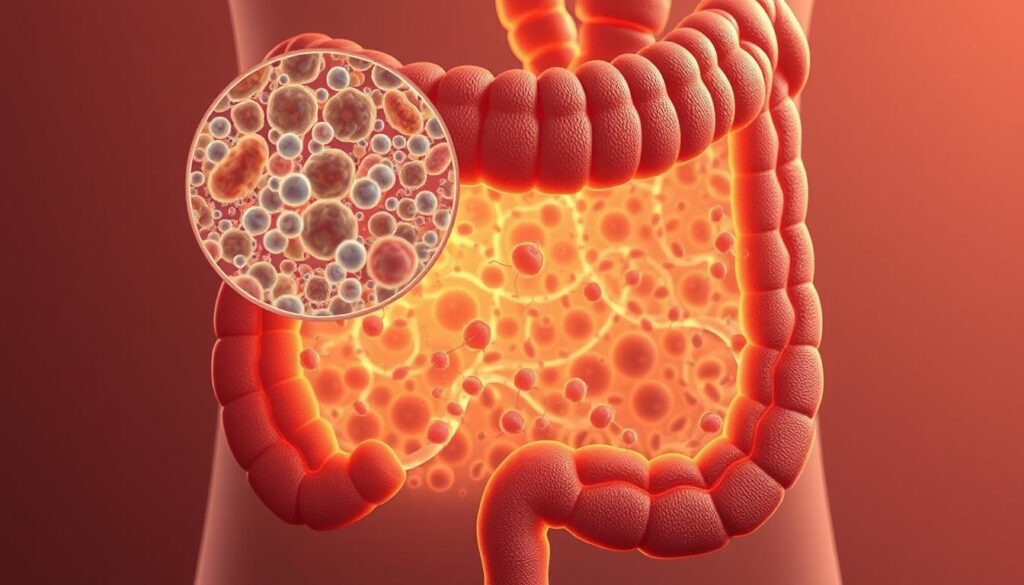
My journey to better health began with persistent discomfort after meals. I often felt bloated, sluggish, and uneasy, which made me question my lifestyle choices. It wasn’t until I started researching that I realized how much my diet and daily habits were impacting my gut microbiome.
What Inspired My Journey
I was tired of feeling unwell and decided to take control of my health. Reading about the connection between diet and the gut microbiome sparked my interest. I learned that small changes could make a big difference in how I felt every day.
“The gut microbiome plays a crucial role in overall health, influencing everything from digestion to mood.”
My Personal Gut Health Story
At first, I ignored the symptoms, thinking they were just part of life. But as they persisted, I knew I needed to act. Bloating, irregular digestion, and fatigue became my daily companions. I decided to experiment with different diets and lifestyle changes to see what worked for me.
Here’s a quick overview of the symptoms I experienced and the changes I made:
| Symptom | Action Taken |
|---|---|
| Bloating | Reduced processed foods |
| Irregular Digestion | Increased fiber intake |
| Fatigue | Improved hydration and sleep |
This journey taught me that understanding my body and making informed choices could transform my health. It’s not just about fixing symptoms but creating a lifestyle that supports my gut microbiome and overall well-being.
Embracing Diet Changes for Improved Gut Health
Switching to whole foods was a game-changer for my digestive system. I used to rely heavily on processed snacks and meals, which left me feeling bloated and sluggish. When I made the shift to nutrient-rich options, I noticed an immediate improvement in my gut health.
Whole Foods Versus Processed Foods
Processed foods are often loaded with additives, preservatives, and unhealthy fats. These ingredients can disrupt your digestive system and lead to inflammation. On the other hand, whole foods like vegetables, fruits, and lean proteins are easier for your body to process. They provide essential nutrients that support a healthy gut.
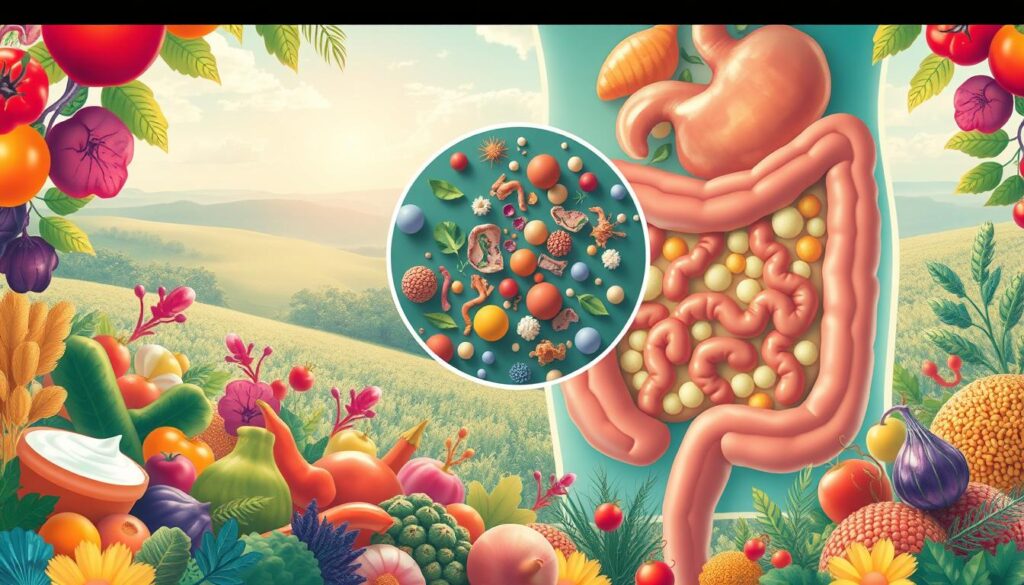
When I swapped processed snacks for fresh produce, I felt lighter and more energized. My digestion became more regular, and I no longer experienced the discomfort I once did. This change wasn’t just about eliminating bad foods—it was about embracing a healthier lifestyle.
The Power of Fiber and Whole Grains
One of the most impactful changes I made was increasing my fiber intake. Foods like oats, quinoa, and brown rice became staples in my diet. These whole grains are packed with nutrients and help regulate digestion.
Here are some high-fiber foods I incorporated:
- Leafy greens like spinach and kale
- Legumes such as lentils and chickpeas
- Fruits like apples and berries
Studies show that a diet rich in fiber can reduce inflammation and improve gut health. Over time, I noticed fewer digestive issues and a greater sense of well-being.
To make these changes sustainable, I started reading food labels carefully. Avoiding harmful additives and choosing whole, unprocessed ingredients became second nature. This simple habit has made a world of difference in my digestive health.
Staying Hydrated and Adding Healthy Fats
I never realized how much hydration could transform my digestive system until I made it a priority. Water is essential for breaking down food and absorbing nutrients, yet it’s often overlooked. When I started drinking more water throughout the day, I noticed a significant improvement in my regularity and overall comfort.
Hydration for Regular Digestion
Dehydration can lead to constipation and sluggish digestion. To combat this, I made a conscious effort to drink at least eight glasses of water daily. I also incorporated water-rich fruits and vegetables like cucumbers, watermelon, and celery into my meals. These foods not only kept me hydrated but also provided essential vitamins and minerals.

Another tip I found helpful was starting my day with a glass of warm water. This simple habit kickstarted my digestive system and set the tone for the day. Over time, I noticed fewer instances of bloating and discomfort, which made me realize how crucial hydration is for maintaining a healthy form.
Healthy Fats and Omega-3 Benefits
In addition to hydration, I began incorporating more healthy fats into my diet. Foods like avocados, nuts, and fatty fish are rich in omega-3 fatty acids, which support nutrient absorption and reduce inflammation. I started adding a handful of almonds to my morning routine and swapping out processed snacks for avocado toast.
Omega-3s also play a key role in maintaining the integrity of the gut lining, which is essential for a healthy digestive system. I noticed that my energy levels improved, and I felt more satisfied after meals. This change was a game-changer for my overall well-being.
However, I also learned to balance healthy fats with a low-sugar diet. Excess sugar can disrupt the gut microbiome and hinder nutrient absorption. By reducing sugary snacks and opting for whole, unprocessed foods, I was able to support my digestive system even further.
These small but impactful changes helped me achieve a clearer mind and a more comfortable body. Staying hydrated and adding healthy fats to my meals were simple yet effective steps toward better digestion and overall health.
Managing Stress and Eating Mindfully
Stress had always been a silent disruptor in my life, but I never realized its impact on my gut until I started paying attention. High stress levels can wreak havoc on your digestive system, leading to discomfort and irregularity. I learned that stress triggers a physiological response that disrupts normal digestion, often causing digestive problems like bloating and cramping.
How Stress Disrupts Your Gut
When you’re stressed, your body releases hormones like cortisol, which can slow down digestion. This response is part of the fight-or-flight mechanism, but it can lead to long-term issues if not managed. I also discovered that stress weakens the immune system, making it harder for your body to handle digestive problems effectively.

To combat this, I started incorporating stress-relief methods into my daily routine. Deep breathing exercises and meditation became my go-to tools. These practices not only calmed my mind but also improved my gut health over time.
Mindful Eating Techniques and Their Benefits
Mindful eating was another game-changer for me. I began eating slowly, savoring each bite, and eliminating distractions like phones or TV. This small change helped me connect with my body’s hunger and fullness cues, reducing overeating and discomfort.
Here are some mindful eating techniques I adopted:
- Chewing each bite thoroughly to aid digestion.
- Taking breaks between bites to assess hunger levels.
- Focusing on the flavors and textures of my food.
Research shows that mindfulness can improve gut response and reduce digestive issues. These techniques may help not just with digestion but also with overall well-being.
| Stress-Relief Method | Benefits |
|---|---|
| Deep Breathing | Reduces cortisol levels, calms the mind |
| Meditation | Improves focus, supports gut health |
| Mindful Eating | Enhances digestion, prevents overeating |
By managing stress and eating mindfully, I was able to transform my digestive health. These practices are simple but powerful, and they’ve made a lasting difference in my life.
natural ways to boost digestion
One day, I decided to focus on how I ate, not just what I ate, and it changed everything. I realized that small adjustments in my eating habits could make a big difference in how my body felt. By paying attention to chewing thoroughly and controlling portion sizes, I was able to reduce discomfort and improve my overall well-being.
Chewing Food Thoroughly and Portion Control
I started by slowing down and chewing each bite thoroughly. This simple way of eating helped ease the burden on my stomach and improved digestion. I also began monitoring my portion sizes, which prevented overeating and reduced bloating.
Here’s what I learned:
- Chewing food properly breaks it down, making it easier to digest.
- Smaller portions help avoid overwhelming the digestive system.
- Both practices can reduce common digestive problems like bloating and discomfort.
At first, portion control was a challenge. I was used to eating until I felt full, but I learned to listen to my body’s hunger cues instead. Over time, this became second nature.

Post-Meal Exercise to Aid Digestion
Another way I improved my digestion was by incorporating light exercise after meals. A short walk helped stimulate my digestive system and reduced feelings of heaviness. Studies show that gentle movement can speed up digestion and minimize discomfort.
Here’s how I made it work:
- Taking a 10-15 minute walk after dinner.
- Doing light stretching or yoga to encourage movement.
- Avoiding intense workouts immediately after eating.
This habit not only helped my digestion but also gave me a sense of relaxation and clarity. It’s a simple way to support your body after meals.
By focusing on how I ate and adding light exercise, I was able to tackle digestive problems effectively. These small changes are easy to implement and can make a big difference in how you feel every day.
Supporting Gut Health with Probiotics and Nutrients
I discovered that nurturing my gut health with the right foods could transform how I felt every day. By focusing on probiotics, prebiotics, and essential nutrients, I was able to support my digestive system and improve my overall well-being. These changes not only helped me feel better but also strengthened my microbiome, which plays a crucial role in preventing disease.
Benefits of Probiotic-Rich Fermented Foods
One of the first steps I took was incorporating probiotic-rich fermented food into my diet. Foods like yogurt, kimchi, and sauerkraut are packed with beneficial bacteria that help balance the gut. I noticed fewer digestive issues and a significant reduction in bloating after adding these to my meals.

Research shows that probiotics can improve gut health by restoring the balance of bacteria in the microbiome. This not only aids digestion but also strengthens the immune system, reducing the risk of disease.
Integrating Prebiotic Foods Into Your Diet
To further support my gut, I began adding prebiotic foods to my daily meals. Prebiotics, found in foods like garlic, onions, and bananas, act as fuel for the good bacteria in the gut. This helped maintain a healthy microbiome and improved my overall digestion.
Here are some prebiotic-rich foods I enjoyed:
- Garlic and onions
- Bananas and apples
- Whole grains like oats
Key Nutrients That Enhance Digestive Function
In addition to probiotics and prebiotics, I focused on key nutrients that support the digestive system. Fiber, zinc, and omega-3 fatty acids became essential parts of my diet. These nutrients not only aid digestion but also reduce inflammation and support overall health.
Here’s a breakdown of these nutrients and their benefits:
| Nutrient | Benefits |
|---|---|
| Fiber | Promotes regularity, feeds good bacteria |
| Zinc | Supports gut lining, reduces inflammation |
| Omega-3s | Improves nutrient absorption, supports microbiome |
By focusing on these nutrients, I was able to create a diet that not only improved my digestion but also supported my overall health. Nurturing the microbiome is essential for preventing various conditions and maintaining a healthy digestive system.
Conclusion
After years of dealing with discomfort, I finally found relief by focusing on my digestive health. By addressing common bowel issues like constipation, gas, and diarrhea, I was able to transform how my body felt daily. Small changes, such as incorporating fiber-rich foods and managing stress, made a significant difference in my digestive tract function.
Research played a key role in guiding my decisions. Reliable sources helped me understand how diet and lifestyle impact the digestive tract. These insights allowed me to ease pain and improve my overall well-being.
If you’re struggling with similar issues, I encourage you to experiment with these methods. Start with small, manageable changes and see how your body responds. Remember, credible research is your best ally in making informed health decisions.
This journey taught me that even minor adjustments can lead to significant improvements. By prioritizing my digestive tract health, I’ve gained a sense of comfort and clarity that I didn’t think was possible.