
When I started my journey to improve my gut health, I didn’t realize how much it would transform my life. The trillions of bacteria in our digestive system play a huge role in how we feel every day. From digestion to immunity, a healthy gut is the foundation of overall health.
Research shows that our gut affects everything from nutrient absorption to mental well-being. It even helps reduce the risk of diseases like obesity and diabetes. That’s why I decided to share my tips—to help others feel their best too.
Simple changes, like adding more fiber-rich foods or reducing sugar, can make a big difference. Studies from institutions like UNC and Stanford highlight how quickly diet and lifestyle can improve gut diversity. This guide combines science-backed advice with my personal experience to help you take actionable steps toward a healthier gut.
Key Takeaways
- The gut plays a critical role in digestion, immunity, and overall health.
- Diet and lifestyle changes can quickly improve gut diversity.
- A healthy gut reduces the risk of diseases like obesity and diabetes.
- Fiber-rich foods and probiotics are essential for gut health.
- Research from trusted institutions supports these findings.
Introduction: Embracing a Healthier Gut
My journey into understanding gut health began with a simple question: Why do I feel so sluggish all the time? I was tired, bloated, and constantly battling minor illnesses. It wasn’t until I started researching that I realized the trillions of bacteria in my gut might be the key to my problems.
My Motivation for Focusing on Gut Health
I’ve always been passionate about health, but it wasn’t until I hit a low point that I truly understood the importance of a healthy gut. A study from Stanford University showed how gut bacteria influence everything from energy levels to mental clarity. This was a turning point for me.
I began experimenting with my diet, cutting back on sugar and adding more fiber-rich foods like vegetables and fruits. The results were astounding. Within weeks, I felt more energetic and less bloated. This personal experience fueled my desire to learn more about the gut’s role in overall health.
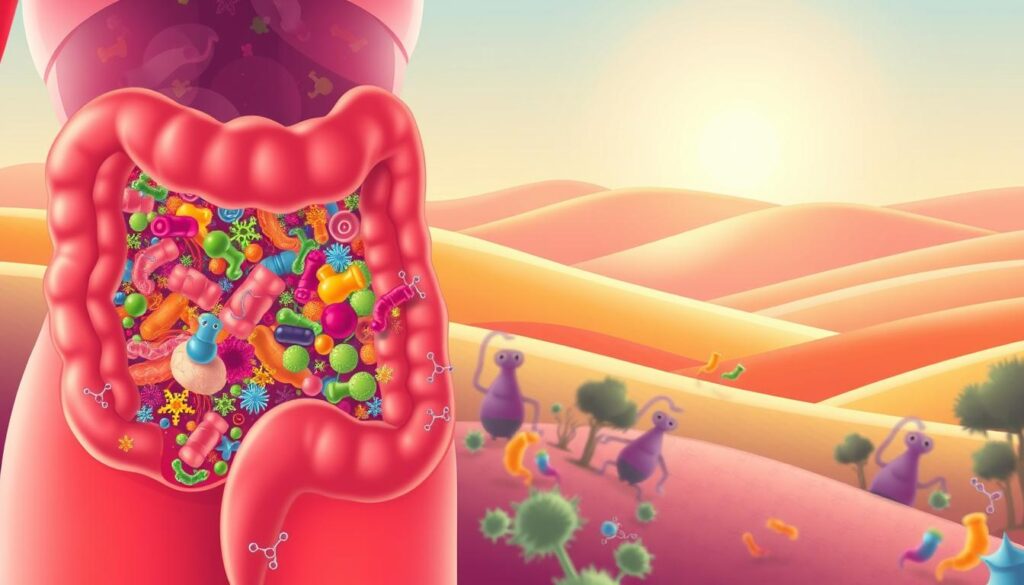
The Critical Connection Between Gut Microbes and Overall Health
Research from Memorial Sloan Kettering (MSK) highlights how gut microbes play a vital role in our immune system. A balanced gut can reduce inflammation and lower the risk of diseases like diabetes and obesity. This connection is backed by numerous studies, making it clear that gut health is more than just digestion.
Here’s a quick look at how lifestyle choices impact gut bacteria:
| Lifestyle Factor | Impact on Gut Bacteria |
|---|---|
| High Sugar Diet | Reduces bacterial diversity |
| Fiber-Rich Foods | Promotes healthy bacteria growth |
| Regular Sleep | Supports gut-brain axis |
“The gut is often called the ‘second brain’ because of its profound impact on our overall health.”
Even small changes, like swapping processed snacks for fresh fruit, can make a big difference. My journey taught me that a healthy gut isn’t just about avoiding discomfort—it’s about thriving every day.
Understanding Your Gut Microbiome
Exploring the world of gut health opened my eyes to its profound impact on overall well-being. The gut microbiome, a complex community of microorganisms in our intestines, plays a vital role in digestion, immunity, and even mental health. It’s fascinating how these tiny organisms influence so much of our daily lives.
What is the Microbiome and Why It Matters
The microbiome refers to the genetic material of all the microbes in our gut. It’s different from microbiota, which are the actual microorganisms themselves. Together, they form a dynamic ecosystem that supports our body’s functions.
Research from Memorial Sloan Kettering (MSK) describes the intestinal microbiota as a “forgotten organ.” This highlights its importance in maintaining health and preventing disease. A balanced microbiome helps digest food, produce vitamins, and protect against harmful pathogens.
The Role of Gut Bacteria in Immune and Digestive Functions
Beneficial bacteria in the gut are essential for a strong immune system. They help regulate inflammation and fight off infections. A diverse microbial population ensures that harmful species don’t overgrow, which can lead to conditions like irritable bowel syndrome (IBS) or even more serious diseases.
Studies show that diet plays a significant role in shaping the microbiome. For example, a high-fiber diet promotes the growth of healthy bacteria, while excessive sugar can reduce microbial diversity. Here’s a quick overview of how lifestyle choices impact gut bacteria:
| Lifestyle Factor | Impact on Gut Bacteria |
|---|---|
| High-Fiber Diet | Boosts beneficial bacteria |
| Excessive Sugar | Reduces microbial diversity |
| Probiotics | Supports healthy gut flora |
| Antibiotics | Can disrupt bacterial balance |
A well-balanced gut microbiome is key to preventing diseases and maintaining overall health. In the next sections, I’ll share practical steps to nurture your gut and enhance its diversity.
My Personal Journey with Gut Health
It all started with persistent fatigue and bloating that made me rethink my lifestyle. I knew something was off, but I didn’t realize how much my gut health was affecting my overall well-being. After consulting a doctor and diving into research, I discovered the profound connection between my digestive system and energy levels.

Lessons Learned from Improving My Gut Microbiota
My first step was to overhaul my diet. I cut back on processed sugar and added more fiber-rich foods like vegetables, fruits, and whole grains. Within weeks, I noticed a significant reduction in bloating and an increase in energy. This change was backed by studies showing how fiber promotes healthy bacteria growth in the gut.
I also prioritized regular exercise and better sleep. Research from Stanford University highlights how these habits support the gut-brain axis, improving both digestion and mental clarity. These small adjustments made a big difference in my daily life.
One of the biggest challenges was staying consistent. There were days when I slipped back into old habits, but I learned to view setbacks as opportunities to grow. I also discovered the importance of probiotics and fermented foods, which helped restore balance in my gut.
Here’s a quick summary of the key changes I made:
- Reduced sugar and processed foods.
- Increased fiber intake with plant-based meals.
- Added probiotics like yogurt and kimchi.
- Prioritized 7-8 hours of sleep nightly.
- Engaged in regular physical activity.
These steps not only improved my gut health but also strengthened my immune system. I feel more vibrant and resilient than ever before. My journey taught me that even small, consistent changes can lead to transformative results.
How to Execute Microbiome Repair in Your Daily Life
Taking control of my gut health was a game-changer for my overall well-being. I realized that small, consistent actions could make a big difference. Here’s a step-by-step guide to help you improve your digestive system and feel your best every day.

Step-by-Step Guide Based on Scientific Research
Start by adjusting your diet. Studies show that eating more fiber-rich foods like vegetables, fruits, and whole grains boosts healthy bacteria in the gut. Avoid excessive sugar, which can harm microbial diversity.
Incorporate probiotics like yogurt, kefir, or fermented foods. These support a balanced gut and strengthen your immune system. Prebiotics, found in foods like garlic and onions, also feed beneficial bacteria.
Limit antibiotic use unless absolutely necessary. Antibiotics can disrupt gut balance, so always consult your doctor before taking them.
Integrating Dietary and Lifestyle Shifts
Choose the Mediterranean diet over the Western diet. It’s rich in plant-based foods, healthy fats, and lean proteins, which promote a healthy gut.
Exercise regularly. Physical activity improves digestion and supports the gut-brain axis. Aim for at least 30 minutes of moderate exercise most days.
Prioritize sleep. Research shows that 7-8 hours of quality sleep helps maintain gut balance and overall health.
Stay consistent. Small changes, like swapping processed snacks for fresh fruit, can lead to lasting improvements. Experiment and customize these steps to fit your lifestyle.
“A healthy gut is the foundation of a vibrant life. Consistency is key to seeing results.”
By following these steps, you can nurture your gut and enjoy better digestion, energy, and immunity. Start today and take the first step toward a healthier you.
Daily Strategies for a Healthier Digestive System
Improving my daily habits became a turning point for my digestive health. I discovered that small, consistent changes could significantly enhance my gut function without drastic measures. Here’s how I integrated simple routines into my life to support a healthier digestive system.

Using Day-to-Day Routines to Enhance Gut Function
One of the most effective strategies I adopted was aligning my daily routines with my body’s natural circadian rhythms. Eating meals at regular times and maintaining a consistent sleep schedule helped regulate my digestive system. Studies show that this approach supports gut health by promoting microbial balance.
Physical activity also played a key role. Even a short walk after meals improved my digestion and boosted my energy levels. Research links routine exercise to increased microbial diversity, which is essential for a healthy gut.
Stress management was another game-changer. Simple practices like deep breathing or mindfulness exercises reduced my stress levels, which in turn benefited my digestive health. Consistency in these habits built long-term resilience for my gut.
“Small, daily actions can create a ripple effect, leading to lasting improvements in gut health.”
Here are some actionable tips I followed:
- Set regular meal times to support digestion.
- Incorporate light exercise, like walking or yoga, into your daily routine.
- Prioritize 7-8 hours of quality sleep each night.
- Practice stress-reducing techniques like meditation or journaling.
By making these changes, I noticed a significant improvement in my gut health. These strategies are easy to implement and can make a big difference over time. Start small, stay consistent, and watch your digestive system thrive.
Nutrition Tips for a Resilient Gut
Focusing on nutrition became my secret to better gut health. I discovered that what I ate directly influenced how I felt. By making simple yet impactful changes to my diet, I transformed my digestive system and overall well-being.

Embracing Whole Foods and Plant-Based Diets
Switching to whole foods was a game-changer. I replaced processed snacks with fresh fruits, vegetables, and whole grains. These nutrient-rich choices not only improved my digestion but also boosted my energy levels.
Research shows that plant-based diets promote the growth of beneficial bacteria in the gut. Foods like leafy greens, berries, and nuts are packed with fiber and polyphenols, which nurture a healthy gut environment.
Comparing Western and Mediterranean Diet Principles
The Western diet, high in processed foods and sugar, can harm gut health. In contrast, the Mediterranean diet emphasizes whole, unprocessed ingredients. It’s rich in plant-based foods, healthy fats, and lean proteins, which support a balanced gut.
Here’s a quick comparison of the two diets:
- Western Diet: High in sugar, processed meats, and refined carbs. Reduces microbial diversity.
- Mediterranean Diet: Focuses on vegetables, fruits, whole grains, and olive oil. Promotes healthy bacteria growth.
“A diet rich in whole foods and fiber is the foundation of a resilient gut.”
To transition to a healthier diet, start small. Swap sugary snacks for fresh fruit or add more vegetables to your meals. Over time, these changes will nurture your gut and improve your overall health.
The Benefits of Probiotics, Prebiotics, and Fermented Foods
Understanding the role of probiotics and prebiotics was a turning point in my gut health journey. These components play a vital role in maintaining a balanced gut and supporting overall health. Probiotics are live beneficial bacteria, while prebiotics are non-digestible fibers that feed these bacteria. Together, they create a thriving environment for a diverse gut.

Examples of Foods That Support Gut Diversity
Fermented foods are a natural source of probiotics and can significantly enhance gut diversity. I’ve personally experienced the benefits of adding kombucha, kefir, and kimchi to my diet. These foods not only improve digestion but also strengthen the immune system.
Here’s a breakdown of some fermented foods and their benefits:
| Food | Benefits |
|---|---|
| Kombucha | Rich in probiotics, supports gut flora |
| Kefir | Contains diverse bacteria strains, aids digestion |
| Kimchi | High in fiber and probiotics, reduces inflammation |
Research shows that consuming these foods can reduce inflammation and promote a healthy gut. For example, a study highlighted how kimchi’s probiotics help balance gut bacteria and improve digestion.
“Fermented foods are a simple yet powerful way to nurture your gut and boost overall health.”
When choosing fermented foods, opt for low-sugar options to maximize their benefits. I’ve found that incorporating these foods into meals, like adding kimchi to salads or drinking kefir as a snack, makes it easy to maintain a healthy gut. Small changes like these can lead to significant improvements in your digestive health.
Integrating Exercise and Rest for Optimal Gut Function
Balancing exercise and rest became a cornerstone of my gut health journey. I discovered that these two elements work together to create a thriving environment for my digestive system. Research shows that regular physical activity and quality sleep are essential for maintaining a balanced microbiome.
How Regular Workouts and Proper Sleep Contribute to Gut Health
Exercise isn’t just about staying fit—it’s a powerful tool for gut health. Studies have found that regular workouts reduce stress hormones like cortisol, which can negatively affect gut bacteria. When I started incorporating daily walks and yoga into my routine, I noticed fewer digestive issues and more energy.
Sleep is equally important. Our circadian rhythm regulates many bodily functions, including digestion. A consistent sleep schedule helps maintain microbial balance in the gut. I made it a priority to get 7-8 hours of quality sleep each night, and the results were remarkable.
Here are some personal tips I’ve found effective:
- Schedule workouts in the morning or early afternoon to avoid disrupting sleep.
- Establish a consistent bedtime routine to signal your body it’s time to rest.
- Combine light exercise, like stretching or walking, with mindfulness practices to reduce stress.
“Exercise and sleep are the pillars of a healthy gut. Consistency in both leads to lasting benefits.”
Research also highlights the rapid reversion of microbiome changes when exercise is discontinued. This underscores the importance of maintaining an active lifestyle. Physical fitness not only improves digestion but also strengthens the immune system, creating a ripple effect of benefits.
By integrating these habits into my daily life, I’ve seen a significant improvement in my gut health. Start small, stay consistent, and watch your digestive system thrive.
Lifestyle Adjustments to Combat Inflammation and Stress
Chronic stress and exposure to harmful chemicals were silently affecting my gut health until I made conscious changes. Research shows that both stress and toxins can disrupt the balance of the microbiome, leading to inflammation and other health issues. By addressing these factors, I was able to improve my digestion and overall well-being.

Managing Stress and Avoiding Harmful Chemicals
Stress management became a key part of my routine. I started practicing mindfulness and relaxation exercises, which not only reduced my stress levels but also benefited my gut. Studies have linked chronic stress to gut dysbiosis, so finding ways to relax is essential.
I also focused on reducing exposure to harmful chemicals. Many household products contain toxins that can negatively impact the microbiome. I switched to natural alternatives, like vinegar and baking soda, for cleaning. This small change made a big difference in my health.
Personal Tips on Reducing Inflammation and Supporting Immunity
Inflammation is a common issue that can affect the gut and immune system. To combat this, I incorporated anti-inflammatory foods like turmeric, ginger, and leafy greens into my diet. These foods helped reduce inflammation and supported my overall health.
Here are some strategies I’ve found effective:
- Practice mindfulness or meditation daily to manage stress.
- Use natural cleaning products to avoid harmful chemicals.
- Include anti-inflammatory foods in your meals.
- Stay hydrated to support digestion and detoxification.
“Small, consistent changes in lifestyle can lead to significant improvements in gut health and overall well-being.”
By making these adjustments, I’ve noticed a positive impact on my gut health. Reducing stress and avoiding toxins are simple yet powerful ways to support a balanced microbiome. Start with one change at a time, and gradually build habits that nurture your gut and enhance your quality of life.
Insights from Recent Microbiome Research
Recent breakthroughs in gut health research have reshaped my understanding of the microbiome. Studies from institutions like Memorial Sloan Kettering (MSK) highlight how this complex ecosystem influences everything from immunity to disease prevention. These findings validate the practical advice shared earlier in this guide.
Key Takeaways from Studies and Expert Opinions
Experts emphasize the importance of microbial diversity for a healthy gut. A balanced microbiome supports digestion, reduces inflammation, and strengthens the immune system. Research shows that lifestyle choices, like diet and exercise, play a significant role in maintaining this balance.
Emerging studies are shaping new approaches to disease prevention. For example, scientists are exploring how the microbiome trains the immune system to fight infections. This connection underscores the importance of nurturing gut health through diet and lifestyle.
How Research is Influencing Clinical Practices
Clinical practices are evolving with these insights. Fecal transplants, for instance, are being used to restore gut balance in patients with severe conditions. Antibiotic stewardship is also gaining attention, as overuse can disrupt the microbiome.
Personalized microbiome therapies are another exciting development. Researchers are working on tailored treatments based on an individual’s unique microbial profile. This could revolutionize how we approach health and wellness.
“The future of medicine lies in understanding the microbiome. It’s not just about treating symptoms—it’s about addressing the root cause.”
My Personal Approach Inspired by Research
These insights have deeply influenced my approach to gut health. I’ve become more mindful of my diet, incorporating fiber-rich foods and probiotics. I’ve also prioritized stress management and regular exercise, knowing their impact on the microbiome.
Here are some actionable tips inspired by recent research:
- Focus on a diverse, plant-based diet to support microbial balance.
- Limit antibiotic use unless absolutely necessary.
- Stay informed about emerging microbiome therapies.
- Experiment with fermented foods to boost gut diversity.
By staying informed and applying these findings, you can take proactive steps toward better health. The microbiome is a powerful ally—nurture it, and it will nurture you.
Conclusion
Taking the first step toward better gut health was one of the most rewarding decisions I’ve made. By focusing on simple, consistent changes, I transformed not just my digestion but my overall well-being. A balanced microbiome is the foundation of a healthier, more vibrant life.
From adding fiber-rich foods to prioritizing sleep and exercise, the steps I’ve shared are backed by science and personal experience. These changes don’t have to be overwhelming—start small and build from there. Remember, progress is gradual, and every positive choice adds up.
I encourage you to take control of your gut health today. Use this guide as your roadmap, and don’t hesitate to explore further resources. Your journey to a healthier you begins with one step. Thank you for joining me on this path—here’s to thriving every day!