
The gut microbiome is a complex community of trillions of microorganisms living in your digestive system. These tiny organisms play a crucial role in digestion, immunity, and even mental health. When they work together in harmony, they help keep your body functioning at its best.
Maintaining a balanced microbiome is essential for overall well-being. Beneficial bacteria support digestion, protect against harmful pathogens, and even produce essential nutrients. However, an imbalance can lead to issues like bloating, fatigue, and weakened immunity.
Understanding how your gut functions is the first step toward improving its health. This guide will provide practical tips to help you achieve a balanced microbiome and enhance your overall wellness. Let’s dive in!
Key Takeaways
- The gut microbiome is vital for digestion, immunity, and mental health.
- Beneficial bacteria support a balanced microbiome.
- An imbalance can cause health issues like bloating and fatigue.
- Understanding gut function is key to improving its health.
- This guide offers actionable tips for better gut balance.
Understanding the Gut Microbiome
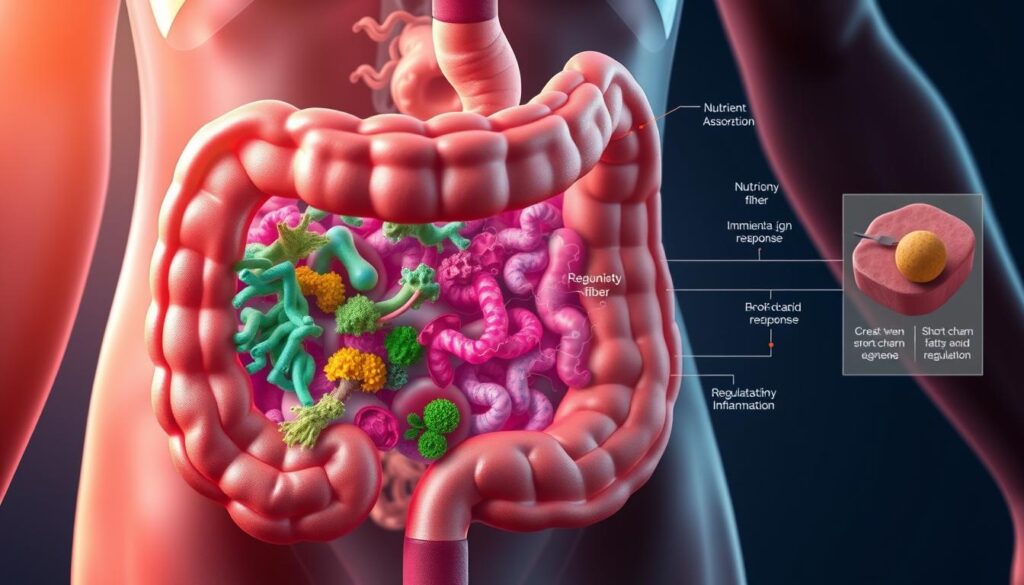
Your digestive system hosts a complex network of microorganisms that influence your health. These tiny organisms, including bacteria, fungi, and viruses, form a community that acts like an extra organ. They play a critical role in digestion, immunity, and even mental health.
What is the Gut Microbiome?
The gut microbiome refers to the trillions of microorganisms living in your digestive tract. This community is incredibly diverse, with each microorganism contributing to your overall health. Research shows that a healthy microbiome is essential for maintaining bodily functions and preventing disease.
A varied diet is one of the best ways to support this diversity. Eating a range of whole foods helps nourish different types of bacteria, promoting a balanced ecosystem. Studies suggest that processed foods can harm this balance, leading to potential health issues.
Key Functions of Gut Bacteria
Gut bacteria are not just passive residents; they actively support your body. They help break down food, extract nutrients, and produce essential vitamins like B12 and K. Additionally, they play a crucial role in strengthening your immune system.
An imbalance in these microorganisms, often caused by poor diet or antibiotics, can lead to conditions like irritable bowel syndrome (IBS) or inflammatory bowel disease (IBD). Maintaining a healthy microbiome is key to preventing these issues.
“The gut microbiome is like a hidden organ, silently working to keep your body in harmony.”
By understanding how these microorganisms function, you can make informed choices about your diet and lifestyle. Small changes, like incorporating more fiber-rich foods, can have a big impact on your gut health.
What is Dysbiosis and Its Impact on Health
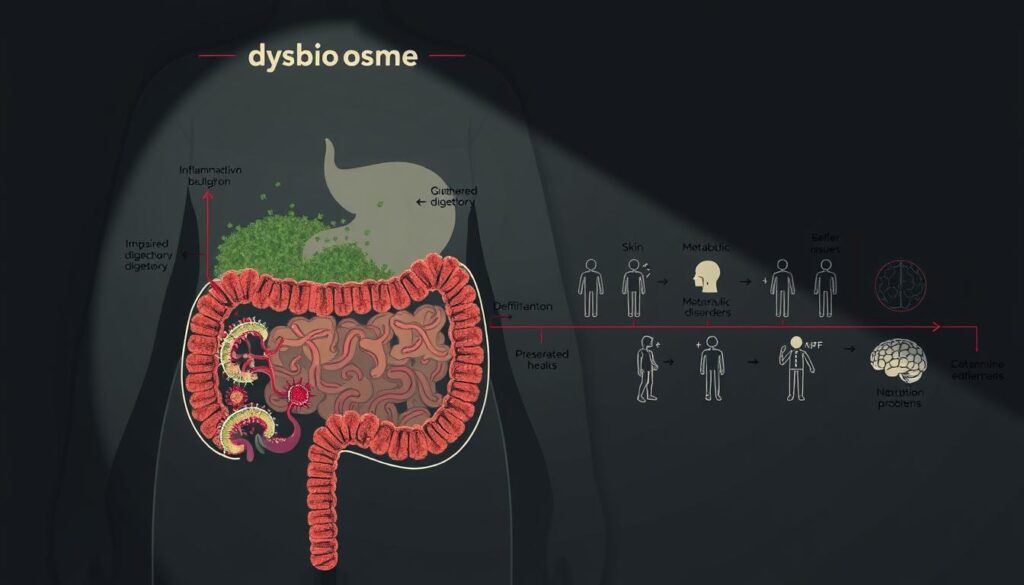
Dysbiosis occurs when harmful bacteria outnumber beneficial ones, disrupting health. This imbalance can affect digestion, immunity, and overall well-being. Understanding its causes and effects is crucial for maintaining a healthy lifestyle.
Recognizing Gut Imbalances
Common signs of dysbiosis include bloating, gas, and irregular bowel movements. You might also experience fatigue, skin issues, or frequent infections. These symptoms indicate that your digestive system is not functioning optimally.
Early recognition is key to addressing the problem. Ignoring these signs can lead to more severe health issues. Paying attention to your body’s signals helps you take corrective measures before the condition worsens.
Health Risks Associated with Dysbiosis
Dysbiosis can lead to inflammatory conditions like irritable bowel syndrome (IBS) or Crohn’s disease. In severe cases, it has been linked to an increased risk of cancer. The loss of beneficial bacteria and overgrowth of harmful ones create an environment that weakens your immune system.
Here’s a breakdown of the potential risks:
| Condition | Effect |
|---|---|
| Inflammatory Bowel Disease (IBD) | Chronic inflammation of the digestive tract |
| Irritable Bowel Syndrome (IBS) | Abdominal pain and irregular bowel habits |
| Colorectal Cancer | Increased risk due to prolonged inflammation |
Taking steps to restore balance is essential. Simple changes in diet and lifestyle can make a significant difference. Addressing dysbiosis early can help prevent long-term health complications.
Environmental and Dietary Factors Affecting Your Gut
External factors shape the environment of your digestive system, much like a garden. Just as sunlight, water, and soil quality determine a plant’s growth, your diet and surroundings influence the microorganisms in your body. Understanding these factors helps you make choices that support a thriving internal ecosystem.
Dietary Influences on Microbial Diversity
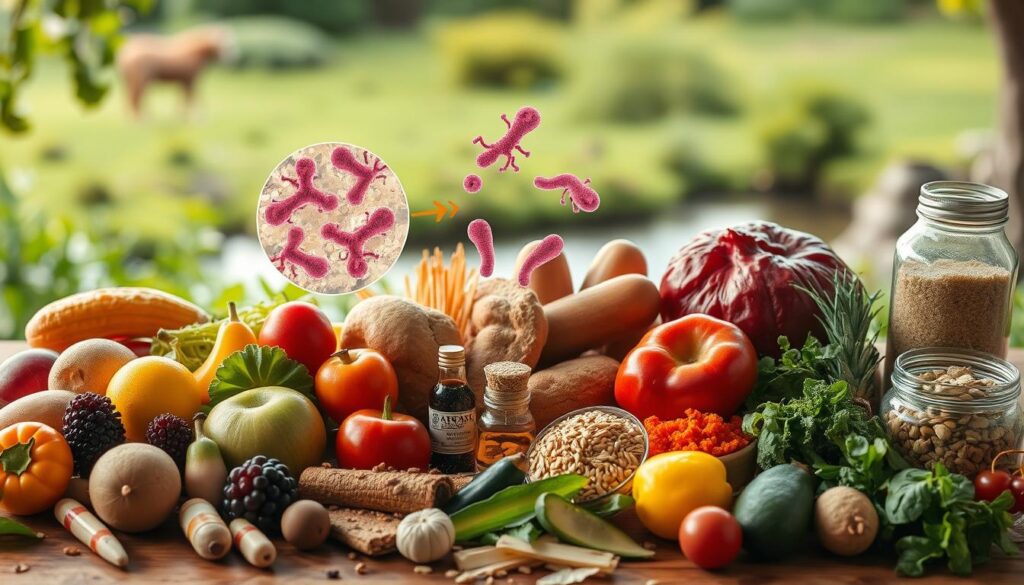
What you eat directly impacts the diversity of microorganisms in your digestive system. A varied diet rich in whole foods, like fruits, vegetables, and whole grains, nourishes different types of beneficial bacteria. On the other hand, processed foods and sugars can reduce this diversity, leading to an imbalance.
For example, fiber-rich foods act as fuel for good bacteria, helping them thrive. Fermented foods, like yogurt and kimchi, introduce new strains of beneficial microorganisms. By choosing the right type of food, you can create an environment that supports a healthy internal ecosystem.
Chemical Exposures and Medications
Chemicals in your environment, including pollutants and medications, can also alter your digestive health. Antibiotics, while necessary at times, can disrupt the balance of beneficial bacteria. Even short-term exposure to certain chemicals can have a lasting impact.
Here’s a breakdown of common chemical exposures and their effects:
| Exposure | Effect |
|---|---|
| Antibiotics | Reduce beneficial bacteria, leading to imbalance |
| Pollutants | Can harm microbial diversity and function |
| Processed Foods | Promote harmful bacteria over beneficial ones |
Being mindful of these exposures helps you protect your body’s internal environment. Small changes, like reducing processed foods and avoiding unnecessary medications, can make a big difference.
Simple Tips for Maintaining Gut Microbiome Balance
Small, consistent changes in your daily routine can significantly improve your digestive health. By focusing on simple habits, you can create a supportive environment for your internal ecosystem. Here’s how you can start today.

Everyday Habits for a Balanced Microbiome
Your daily choices play a crucial role in maintaining a healthy digestive system. Start by incorporating more fiber-rich foods like fruits, vegetables, and whole grains. These foods act as fuel for beneficial bacteria, helping them thrive.
Another key factor is hydration. Drinking enough water supports digestion and helps your body process nutrients efficiently. Aim for at least eight glasses a day to keep your system running smoothly.
Managing stress is equally important. Practices like meditation, yoga, or even a short walk can reduce stress levels, which in turn supports your digestive health. Consistency is key—small, regular efforts yield long-term benefits.
“Your daily habits are the building blocks of a healthy digestive system.”
Here’s a quick guide to habits that promote a balanced internal ecosystem:
| Habit | Benefit |
|---|---|
| Increase Fiber Intake | Supports beneficial bacteria growth |
| Stay Hydrated | Aids digestion and nutrient absorption |
| Manage Stress | Reduces inflammation and supports gut health |
| Regular Exercise | Improves digestion and overall well-being |
By making these habits part of your routine, you can create a positive factor for your digestive health. Remember, it’s not about perfection but consistency. Small changes add up over time, leading to a healthier, more balanced system.
Role of Probiotics and Prebiotics in Gut Health
Probiotics and prebiotics are essential for nurturing a healthy digestive system. These two components work together to support the growth of beneficial bacteria, which play a vital role in maintaining overall health. By understanding their functions, you can make informed choices to improve your digestive well-being.

Benefits of Probiotics
Probiotics are live bacteria that help replenish the beneficial species in your digestive tract. They are commonly found in fermented foods like yogurt, kefir, and sauerkraut. Research shows that probiotics can improve bowel health by reducing symptoms of digestive disorders like irritable bowel syndrome (IBS).
Adding probiotic-rich foods to your diet is a simple way to support your digestive system. I’ve personally noticed improvements in regularity and reduced bloating after incorporating yogurt and kimchi into my meals. These small changes can have a big impact over time.
The Role of Prebiotics
Prebiotics are non-digestible fibers that serve as food for beneficial bacteria. Foods like bananas, onions, and garlic are rich in prebiotics. By nourishing these species, prebiotics help maintain a balanced internal ecosystem.
Studies suggest that combining probiotics and prebiotics can enhance their effectiveness. This synergy promotes a healthier digestive system and reduces the risk of bowel issues. Including both in your diet is a proactive step toward better health.
“Probiotics and prebiotics are like a dynamic duo, working together to support your digestive health.”
By understanding the roles of probiotics and prebiotics, you can take control of your digestive well-being. Start by adding these foods to your diet and observe the positive changes in your body.
Impact of Diet: Foods That Support Your Gut
What I eat plays a significant role in how my body functions. The right foods can nourish my digestive system, while the wrong ones can disrupt it. By focusing on fiber-rich and fermented foods, I’ve noticed improvements in my overall health and well-being.

Fiber-Rich Foods
Fiber is essential for maintaining a healthy digestive system. It acts as fuel for beneficial bacteria, helping them thrive and support my intestine’s function. Foods like oats, apples, and broccoli are staples in my diet because they promote regular bowel movements and reduce bloating.
Here are some fiber-rich foods I include in my meals:
- Whole grains like quinoa and brown rice
- Leafy greens such as spinach and kale
- Legumes like lentils and chickpeas
Fermented Foods for Gut Health
Fermented foods introduce healthy microbes into my digestive system. These foods, like yogurt, kefir, and kimchi, help replenish beneficial bacteria and improve digestion. I’ve found that adding even small amounts of these foods to my diet makes a noticeable difference.
Here are some fermented foods I enjoy:
- Yogurt with live cultures
- Sauerkraut and pickles
- Kombucha and miso
“The right foods can transform your digestive health, one meal at a time.”
By incorporating these foods into my daily routine, I’ve seen improvements in my nutrient absorption and overall digestive health. Small, consistent changes in my diet have made a big impact on how I feel every day.
How Lifestyle Choices Influence Gut Health
Lifestyle choices have a profound impact on digestive health and overall wellness. From managing stress to staying active, these daily habits shape how your body functions. I’ve found that small changes in my routine can make a big difference in how I feel.

Managing Stress and Sleep
Stress and sleep are closely linked to digestive health. Chronic stress can disrupt the balance of beneficial bacteria, leading to issues like bloating or irregular bowel movements. I’ve noticed that when I’m stressed, my digestion suffers.
To manage stress, I practice mindfulness techniques like meditation and deep breathing. These methods help calm my mind and support my digestive system. Proper sleep is equally important—aim for 7-8 hours each night to allow your body to repair and function optimally.
The Importance of Physical Activity
Regular exercise is another key factor in maintaining digestive health. Physical activity improves blood flow to the digestive tract, aiding in nutrient absorption and reducing the risk of conditions like irritable bowel syndrome (IBS). I make it a point to include at least 30 minutes of moderate exercise, like walking or yoga, in my daily routine.
Exercise also helps regulate blood sugar levels, which can lower the risk of diabete. By staying active, I’ve noticed improvements in my energy levels and overall well-being.
“A healthy lifestyle is the foundation of a thriving digestive system.”
Here’s a quick guide to lifestyle habits that support digestive health:
| Habit | Benefit |
|---|---|
| Stress Management | Reduces inflammation and supports beneficial bacteria |
| Quality Sleep | Promotes repair and optimal digestive function |
| Regular Exercise | Improves nutrient absorption and reduces syndrome risk |
By focusing on these lifestyle factors, I’ve been able to support my digestive health and reduce the risk of chronic conditions. Small, consistent changes can lead to lasting benefits.
Understanding Gastrointestinal Disorders Linked to Dysbiosis
Living with digestive discomfort can be a daily struggle for many people. For me, understanding the connection between dysbiosis and gastrointestinal disorders was a turning point. Conditions like irritable bowel syndrome (IBS) and inflammatory bowel disease (IBD) often stem from an imbalance in the digestive system’s microbial community.
How Dysbiosis Leads to Chronic Conditions
Dysbiosis occurs when harmful bacteria outnumber beneficial ones, disrupting the digestive system. This imbalance can lead to chronic conditions like IBS and IBD. For example, IBS often causes abdominal pain, bloating, and irregular bowel movements, while IBD involves inflammation of the digestive tract.
Research shows that these conditions are closely tied to microbial imbalances. A study published in the Journal of Gastroenterology found that people with IBS often have reduced levels of beneficial bacteria. This highlights the importance of maintaining a healthy microbial environment.
Mechanisms of Discomfort and Digestive Issues
An imbalanced digestive system can trigger inflammation, leading to discomfort and digestive issues. For instance, harmful bacteria produce toxins that irritate the intestinal lining, causing symptoms like diarrhea or constipation. This is a common experience for many people with IBS or IBD.
Recent research also suggests that dysbiosis can weaken the gut barrier, allowing harmful substances to enter the bloodstream. This can lead to systemic inflammation and worsen symptoms. Understanding these mechanisms helps in addressing the root cause of these conditions.
“Early diagnosis and lifestyle adjustments are key to managing gastrointestinal disorders effectively.”
Importance of Early Diagnosis and Lifestyle Changes
Early diagnosis is crucial for managing conditions like IBS and IBD. For example, identifying triggers such as certain foods or stress can help reduce symptoms. I’ve found that keeping a food diary and working with a healthcare professional made a significant difference in my case.
Lifestyle adjustments, such as incorporating probiotics and fiber-rich foods, can also restore balance. Research supports these practices, showing that they promote the growth of beneficial bacteria and improve digestive health.
| Condition | Common Symptoms |
|---|---|
| Irritable Bowel Syndrome (IBS) | Abdominal pain, bloating, irregular bowel movements |
| Inflammatory Bowel Disease (IBD) | Chronic inflammation, diarrhea, weight loss |
By understanding the link between dysbiosis and gastrointestinal disorders, I’ve been able to take proactive steps toward better health. Small changes in diet and lifestyle can make a big difference in managing these conditions.
The Gut Health-Immune System Connection
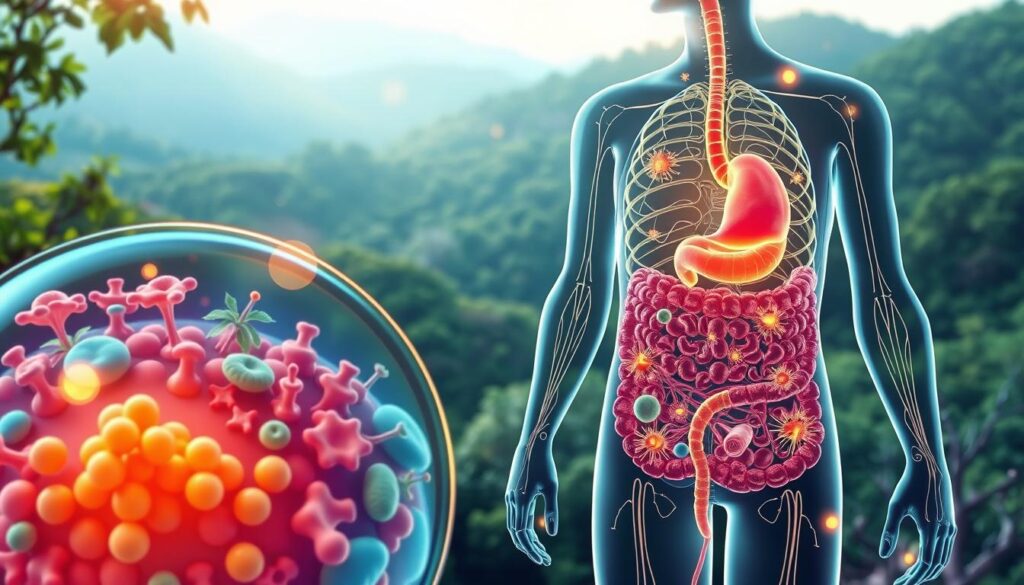
The health of my immune system is deeply connected to my digestive health. The trillions of microbes in my digestive tract play a vital role in defending my body against harmful pathogens. Understanding this connection has helped me take proactive steps to support both my immune and digestive systems.
How Microbes Boost Immunity
Beneficial bacteria in my digestive system produce compounds that help regulate my immune response. These compounds signal immune cells to act against harmful invaders. Research shows that this interaction is essential for maintaining a strong defense system.
Within the large intestine, sugar metabolism plays a key role in immune function. Bacteria break down sugar into smaller molecules that support immune cell activity. This process ensures that my body can respond effectively to infections.
Here’s how this works:
- Beneficial bacteria produce compounds that activate immune cells.
- Sugar metabolism in the large intestine fuels immune responses.
- A balanced microbial environment strengthens overall immunity.
“The interaction between microbes and immune cells is a cornerstone of health.”
Maintaining a healthy microbial environment is crucial for optimal immunity. When harmful bacteria outnumber beneficial ones, my immune system becomes less effective. This imbalance can increase my susceptibility to infections and other health issues.
By improving my digestive health, I’ve noticed a significant boost in my body’s ability to fight infections. Simple changes, like eating more fiber-rich foods and reducing processed sugar, have made a big difference. Supporting my digestive system has become a key part of my overall wellness routine.
Exploring the Gut-Brain Axis
The gut-brain axis is a fascinating connection that influences both my mental and physical health. This bidirectional communication system links my digestive system to my brain, affecting everything from mood to cognitive function. Understanding this relationship has helped me take better care of my overall well-being.
Pathways of Communication
The gut and brain communicate through neural, hormonal, and immune pathways. For example, the vagus nerve acts as a direct line between the two, sending signals that influence my mood and stress levels. Microbial metabolites, produced by beneficial bacteria, also play a key role in this process.
Certain antibiotics can disrupt this communication by reducing the diversity of beneficial bacteria. On the other hand, plant-based compounds, like polyphenols, can enhance it by promoting the growth of good bacteria. This balance is essential for maintaining a healthy gut-brain connection.
Impact on Mood and Behavior
A balanced digestive system has a profound impact on my mood and behavior. For instance, about 90% of serotonin, a neurotransmitter linked to happiness, is produced in the gut. When my digestive health is compromised, it can lead to feelings of anxiety or depression.
Research shows that improving gut health can positively affect mental health. One study found that participants who consumed probiotic-rich foods experienced reduced symptoms of depression. This highlights the importance of nurturing my digestive system for both physical and mental well-being.
“The gut-brain axis is a powerful reminder that our mental and physical health are deeply interconnected.”
By focusing on a diet rich in plant-based foods and avoiding unnecessary antibiotics, I’ve noticed improvements in my mood and cognitive function. Small changes, like incorporating fermented foods or reducing processed sugars, can make a big difference in supporting this vital connection.
Preventative Measures for a Healthy Microbiome
Taking proactive steps to maintain my digestive health has become a priority for me. I’ve learned that early detection and routine care are essential for preventing issues like inflammatory bowel disease. By focusing on preventative measures, I can ensure my body stays in harmony.
Routine Practices and Testing
Regular monitoring of my digestive health is a key part of my routine. I’ve found that specific tests, like stool analysis, can detect early signs of imbalance. These screenings provide insights into the health of my cells and microbial community.
For example, a comprehensive stool test can identify harmful bacteria or parasites. This helps me take corrective actions before issues escalate. Early detection is crucial for maintaining balance and preventing chronic conditions.
Daily Practices for Cellular Health
Supporting my cells and microbial community starts with daily habits. I prioritize a diet rich in fiber and fermented foods, which nourish beneficial bacteria. Staying hydrated and managing stress also play a vital role in maintaining balance.
Here’s a breakdown of my daily practices:
| Practice | Benefit |
|---|---|
| Fiber-Rich Diet | Supports beneficial bacteria growth |
| Hydration | Aids digestion and nutrient absorption |
| Stress Management | Reduces inflammation and supports cell health |
Dietary and Lifestyle Modifications
To prevent inflammatory bowel disease, I’ve made specific dietary changes. I avoid processed foods and focus on whole, nutrient-dense options. Regular exercise and quality sleep further support my digestive system.
Research shows that these modifications can reduce the risk of chronic conditions. For instance, a diet high in antioxidants protects cells from damage. This proactive approach helps me maintain long-term balance.
“Prevention is the foundation of a healthy life. Small changes today can prevent big problems tomorrow.”
By incorporating these practices into my routine, I’ve noticed significant improvements in my overall health. Maintaining balance is not just a goal—it’s a lifestyle.
Integrating Supplements for Improved Gut Function
Supplements can play a key role in enhancing digestive health. They are designed to target specific microbes and support the production of beneficial compounds like short-chain fatty acids. These acids are essential for nourishing the intestinal lining and maintaining overall health.
How Supplements Support Microbial Health
Certain supplements are formulated to promote the growth of beneficial microbes. For example, prebiotic fibers act as food for these bacteria, helping them thrive. This process leads to increased production of short-chain fatty acids, which play a vital role in digestive function.
Research shows that these acids reduce inflammation and strengthen the intestinal barrier. By incorporating the right supplements, I’ve noticed improvements in my digestion and overall well-being.
Choosing High-Quality Supplements
Not all supplements are created equal. When selecting one, I look for products backed by clinical studies. High-quality options often contain ingredients like inulin, resistant starch, or polyphenols, which are known to support microbial health.
Here’s a quick guide to some effective supplements:
| Supplement | Benefit |
|---|---|
| Inulin | Promotes growth of beneficial bacteria |
| Resistant Starch | Increases production of short-chain fatty acids |
| Polyphenols | Supports microbial diversity |
“The right supplement can make a significant difference in your digestive health.”
By understanding the science behind these products, I’ve been able to make informed choices. Supplements are not a replacement for a healthy diet, but they can be a valuable addition to my wellness routine.
Advancements in Gut Microbiome Research
Recent breakthroughs in digestive health research are reshaping how we approach wellness. Scientists are uncovering new ways to support our internal ecosystem, offering fresh insights into conditions like irritable bowel syndrome. These discoveries are paving the way for advanced treatments and personalized care.
Emerging Trends
One of the most exciting trends is the use of dietary fiber to promote digestive health. Research shows that fiber acts as fuel for beneficial bacteria, helping them thrive and support overall wellness. Probiotics are also gaining attention for their ability to restore balance and improve symptoms of irritable bowel syndrome.
Another trend is the focus on immune interactions within the digestive system. Studies reveal that beneficial bacteria play a key role in regulating the immune response. This understanding is driving the development of new therapies that target both digestive and immune health.
Implications for Future Treatments
New research is changing how we treat irritable bowel syndrome and other digestive conditions. For example, personalized diets rich in fiber and probiotics are becoming a cornerstone of treatment plans. These approaches aim to restore balance and reduce symptoms effectively.
Here’s a look at potential future treatments:
| Treatment | Benefit |
|---|---|
| Personalized Diets | Target specific needs for better results |
| Probiotic Therapies | Restore beneficial bacteria |
| Immune Modulators | Enhance immune response |
“The future of digestive health lies in understanding the intricate relationship between diet, bacteria, and the immune system.”
By focusing on these advancements, I’ve gained a deeper understanding of how to support my digestive health. Incorporating more fiber and probiotics into my diet has made a noticeable difference. These small changes are part of a larger shift toward personalized, science-backed wellness.
Personalizing Your Gut Health Journey
Customizing my approach to digestive health has transformed my well-being. By tailoring strategies to my unique needs, I’ve been able to address specific challenges like obesity and inflammation. This personalized journey has made a significant difference in how I feel every day.
Tailoring Strategies to Your Needs
Understanding my body’s specific needs was the first step. For example, I started tracking my food intake and symptoms to identify patterns. This data helped me make informed decisions about my diet and supplements. Incorporating probiotics into my routine was a game-changer, especially for managing obesity and reducing inflammation.
Research shows that probiotics can support weight management by improving metabolism and reducing fat storage. They also help lower inflammation by balancing the microbial community in the digestive system. By focusing on these benefits, I’ve been able to create a plan that works for me.
Tracking and Measuring Progress
Monitoring my progress has been essential. I use a journal to record my meals, symptoms, and overall well-being. This helps me see what’s working and what needs adjustment. For instance, I noticed that adding fermented foods like yogurt and kimchi improved my digestion and energy levels.
Here’s a simple way to track your journey:
- Record your daily meals and snacks.
- Note any digestive symptoms or changes.
- Track your mood and energy levels.
“Personalized strategies are the key to long-term digestive health.”
Adopting Customized Strategies
Every person’s body is different, so what works for one may not work for another. For me, reducing processed foods and increasing fiber intake made a big difference. I also found that regular exercise and stress management techniques, like meditation, supported my overall health.
By focusing on my individual needs, I’ve been able to create a sustainable plan that keeps me feeling my best. Small, consistent changes have led to lasting improvements in my digestive health and overall well-being.
Lifestyle Adjustments to Combat Dysbiosis
Making small changes in my daily habits has helped me combat digestive issues effectively. By focusing on practical adjustments, I’ve been able to restore microbial diversity and reduce the risk of conditions like inflammatory bowel issues. Here’s how I’ve transformed my routine to support a healthier digestive system.
Daily Practices for Better Digestive Health
Incorporating daily practices that promote microbial diversity has been a game-changer for me. Simple habits like eating more fiber-rich foods and staying hydrated have made a noticeable difference. These adjustments help nourish beneficial bacteria and create a balanced internal environment.
Here are some practices I follow:
- Dietary Shifts: I focus on whole, unprocessed foods like fruits, vegetables, and whole grains. These foods provide essential nutrients and support microbial growth.
- Stress Reduction: Activities like yoga and meditation help me manage stress, which in turn supports my digestive health.
- Regular Exercise: I aim for at least 30 minutes of moderate activity daily. Exercise improves digestion and reduces the risk of bowel disease.
- Quality Sleep: Getting 7-8 hours of sleep each night allows my body to repair and function optimally.
The Role of Physical Activity and Sleep
Regular physical activity and proper sleep are essential for reducing the risk of inflammatory bowel issues. Exercise improves blood flow to the digestive tract, aiding in nutrient absorption. Sleep, on the other hand, supports cellular repair and overall well-being.
“Small, consistent changes in lifestyle can lead to significant improvements in digestive health.”
Actionable Tips for a Healthier Digestive System
Here are some tips I’ve found effective:
- Start your day with a fiber-rich breakfast, like oatmeal with berries.
- Incorporate fermented foods like yogurt or sauerkraut into your meals.
- Practice mindfulness techniques to reduce stress levels.
- Stay active with activities you enjoy, such as walking or dancing.
By focusing on these lifestyle adjustments, I’ve been able to support my digestive health and reduce the risk of bowel disease. Small changes can make a big difference over time.
Conclusion
Maintaining a healthy internal ecosystem requires consistent effort and informed choices. Throughout this article, I’ve explored practical strategies to support my digestive health, from dietary adjustments to lifestyle changes. Achieving a balanced microbial level is essential for overall well-being, and small, everyday actions can make a significant difference.
While treatment options continue to evolve, prevention remains the cornerstone of long-term health. Regular self-monitoring, such as tracking symptoms and dietary habits, helps me stay proactive. Incorporating fiber-rich foods, staying hydrated, and managing stress are simple yet effective ways to nurture my body’s internal environment.
By embracing these habits, I’ve noticed lasting benefits in my energy, digestion, and overall health. Taking charge of my wellness journey has been empowering, and I encourage others to do the same. Small steps today can lead to a healthier tomorrow.