
Welcome to my personal guide on improving digestion naturally. Over the years, I’ve learned how essential a balanced gut microbiome is for overall vitality. It’s not just about feeling good after meals—it’s about supporting your immune system and overall wellness.
This guide is based on my own research and interest in the topic. I’ll share how the right food choices and lifestyle habits can make a big difference. You’ll also find evidence-based strategies to help you take control of your digestive system.
Whether you’re new to this topic or looking to deepen your understanding, this guide is for you. Let’s explore how small changes can lead to big improvements in your well-being.
Key Takeaways
- A balanced gut microbiome supports overall wellness.
- Food choices play a key role in improving digestion.
- Lifestyle habits can enhance your gut health.
- Evidence-based strategies are effective for long-term results.
- Small changes can lead to significant improvements.
Introduction to Gut Health Solutions
My journey into digestive wellness began with a simple question: why do I feel so off after meals? It wasn’t just occasional discomfort—it was a pattern that made me realize something deeper was at play. This curiosity sparked my interest in understanding how our bodies process food and the role of the digestive system in overall well-being.
Over time, I noticed specific symptoms like bloating and fatigue that pushed me to seek answers. I started exploring both traditional practices, like mindful eating, and modern research on the gut microbiome. What I discovered was eye-opening: small, natural changes could make a big difference.
Adopting these strategies transformed how I felt. Simple adjustments, like incorporating more whole foods and reducing processed options, brought noticeable improvements. I also learned to trust evidence-based approaches, which gave me confidence in the changes I was making.
“Understanding your body’s signals is the first step toward better wellness.”
This journey taught me why it’s so important to pay attention to digestive challenges. Whether you’re dealing with similar issues or just curious about improving your well-being, understanding the basics can be a game-changer. It’s not just about feeling better—it’s about thriving.
The Crucial Role of the Gut Microbiome in Our Health
The gut microbiome is a fascinating world of microorganisms that play a vital role in our well-being. Trillions of bacteria, fungi, and other microbes live in our digestive system, forming a complex ecosystem. This ecosystem, known as the gut microbiome, influences everything from nutrient absorption to immune defense.
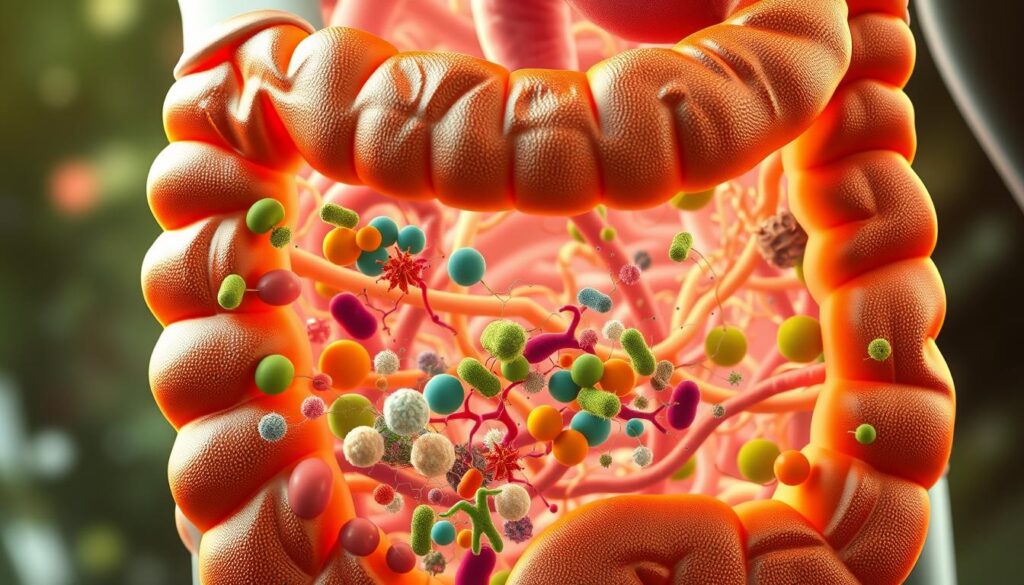
Not all bacteria are created equal. Some are beneficial, aiding in digestion and protecting against harmful pathogens. Others can cause issues if they grow out of balance. Maintaining this balance is key to supporting our overall health.
Understanding Beneficial vs. Harmful Bacteria
Beneficial bacteria, like Lactobacillus and Bifidobacterium, help break down food and produce essential nutrients. They also strengthen the immune system by preventing harmful bacteria from thriving. On the other hand, harmful bacteria, when unchecked, can lead to digestive discomfort and even chronic conditions.
Recent research highlights the importance of microbial diversity. A diverse microbiome is linked to better metabolic function and a reduced risk of inflammatory diseases. This diversity can be supported through diet and lifestyle choices.
Link Between Gut Function and Overall Health
The gut does more than digest food—it’s a central hub for nutrient absorption and immune defense. A healthy microbiome ensures that nutrients are properly absorbed and that the immune system functions effectively. Studies show that an imbalance in gut bacteria can contribute to issues like fatigue, skin problems, and even mental health challenges.
“A balanced microbiome is essential for maintaining both physical and mental well-being.”
By understanding the role of the gut microbiome, we can make informed choices to support our overall health. Simple steps, like eating a varied diet rich in fiber and reducing stress, can make a significant difference.
Recognizing the Signs of an Unhealthy Gut
Your body often sends signals when something isn’t right with your digestive system. These signs can range from mild discomfort to more noticeable issues. Paying attention to these symptoms can help you address problems early and restore balance.

Common Digestive Symptoms
Bloating, gas, and stomach discomfort are common indicators of an unbalanced digestive system. These symptoms often occur after meals and can be linked to poor digestion or an overgrowth of harmful bacteria in the intestine.
Another frequent issue is constipation, which may suggest a lack of dietary fiber. Fiber is essential for maintaining regular bowel movements and supporting a healthy digestive tract. Ignoring these signs can lead to more severe problems over time.
External Indicators like Skin and Energy Levels
Your skin and energy levels can also reflect the state of your digestive system. Recurring skin issues, such as acne or rashes, are often linked to internal imbalances. Low energy and persistent fatigue may indicate that your body isn’t absorbing nutrients effectively.
Research shows that chronic digestive issues can contribute to broader health problems, including inflammatory diseases. Recognizing these external signs early can help you take proactive steps to improve your well-being.
“Understanding your body’s signals is the first step toward better wellness.”
By paying attention to both internal and external symptoms, you can identify potential issues and make informed changes. Small adjustments, like increasing fiber intake or reducing stress, can have a significant impact on your digestive system and overall health.
Impact of Diet on Gut Health
Modern diets are reshaping the way our bodies process food. What we eat daily can either support or harm our digestive system. Processed and sugary foods, in particular, have become a staple in many diets, but their effects are far from beneficial.
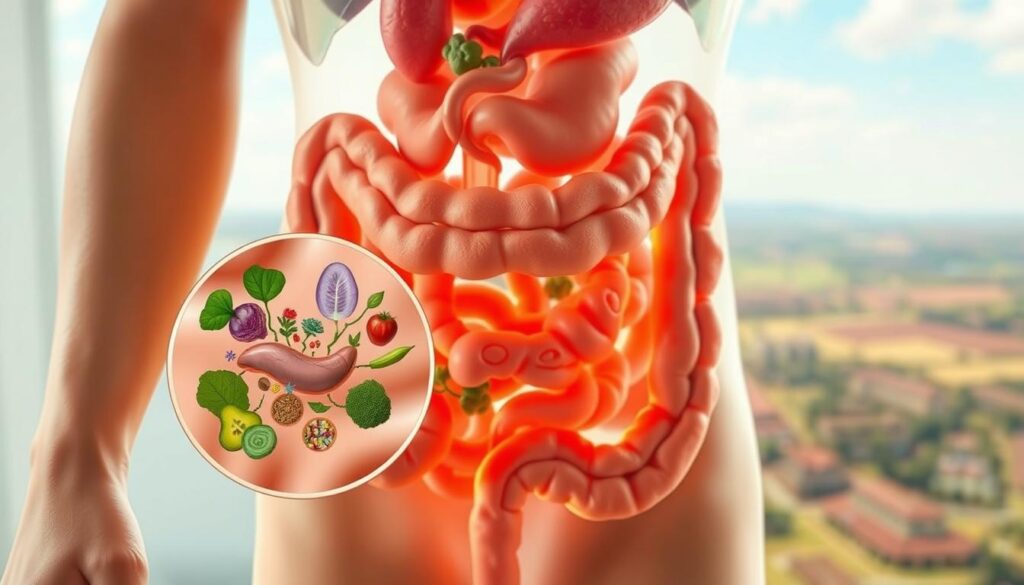
A high-sugar diet can disrupt the balance of beneficial bacteria in the digestive system. These bacteria play a crucial role in breaking down food and absorbing nutrients. When sugar intake is excessive, harmful bacteria thrive, leading to imbalances and discomfort.
Processed foods, often loaded with refined sugars and unhealthy fats, can also increase inflammation in the digestive tract. This inflammation not only causes immediate discomfort but can also contribute to long-term issues. Research shows that reducing processed and sugary foods can significantly improve digestive function.
How Processed Foods Affect Your System
Processed foods are designed for convenience, but they often lack the nutrients our bodies need. They can slow down digestion, leading to bloating and irregular bowel movements. Over time, this can weaken the digestive system and make it harder to absorb essential nutrients.
Refined sugars, a common ingredient in processed foods, are particularly harmful. They feed harmful bacteria, allowing them to outnumber the beneficial ones. This imbalance can lead to issues like gas, cramps, and even chronic inflammation.
“Reducing sugar and processed foods is one of the most effective ways to restore digestive balance.”
The Power of Dietary Change
Making small changes in your diet can have a big impact. Replacing processed foods with whole, nutrient-rich options can help restore balance in your digestive system. Foods like fruits, vegetables, and whole grains provide the fiber and nutrients needed for optimal digestion.
Here’s a quick comparison of how different food choices affect your system:
| Food Type | Effect on Digestion |
|---|---|
| Processed Foods | Slows digestion, increases inflammation |
| Whole Foods | Supports regular digestion, reduces inflammation |
By choosing whole foods over processed options, you can support a healthier digestive system. Even small changes, like swapping sugary snacks for fresh fruit, can make a lasting difference.
The Benefits of Probiotics and Prebiotics
Understanding the role of probiotics and prebiotics can transform how you approach your diet. These two components work together to support a thriving digestive system and overall wellness. By incorporating them into your daily routine, you can make a significant difference in how your body processes food and absorbs nutrients.

Probiotic Foods and Supplement Insights
Probiotics are live beneficial bacteria that help maintain a balanced digestive system. Foods like yogurt, kefir, and fermented foods such as sauerkraut and kimchi are rich sources of these helpful microbes. They not only aid in digestion but also boost immunity by supporting the gut microbiome.
When choosing probiotic supplements, look for those with multiple strains and a high CFU (colony-forming units) count. Research shows that supplements containing Lactobacillus and Bifidobacterium are particularly effective. Always check for third-party testing to ensure quality and potency.
Prebiotic Choices to Feed Your Microbiome
Prebiotics are non-digestible fibers that act as food for the beneficial bacteria in your digestive system. Foods like garlic, onions, bananas, and asparagus are excellent sources. These fibers help the gut microbiome thrive, promoting better digestion and nutrient absorption.
Incorporating both probiotics and prebiotics into your diet creates a synergistic effect. While probiotics introduce beneficial bacteria, prebiotics ensure they have the fuel they need to grow and function effectively.
“A balanced diet rich in probiotics and prebiotics is key to supporting your digestive system and overall wellness.”
By making mindful food choices, you can create a thriving environment for your digestive system. Whether through fermented foods or high-fiber options, these small changes can lead to big improvements in how you feel every day.
Natural Strategies for Enhancing Digestion
Taking control of your digestive system starts with simple, natural strategies. By focusing on what you eat and how you live, you can make a significant difference in how your body processes food. Let’s explore some effective ways to support your digestive system naturally.

Embracing a Whole Foods Diet
A whole foods diet is one of the most effective ways to improve digestion. Whole foods, like fruits, vegetables, and whole grains, are rich in fiber, which helps keep your digestive tract functioning smoothly. Fiber also supports nutrient absorption and regularity, making it essential for a healthy body.
Research shows that a diet high in processed foods can lead to inflammation and discomfort. By replacing these with whole, nutrient-dense options, you can create a more balanced environment for your digestive system. Small changes, like adding more leafy greens or swapping refined grains for whole ones, can have a lasting impact.
Hydration and Stress Management Techniques
Staying hydrated is another key factor in supporting digestion. Water helps break down food and move it through your digestive tract. Aim to drink at least eight glasses a day, and consider starting your morning with a glass of warm water to kickstart your system.
Stress can also take a toll on your digestion. Practices like meditation and yoga can help reduce stress levels, promoting a healthier digestive process. Studies have shown that stress management techniques can improve gut efficiency and overall well-being.
“Small, consistent lifestyle changes can lead to significant improvements in digestion and overall wellness.”
Here’s a quick comparison of how different habits affect your digestion:
| Habit | Effect on Digestion |
|---|---|
| Whole Foods Diet | Supports regularity, reduces inflammation |
| Hydration | Improves food breakdown, prevents constipation |
| Stress Management | Enhances gut efficiency, reduces discomfort |
By incorporating these natural strategies into your daily routine, you can take control of your digestion and feel your best. Remember, it’s the small, consistent changes that make the biggest difference.
Exploring Foods that Promote a Healthy Gut
The foods we eat daily have a profound impact on our digestive system and overall well-being. Choosing the right food can nourish your gut and support the growth of beneficial bacteria. Let’s dive into some of the best options to include in your diet.

High-Fiber Foods for Digestive Support
High-fiber foods like legumes, whole grains, and vegetables are essential for maintaining a healthy digestive system. Fiber helps regulate bowel movements and supports the growth of beneficial bacteria in the gut.
Examples of fiber-rich foods include:
- Beans and lentils
- Oats and quinoa
- Broccoli and carrots
Incorporating these into your meals can improve digestion and reduce discomfort.
The Role of Fermented Foods
Fermented foods like yogurt, kimchi, and sauerkraut are rich in probiotics. These beneficial bacteria help balance the gut microbiome and improve digestion. Adding fermented options to your diet can enhance nutrient absorption and boost immunity.
Try experimenting with different fermented foods to find what works best for you. Variety is key to maintaining a thriving digestive system.
Collagen-Boosting Foods for Gut Integrity
Collagen-boosting foods, such as bone broth and salmon skin, support the lining of the digestive tract. This helps maintain gut integrity and prevents issues like leaky gut syndrome.
Other collagen-rich options include:
- Chicken skin
- Egg whites
- Citrus fruits
These foods not only support digestion but also promote overall wellness.
“A diverse diet rich in natural, nutrient-dense foods is the foundation of a healthy digestive system.”
By including a variety of these foods in your diet, you can create a balanced environment for your digestive system. Experiment with different options to discover what works best for your unique needs.
Managing Chronic Inflammation for Gut Well-Being
Chronic inflammation can silently disrupt your body’s natural balance, affecting more than just your digestive system. When left unchecked, it can lead to a range of health challenges, from discomfort to long-term conditions. Understanding how to manage inflammation is key to restoring harmony and improving overall well-being.
Research shows that chronic inflammation is closely linked to immune responses and gut dysbiosis. This imbalance can compromise digestive function and weaken the body’s ability to absorb nutrients. By addressing inflammation through diet and lifestyle, you can create a healthier environment for your digestive system.
Anti-inflammatory Diet Tips
One of the most effective ways to combat inflammation is through your diet. Focus on whole, nutrient-dense foods that support your body’s natural healing processes. Here are some practical tips:
- Incorporate omega-3 rich foods like salmon, walnuts, and flaxseeds.
- Choose colorful fruits and vegetables, such as berries, spinach, and sweet potatoes.
- Minimize processed and sugary items, which can exacerbate inflammation.
Studies have shown that a diet rich in anti-inflammatory foods can reduce inflammation markers and improve digestion. For example, omega-3 fatty acids are known to lower inflammation and support gut integrity.
Lifestyle Adjustments to Reduce Inflammation
Beyond diet, certain lifestyle changes can help manage inflammation. Stress, lack of sleep, and sedentary habits can all contribute to chronic inflammation. Here’s how to make positive adjustments:
- Practice stress-reducing techniques like meditation or yoga.
- Prioritize quality sleep to allow your body to repair and regenerate.
- Engage in regular physical activity, such as walking or swimming.
These changes not only reduce inflammation but also promote overall health. For instance, regular exercise has been shown to lower inflammatory markers and improve gut function.
“Balancing inflammation is the foundation of a healthier digestive system and improved well-being.”
Here’s a quick comparison of anti-inflammatory strategies:
| Strategy | Benefits |
|---|---|
| Anti-inflammatory Diet | Reduces inflammation, supports nutrient absorption |
| Stress Management | Lowers cortisol levels, improves gut function |
| Regular Exercise | Decreases inflammation markers, boosts digestion |
By adopting these strategies, you can take control of chronic inflammation and create a healthier, more balanced body. Small, consistent changes can lead to significant improvements in your digestive system and overall well-being.
How Lifestyle Choices Affect Your Gut
Our daily routines shape more than just our schedules—they influence our internal systems too. From the moment we wake up to the habits we form throughout the day, every choice plays a role in maintaining balance. Over time, I’ve learned that small adjustments in lifestyle can lead to significant improvements in how my system functions.

Sleep, exercise, and stress management are three pillars that directly impact digestive well-being. When these areas are neglected, it can lead to discomfort and imbalance. By focusing on these aspects, I’ve seen firsthand how they contribute to a healthier, more resilient gut.
The Role of Sleep in Digestive Repair
Adequate sleep is essential for optimal function and repair. During rest, the body works to heal and regenerate, including the digestive tract. Research shows that poor sleep can disrupt the balance of beneficial bacteria, leading to issues like bloating and irregularity.
I’ve found that prioritizing seven to eight hours of quality sleep each night makes a noticeable difference. It’s not just about quantity—creating a calming bedtime routine can enhance the quality of rest and support overall health.
Exercise for a Dynamic System
Regular physical activity helps maintain a dynamic and balanced digestive system. Movement stimulates the muscles in the digestive tract, promoting regularity and reducing discomfort. Even moderate activities like walking or yoga can have a positive impact.
Incorporating exercise into my daily routine has been a game-changer. It not only improves digestion but also boosts energy levels and reduces stress, creating a ripple effect of benefits.
Stress Reduction for Balance
Stress is a major factor that can disrupt the delicate balance of the digestive system. Chronic stress can lead to issues like inflammation and dysbiosis, where harmful bacteria outnumber the beneficial ones. Managing stress is crucial for maintaining harmony.
Practices like meditation, deep breathing, and journaling have helped me reduce stress levels. Over time, these habits have contributed to a calmer mind and a healthier gut.
“Small, consistent changes in lifestyle can lead to big improvements in digestive well-being.”
Here’s a quick comparison of how different habits affect your system:
| Habit | Effect on Digestion |
|---|---|
| Quality Sleep | Supports repair, maintains bacterial balance |
| Regular Exercise | Promotes regularity, reduces discomfort |
| Stress Management | Prevents inflammation, supports harmony |
By making these adjustments, you can take control of your digestive well-being. Remember, it’s the small, consistent habits that create lasting change. Start today and see how your life transforms for the better.
Integrative Approaches to Gut Health and Healing
Collaborating with experts can unlock new levels of understanding for your digestive system. Over time, I’ve realized that personalized guidance from professionals can make a significant difference. Working with nutritionists and health experts has provided me with tools to optimize my internal balance and overall well-being.
Personalized Insights for Better Balance
One of the most valuable aspects of working with experts is the personalized approach they offer. Nutritionists can analyze your unique needs and create tailored plans to support your digestive system. For example, they might recommend specific foods to enhance beneficial bacteria or suggest lifestyle adjustments to reduce inflammation.
Research shows that personalized nutrition plans can optimize the balance of bacteria in your system. This targeted approach often leads to faster and more sustainable results compared to generic advice.
Combining Nutrition and Lifestyle
Integrative approaches go beyond just diet. They combine nutrition, lifestyle changes, and sometimes targeted supplements to address root causes. For instance, reducing stress through mindfulness practices can improve digestion, while proper hydration supports nutrient absorption.
I’ve seen how these combined strategies can transform someone’s well-being. A friend of mine struggled with digestive discomfort for years until a nutritionist introduced her to a holistic plan. Within weeks, she noticed a significant improvement in her energy levels and overall health.
Navigating Complex Challenges
Experts can also help navigate complex issues, such as the effects of improper antibiotic use. Antibiotics can disrupt the balance of bacteria in your system, leading to long-term issues. Nutritionists can guide you in restoring this balance through targeted dietary changes and probiotic support.
Informed change, backed by research, truly accelerates healing. By working with professionals, you can address these challenges with confidence and clarity.
“Personalized guidance from experts is the key to unlocking your body’s full potential.”
Here’s a quick comparison of how expert-led approaches differ from generic advice:
| Approach | Benefits |
|---|---|
| Generic Advice | May not address individual needs, slower results |
| Expert-Led Plans | Tailored to your unique needs, faster and sustainable results |
If you’re looking to improve your digestive system, consider seeking professional guidance. The right support can make all the difference in your journey toward sustained well-being.
My Personal Journey to Improving Gut Health
My path to better digestion began with persistent discomfort that I couldn’t ignore. Bloating, fatigue, and irregularity were constant reminders that something was off. I knew I needed to make a change, but I wasn’t sure where to start. That’s when I decided to dive into research and take control of my well-being.
One of the first steps I took was to identify the root causes of my issues. I learned that an imbalance in gut bacteria could be the culprit. Armed with this knowledge, I began making small, intentional changes to my diet and lifestyle. These adjustments weren’t drastic, but they were effective.
Here are some of the key changes I made:
- Incorporating more probiotic-rich foods like yogurt and kimchi.
- Adding prebiotic sources such as garlic and bananas to my meals.
- Reducing processed foods and increasing whole, fiber-rich options.
Over time, I noticed significant improvements. My energy levels soared, and the discomfort I once felt became a thing of the past. Balancing my gut bacteria was the turning point in my journey to improve gut health.
“Small, consistent changes can lead to big improvements in how you feel every day.”
Reflecting on my journey, I realize how much I’ve learned about my body and its needs. This experience has shaped the advice I share in this guide. I encourage you to look inward and consider your own experiences as you pursue better gut health.
Remember, every person’s journey is unique. What worked for me might not work for you, but the key is to stay curious and open to change. Start with small steps, and over time, you’ll find the balance that works best for you.
Effective “gut health solutions” for Overall Wellness
Taking small, consistent steps can transform your digestive system and boost your overall health. Over time, I’ve discovered that simple daily habits can make a significant difference in how I feel. These practices not only support digestion but also strengthen the immune system and reduce the risk of chronic conditions like cancer.
Simple Habits for a Healthier Lifestyle
One of the most effective habits I’ve adopted is starting my day with a glass of warm water. This simple routine helps kickstart digestion and keeps my system functioning smoothly. Adding lemon or ginger can enhance the benefits, providing a natural boost to my immune system.
Another key practice is incorporating more fiber-rich foods into my meals. Foods like oats, beans, and leafy greens support the growth of beneficial gut bacteria, which play a crucial role in maintaining overall health. Research shows that a diet rich in fiber can also lower the risk of cancer by promoting regular bowel movements and reducing inflammation.
Nutrient-Rich Choices for Long-Term Benefits
Focusing on nutrient-dense foods has been a game-changer for me. I prioritize whole, unprocessed options like fruits, vegetables, and lean proteins. These foods provide essential vitamins and minerals that support digestion and strengthen the body’s defenses.
For example, incorporating omega-3-rich foods like salmon and walnuts can reduce inflammation and support gut integrity. Studies have shown that these nutrients can also lower the risk of chronic diseases, including cancer.
“Small, consistent changes in your daily routine can lead to significant improvements in your well-being.”
Practical Tips for Busy Lifestyles
Even with a busy schedule, it’s possible to prioritize these habits. Here are some practical tips I’ve found helpful:
- Prepare meals in advance to ensure you’re eating nutrient-rich foods throughout the week.
- Keep healthy snacks like nuts and fruit on hand to avoid processed options.
- Set aside time for stress-reducing activities like meditation or a short walk.
By making these small adjustments, you can create a healthier, more balanced lifestyle. Remember, it’s not about perfection—it’s about progress. Start with one habit today and build from there.
Conclusion
Improving your digestive system starts with understanding its needs. Throughout this guide, I’ve shared strategies like incorporating probiotics and prebiotics, focusing on whole foods, and managing stress. These small, consistent changes can lead to significant improvements in how you feel every day.
Maintaining a balanced microbiome is essential for overall well-being. By nurturing beneficial bacteria and reducing inflammation, you can support your body’s natural processes. Remember, it’s not about perfection—it’s about progress.
Take proactive steps today. Start with one habit, like adding more fiber to your diet or practicing mindfulness. Over time, these changes will help you thrive. A healthier digestive system means a healthier you—mind, body, and life.