Struggling with occasional bloating and discomfort, I began researching ways to improve my gut health. That’s when I discovered the power of digestive enzymes. These tiny molecules play a crucial role in breaking down food, especially protein, making digestion smoother and more efficient.
I learned that enzymes like bromelain in pineapple and papain in papaya are naturally occurring and help support the digestive process. This sparked my interest in exploring enzyme-rich foods and supplements to enhance my overall well-being.
My journey wasn’t just about finding a quick fix. It was about understanding how these enzymes work and why they’re essential for optimal digestion. This article shares my experience and the science behind it, so you can make informed choices for your gut health too.
Key Takeaways
- Digestive enzymes help break down food, especially protein.
- Enzyme-rich foods like pineapple and papaya support digestion.
- Bromelain and papain are key enzymes found in these fruits.
- Understanding enzymes can improve gut health.
- Natural solutions can enhance digestion and overall well-being.
My Personal Journey to Improved Gut Health
Feeling constant discomfort after meals, I knew I had to find a better way to support my body. My gut issues were more than just occasional bloating—they were affecting my daily life. Determined to make a change, I started researching how certain foods could help improve my digestion and overall health.
Starting My Search for Relief
My first step was understanding what was causing my discomfort. I learned that proteins, in particular, were hard for my body to break down. That’s when I discovered protease, an enzyme specifically designed to break protein into smaller, more digestible pieces. This revelation sparked my interest in enzyme-rich foods and their potential benefits.
Early Discoveries and Life Changes
I began experimenting with foods like pineapple and papaya, which are naturally rich in enzymes. Pineapple contains bromelain, while papaya has papain—both known for their ability to support digestion. Incorporating these foods into my diet was a game-changer. I noticed less bloating and more energy after meals.
Here’s a quick look at the enzyme-rich foods I tried and their benefits:
| Food | Key Enzyme | Benefit |
|---|---|---|
| Pineapple | Bromelain | Helps break down proteins |
| Papaya | Papain | Supports smoother digestion |
| Kiwi | Actinidain | Aids in protein digestion |
Through trial and error, I realized that everyone’s body responds differently. What worked for me might not work for someone else, but the key was staying consistent and open to trying new things. This journey taught me the importance of listening to my body and making informed choices for my health.
Understanding the Role of Digestive Enzymes in Digestion
Curious about how my body processes food, I started exploring the role of enzymes in digestion. These tiny molecules are essential for breaking down nutrients into smaller, absorbable components. Without them, our bodies would struggle to extract energy and essential compounds from the food we eat.
What Are Digestive Enzymes?
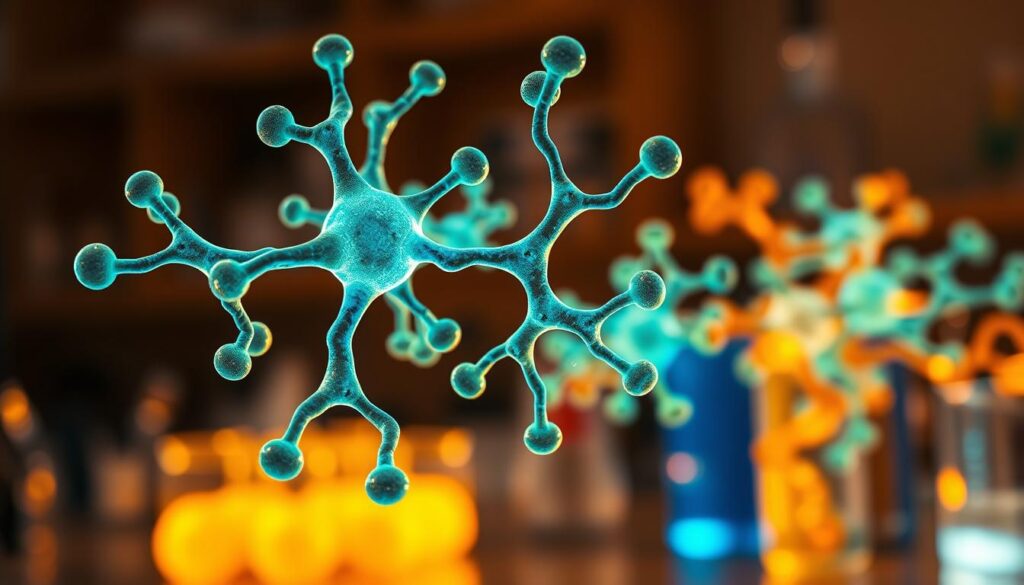
Digestive enzymes are proteins that help break down food into simpler forms. For example, lipase targets fats, converting them into fatty acids and glycerol. Similarly, enzymes like amylase and maltase process sugar from complex carbohydrates, making them easier to absorb.
My research revealed that these enzymes are produced naturally in the body, but certain foods and supplements can boost their levels. This discovery was a turning point in my journey to better digestion.
How Enzymes Enhance My Digestion
Incorporating enzyme-rich foods and supplements into my diet made a noticeable difference. I experienced less bloating and improved nutrient absorption. For instance, lipase helped me digest fatty meals more efficiently, while enzymes that process sugar reduced post-meal energy crashes.
I also learned about the role of gut bacteria in this process. These microbes work alongside enzymes to further break down food and support overall digestive health. This synergy between enzymes and bacteria has been key to my improved well-being.
Natural Digestive Aid: My Top Enzyme-Rich Foods
My journey to better health began with a simple change—adding more enzyme-rich foods to my meals. I quickly realized that tropical fruits like pineapple, papaya, and mango were not only delicious but also packed with powerful enzymes that could transform my digestion. These fruits became staples in my diet, and I noticed significant improvements in how I felt after eating.
Exploring the Tropical Favorites
Pineapple, papaya, and mango are my go-to choices for enzyme support. Pineapple contains bromelain, which helps break down proteins and reduces bloating. Papaya is rich in papain, an enzyme that aids in smoother digestion. Mango, on the other hand, provides amylase, which helps process carbohydrates.
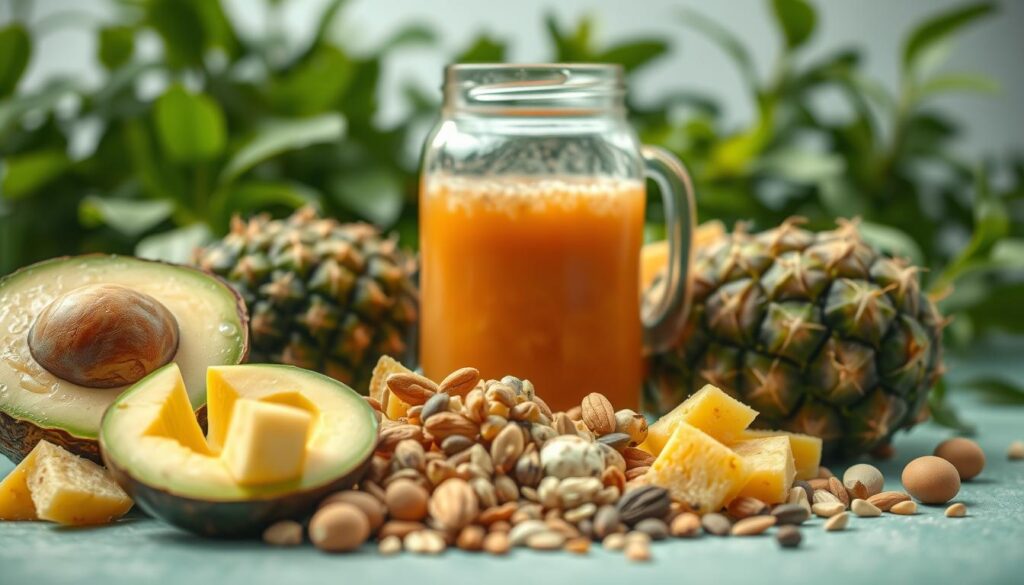
I found that incorporating these fruits into my meals made a noticeable difference. For example, adding pineapple to my smoothies or enjoying papaya as a snack helped me feel lighter and more energized. These foods also assist with fat and lactose digestion, making them versatile options for overall gut health.
Why I Choose Raw over Processed
One of the most important lessons I learned was the value of consuming these fruits in their raw form. Processing can diminish enzyme activity, reducing their benefit. Raw pineapple, papaya, and mango retain their full enzyme potency, ensuring maximum digestive support.
Here’s why raw fruits are superior:
- They preserve enzyme activity, providing better enzyme help.
- Raw fruits are free from additives that can cause bloating.
- They offer a natural way to improve digestion without supplements.
My personal experience with these foods has been transformative. By choosing raw, enzyme-rich options, I’ve been able to reduce discomfort and enjoy meals without worrying about digestive issues. If you’re looking for a simple way to support your gut health, these tropical favorites are a great place to start.
Exploring Fermented Foods for a Healthier Gut
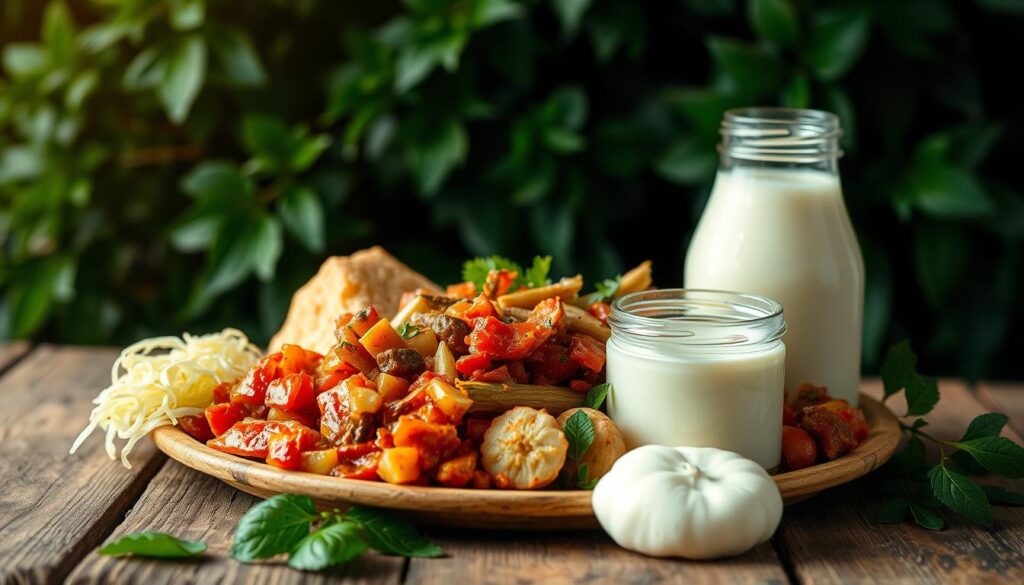
Looking for ways to enhance my gut health, I turned to fermented foods, which quickly became a staple in my diet. These foods are not only delicious but also packed with probiotics and enzymes that support digestion. Incorporating them as a side to my meals has made a noticeable difference in how I feel.
Kefir, Sauerkraut, and Their Benefits
Kefir and sauerkraut are two of my go-to fermented foods. Kefir is rich in lactase, an enzyme that helps break down lactose, making it easier to digest dairy. Sauerkraut, on the other hand, contains proteases, which assist in protein digestion. Both are excellent sources of probiotics, promoting a healthy balance of gut bacteria.
Here’s a quick comparison of their benefits:
| Food | Key Enzyme | Benefit |
|---|---|---|
| Kefir | Lactase | Breaks down lactose |
| Sauerkraut | Proteases | Supports protein digestion |
Kimchi and Miso: The Spicy and Savory Options
Kimchi and miso have also become essential in my diet. Kimchi, a spicy Korean dish, is loaded with probiotics and enzymes that reduce bloating and other digestive symptoms. Miso, a savory Japanese paste, contains enzymes that aid in breaking down proteins and fats.
These foods not only add flavor to my meals but also provide digestive enzyme help. Studies show that fermented foods retain their enzyme activity, making them a reliable source of digestive support.
“Fermented foods are a natural way to improve gut health and digestion, thanks to their probiotic and enzyme content.”
By including these fermented foods in my daily routine, I’ve experienced fewer digestive issues and improved overall well-being. They’ve become a vital side to my meals, enhancing both taste and health.
Incorporating Fruits to Boost Digestion
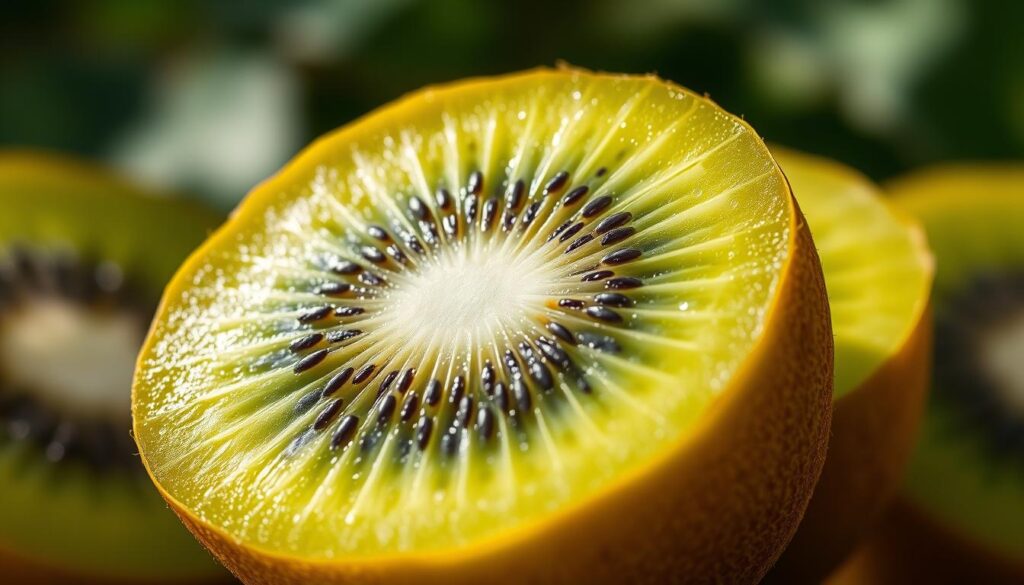
After noticing persistent discomfort, I decided to explore how fruits could improve my digestion. I discovered that kiwifruit, in particular, offers unique benefits thanks to its enzyme, actinidain. This protease helps break down proteins, making it easier for my body to process meals and reducing symptoms like nausea and gas.
Kiwifruit and Its Actinidain Impact
Actinidain, found in kiwifruit, is a powerful enzyme that aids in protein digestion. Studies show it can reduce bloating and improve gut health. I noticed fewer episodes of diarrhea and less discomfort after incorporating kiwifruit into my diet. It’s a simple yet effective way to support digestion.
Kiwifruit also contains natural lactase, which helps digest dairy products. This was a game-changer for me, as I often experienced gas and bloating after consuming milk or cheese. Adding kiwifruit to my meals helped moderate these symptoms.
Here’s a quick overview of kiwifruit’s benefits:
| Benefit | How It Helps |
|---|---|
| Protein Digestion | Actinidain helps break down proteins. |
| Reduces Nausea | Eases digestive discomfort after meals. |
| Lactose Digestion | Natural lactase aids in dairy digestion. |
| Reduces Gas | Improves overall gut health and reduces bloating. |
Incorporating kiwifruit into my daily routine has been simple. I add it to smoothies, salads, or enjoy it as a snack. Its natural enzymes provide consistent support, making it a staple in my diet for better digestion.
The Digestive Benefits of Healthy Fats
I discovered that not all fats are created equal, especially when it comes to digestion. While some fats can cause discomfort, others, like those found in avocado, play a key role in supporting my digestive health. This realization led me to explore how healthy fats could enhance my overall well-being.
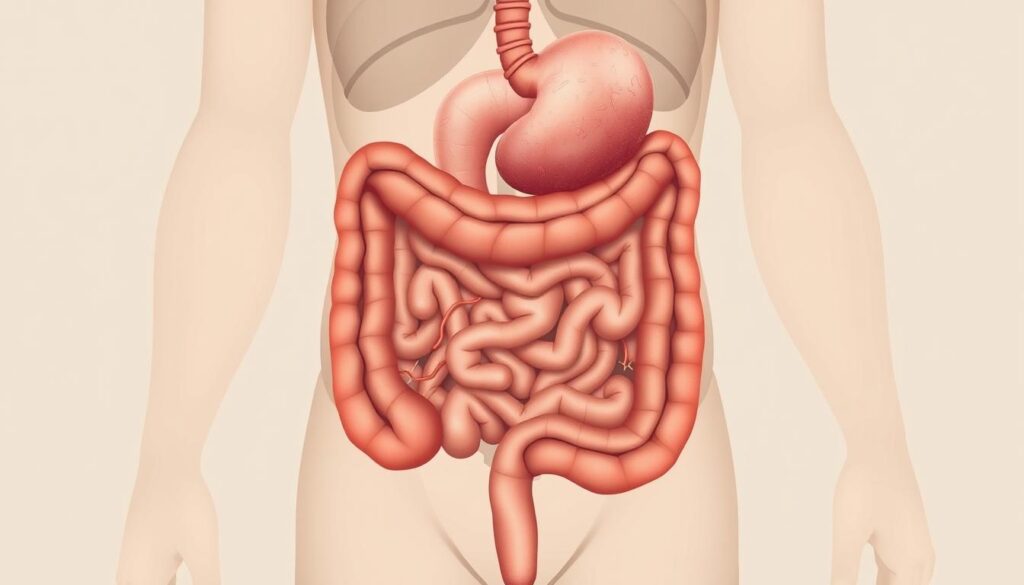
Avocado and the Role of Lipase
Avocados are unique among fruits because of their high healthy fat content. These fats are essential for absorbing nutrients like vitamins A, D, E, and K. But what makes avocados truly stand out is their ability to support the digestive process through the enzyme lipase.
Lipase is crucial for breaking down fats into smaller molecules, making them easier to digest. Unlike other foods, avocados naturally contain this enzyme, which helps my body process fats more efficiently. Incorporating avocados into my meals has reduced bloating and improved my nutrient absorption.
Here’s why avocados are a digestive powerhouse:
- They are rich in monounsaturated fats, which are easier to digest.
- Lipase in avocados aids in fat breakdown, reducing discomfort.
- They enhance the absorption of fat-soluble nutrients.
Personal experience has shown me the benefits of avocados. Adding them to salads or smoothies has made my digestion smoother and more comfortable. Studies also support this, showing that enzymes like lipase play a vital role in fat digestion and overall gut health.
“Healthy fats, especially those in avocados, are essential for optimal digestion and nutrient absorption.”
By understanding the role of lipase and incorporating avocados into my diet, I’ve found a simple yet effective way to support my digestive process. This approach has not only improved my gut health but also enhanced my overall well-being.
Practical Tips for Preserving Digestive Enzymes
To optimize my gut health, I focused on preserving the potency of digestive enzymes in my meals. This involved a combination of meal planning, cooking techniques, and occasional use of enzyme supplements. Here’s how I made it work for me.
Meal Planning Strategies That Work for Me
Meal planning has been a game-changer for maintaining enzyme-rich foods in my diet. I prioritize raw fruits and vegetables, as they retain their natural enzymes better than cooked or processed options. For example, I include pineapple and papaya in my weekly grocery list to ensure I always have a type digestive enzyme source on hand.
I also balance my meals with fermented foods like kefir and sauerkraut. These not only provide probiotics but also enzymes that help digest protein and other nutrients more efficiently. Planning ahead allows me to avoid last-minute processed meals that lack enzyme activity.
Cooking Techniques to Retain Enzyme Potency
High heat can destroy enzymes, so I’ve adopted cooking methods that minimize their degradation. Steaming and blanching are my go-to techniques, as they preserve more enzyme activity compared to frying or boiling. For instance, lightly steaming broccoli retains its enzymes while making it easier to digest.
I also avoid overcooking meats, as prolonged heat can break down the enzymes needed to digest protein. Instead, I opt for quick searing or slow cooking at lower temperatures. This approach ensures that the enzymes in my meals remain active and effective.

Here’s a quick comparison of cooking methods and their impact on enzyme retention:
| Cooking Method | Impact on Enzymes |
|---|---|
| Steaming | Preserves most enzyme activity |
| Blanching | Retains moderate enzyme levels |
| Frying | Significantly reduces enzyme potency |
| Boiling | Destroys most enzymes |
When I’m preparing heavy meals, I sometimes use an enzyme supplement to aid digestion. These supplements provide a concentrated dose of enzymes, helping my body process complex meals more effectively. Research supports this approach, showing that supplements can enhance nutrient absorption and reduce discomfort.
“Preserving enzymes through careful cooking and meal planning is a simple yet effective way to support digestion and overall health.”
By combining these strategies, I’ve been able to maintain my gut health and enjoy meals without discomfort. Whether it’s through raw foods, mindful cooking, or supplements, preserving enzymes has become an essential part of my routine.
The Impact of Diet on My Overall Well-Being
Understanding the connection between diet and well-being transformed my approach to health. I began to see how the foods I ate directly influenced my energy, mood, and even my ability to focus. By incorporating enzyme-rich foods into my meals, I noticed significant improvements in my stomach comfort and overall gut function.

One of the most noticeable changes was how my body responded to different types of food. For example, I learned that balancing my carb intake with enzyme-rich options like pineapple and papaya helped reduce bloating and discomfort. This combination made it easier for my body to process meals efficiently.
Listening to My Body’s Signals
As I adjusted my diet, I became more attuned to my body’s signals. I noticed that certain foods, like those high in healthy fats or enzymes, left me feeling lighter and more energized. On the other hand, processed or heavy meals often led to discomfort and fatigue.
Here’s how specific foods impacted my stomach and gut health:
- Pineapple and papaya reduced bloating and improved digestion.
- Healthy fats from avocados supported nutrient absorption.
- Balanced carb intake prevented energy crashes.
These changes didn’t just improve my physical health—they also boosted my mood and mental clarity. I felt more in tune with my body and better equipped to make informed dietary choices.
“A diet rich in enzyme-supporting foods can transform your gut health and overall well-being.”
By focusing on what my body needed, I found a sustainable way to support my health. This journey taught me that small, intentional changes can have a profound impact on how I feel every day.
Conclusion
Through my journey, I’ve learned how simple dietary changes can transform health. Incorporating enzyme-rich foods like banana and honey has been a game-changer. These foods not only support digestion but also help prevent issues like constipation and disease.
Enzymes like amylase play a crucial role in breaking down carbohydrates, ensuring smoother digestion. By adding these foods to my meals, I’ve noticed fewer digestive discomforts and improved overall well-being.
Small changes, such as choosing raw fruits or fermented options, can make a big difference. I encourage you to explore these natural solutions for a healthier, more balanced lifestyle.