
What Enzymes Break Down Gluten? Explained in Detail – Myketotricks.com

What Enzymes Break Down Gluten? Explained in Detail

Understanding how certain proteins in wheat are processed is crucial for many people. For those with celiac disease or gluten sensitivity, this knowledge can make a significant difference in their health and well-being.

Gluten, a protein found in wheat, barley, and rye, can be challenging to digest for some individuals. This is where specific proteins come into play, helping to manage these stubborn proteins more effectively.

Recent research has shown a growing interest in supplements that aid in this process. These supplements are becoming a popular choice for those on a gluten-free diet, offering potential therapeutic benefits.

Historical and clinical studies have provided valuable insights into how these proteins work. This article will explore these findings in detail, helping you understand their role better.

Key Takeaways

  • Understanding gluten processing is vital for those with celiac disease.
  • Gluten is a protein found in wheat, barley, and rye.
  • Specific proteins can aid in digesting gluten more effectively.
  • Supplements are gaining popularity for managing gluten sensitivity.
  • Research provides insights into the effectiveness of these proteins.

Introduction: Understanding the Role of Enzymes in Gluten Digestion

The role of specific proteins in managing gluten digestion is a topic of growing interest. For individuals with celiac disease or gluten sensitivity, these proteins can be a game-changer. They help process the complex structure of gluten, making it easier to handle.

A gluten-free diet is the primary solution for those affected. However, research shows that enzyme supplementation can provide additional support. These proteins target gluten molecules, breaking them into smaller, more manageable pieces.

gluten-free diet

Scientific studies have explored the effectiveness of enzyme therapies. For example, oral enzyme supplements are designed to work alongside a gluten-free diet. This combination can help reduce symptoms and improve overall digestive health.

Understanding the mechanics of these proteins is crucial. They act like tiny tools, cutting gluten into fragments that are less likely to trigger adverse reactions. This process is especially important for those who accidentally consume gluten.

Key Insights on Enzyme Therapy

Benefit Description
Enhanced Digestion Helps break down gluten into smaller peptides.
Dietary Support Complements a gluten-free diet for better results.
Reduced Symptoms Minimizes discomfort from accidental gluten exposure.

As we delve deeper into this topic, we’ll explore the science behind these proteins and their potential benefits. Stay tuned for a closer look at how they can enhance your digestive health.

An Overview of Gluten: Structure, Sources, and Health Implications

Gluten’s complex structure plays a significant role in digestive health. Found in wheat, barley, and rye, this protein is composed of two main components: gliadin and glutenin. These components give gluten its elastic properties, making it a staple in many foods. However, for some individuals, gluten can trigger adverse health effects.

One reason gluten is hard to digest is its high content of proline and glutamine. These amino acids make the protein resistant to typical gastrointestinal enzymes. As a result, undigested gluten fragments can remain in the gut, potentially leading to inflammation or immune responses.

gluten structure

Wheat, barley, and rye are the primary sources of gluten. Each grain contains unique gluten proteins that contribute to its nutritional profile. While these grains are staples in many diets, they can pose challenges for those with gluten-related diseases.

Research has shown that specific gluten proteins can trigger celiac disease, an autoimmune condition. In individuals with this disease, gluten consumption leads to damage in the small intestine. This damage can result in nutrient malabsorption and other health complications.

Clinical trials have provided valuable insights into gluten-related disorders. For example, studies have identified immunogenic peptides in gluten that activate the immune system. These findings have paved the way for new therapeutic approaches, including enzyme-based treatments.

Key Insights on Gluten and Health

Aspect Details
Molecular Structure Composed of gliadin and glutenin, rich in proline and glutamine.
Primary Sources Wheat, barley, and rye are the main gluten-containing grains.
Health Implications Linked to celiac disease and autoimmune responses.
Research Findings Clinical trials highlight immunogenic peptides in gluten.

Understanding gluten’s structure and sources is essential for managing health concerns. For those with celiac disease or gluten sensitivity, this knowledge can guide dietary choices and improve quality of life.

My Journey with Gluten: A Personal Perspective

Living with gluten sensitivity has been a transformative journey for me. It all started with persistent symptoms like bloating, fatigue, and digestive discomfort. At first, I didn’t connect these issues to my diet, but after consulting a healthcare professional, I discovered the root cause: gluten.

gluten sensitivity

Adopting a gluten-free diet was my first step toward better health. However, it wasn’t easy. Avoiding gluten in everyday meals required constant vigilance. Reading labels, asking questions at restaurants, and finding alternatives became part of my routine. Despite the challenges, I noticed a significant improvement in my symptoms.

Over time, I began exploring enzyme supplements to support my diet. These supplements, backed by studies, helped me manage accidental gluten exposure. They worked by breaking down gluten proteins into smaller fragments, reducing their impact on my digestive system. This combination of dietary adjustments and supplements has been a game-changer for me.

My perspective on gluten has evolved through personal experience and ongoing studies. I’ve learned that managing gluten sensitivity is not just about avoiding certain foods but also about understanding how my body reacts. This knowledge has empowered me to make informed choices and improve my quality of life.

Key Lessons from My Experience

  • Persistent symptoms can often be linked to dietary triggers.
  • A gluten-free diet requires dedication but can lead to significant health improvements.
  • Enzyme supplements, supported by studies, can provide additional support.
  • Understanding your body’s reactions is crucial for long-term management.

This journey has taught me the importance of combining personal insights with scientific knowledge. By sharing my story, I hope to inspire others to take control of their health and explore solutions that work for them.

The Science of Gluten: Immunogenic Peptides and Celiac Disease

Immunogenic peptides in gluten play a pivotal role in triggering autoimmune reactions. These peptides, such as the 33-mer and 26-mer fragments, are particularly resistant to digestion. When they reach the intestine, they can activate the immune system, leading to inflammation and damage in individuals with celiac disease.
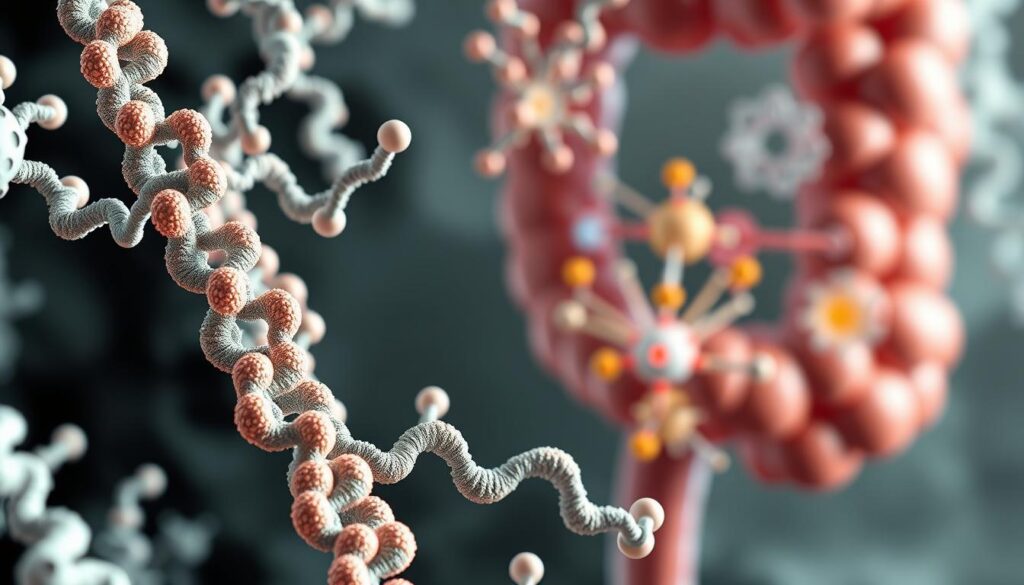
immunogenic peptides

Research shows that these gluten fragments survive the digestive process due to their high proline content. Once in the gut, they interact with tissue transglutaminase (TG2), an enzyme that modifies gluten peptides. This modification makes them more recognizable to the immune system, triggering T-cell activation and an inflammatory response.

The antigen presentation process in the intestine is a key factor in this immune reaction. Specialized cells present the modified gluten peptides to T-cells, which then initiate an attack on the intestinal lining. This process is central to the development of celiac disease and its associated conditions.

Enzyme supplements are being explored as a potential solution to this problem. These products aim to break down immunogenic peptides before they can trigger an immune response. By targeting specific gluten fragments, they may help reduce the adverse effects of accidental gluten exposure.

Key Insights on Immunogenic Peptides

  • Gluten peptides like 33-mer and 26-mer are resistant to digestion.
  • They interact with tissue transglutaminase (TG2) in the gut.
  • This interaction triggers T-cell activation and inflammation.
  • Enzyme supplements may help mitigate these effects.

Understanding the science behind gluten’s immunogenic peptides is crucial for developing effective treatments. By addressing the root cause of the immune response, researchers hope to improve the quality of life for those with celiac disease and related conditions.

Challenges of Maintaining a Gluten-Free Diet in Today’s Society

Navigating a gluten-free lifestyle in today’s world comes with unique challenges. For individuals with celiac disease or gluten sensitivity, strict dietary adherence is essential. However, the modern food landscape makes this far from easy.

Social situations often pose significant hurdles. Dining out, attending events, or even sharing meals with friends can lead to accidental exposure. Cross-contamination in kitchens is another common issue, even in gluten-free labeled products.

gluten-free diet challenges

Research shows that even minuscule amounts of gluten can trigger symptoms. This makes complete dietary compliance nearly impossible for many. Despite their best efforts, individuals often face incomplete remission due to hidden sources of gluten in processed foods.

Current treatments focus primarily on dietary avoidance, but this approach has limitations. Clinical trials highlight the difficulty of maintaining a 100% gluten-free diet. Many patients report accidental exposure, which can lead to persistent symptoms and long-term health risks.

To address these challenges, adjunctive therapies are being explored. Enzyme supplements, for example, offer an extra layer of protection. These treatments aim to break down gluten fragments before they can cause harm, providing a safety net for those with celiac disease.

Key Insights on Gluten-Free Diet Challenges

Challenge Impact
Social Situations High risk of accidental gluten exposure.
Cross-Contamination Hidden gluten in processed foods.
Minimal Gluten Exposure Triggers symptoms despite strict diet.
Limitations of Current Treatments Dietary avoidance alone is often insufficient.
Role of Enzyme Supplements Provides additional protection against accidental exposure.

Understanding these challenges is crucial for improving quality of life. By combining dietary vigilance with adjunctive therapies, individuals can better manage their condition and reduce risks.

Exploring Gluten-Degrading Enzymes: Types and Functions

The science behind gluten-degrading proteins reveals fascinating mechanisms that aid digestion. These proteins, including prolyl endopeptidases, cysteine proteases, and subtilisins, play a critical role in breaking down resistant peptides. Understanding their functions can help manage digestive health more effectively.
gluten-degrading enzymes

Prolyl endopeptidases are particularly effective in targeting gluten fragments. They work by cleaving peptide bonds, making them suitable for the acidic environment of the stomach. This stability ensures they remain active throughout the digestive process.

Cysteine proteases, on the other hand, thrive in slightly alkaline conditions. They are often found in the intestine, where they further degrade gluten peptides. Their unique mechanism complements the action of prolyl endopeptidases, providing a comprehensive approach to digestion.

Subtilisins, derived from bacterial sources, are another key player. They are known for their broad specificity and ability to function under varied conditions. This versatility makes them a valuable addition to enzyme-based treatments.

“The combination of these enzymes offers a multi-faceted approach to managing gluten-related issues, providing relief for those with sensitivities.”

Latiglutenase, a notable enzyme, has gained attention for its efficacy. Research shows it can degrade gluten fragments in the stomach and intestine, reducing their immunogenic potential. This makes it a promising option for therapeutic applications.

Key Insights on Enzyme Functions

Enzyme Type Function Optimal Environment
Prolyl Endopeptidases Cleaves peptide bonds in gluten Acidic (stomach)
Cysteine Proteases Degrades gluten in the intestine Alkaline
Subtilisins Broad specificity for gluten fragments Varied conditions
Latiglutenase Reduces immunogenic potential of gluten Stomach and intestine

By understanding these enzymes, we can better appreciate their role in digestive health. Their unique mechanisms and stability under different conditions make them essential tools for managing gluten-related issues.

what enzymes break down gluten: Key Mechanisms and Processes

The biochemical processes behind gluten digestion are both intricate and essential for managing sensitivities. Gluten’s unique peptide bonds, particularly those rich in proline and glutamine, make it resistant to typical digestive processes. Specialized proteins target these bonds, cleaving them into smaller, less problematic fragments.
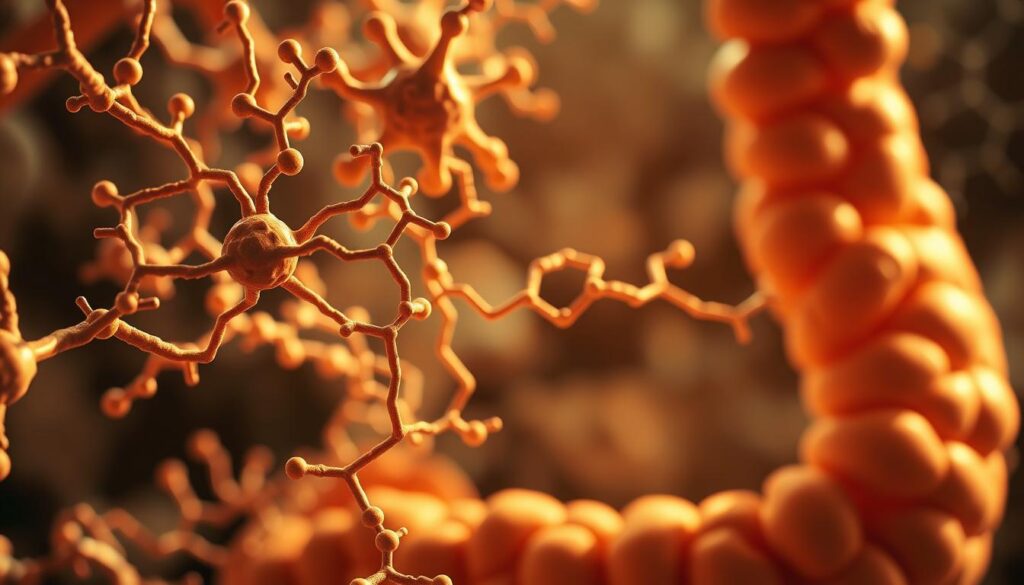
gluten digestion mechanisms

One key mechanism involves the neutralization of immunogenic gluten fragments. These fragments, if left intact, can trigger adverse reactions in individuals with gluten sensitivity. By breaking them down, enzymes reduce their potential to activate the immune system, offering relief to those affected.

Research highlights the interplay between enzyme supplements and typical food matrices. Enzymes must remain active in the acidic environment of the stomach and the alkaline conditions of the intestine. This dual stability ensures they can effectively degrade gluten throughout the digestive process.

Laboratory studies and human trials have provided valuable insights into this process. For example, enzyme supplements like prolyl endopeptidases have shown promise in reducing symptoms of gluten sensitivity. These findings underscore the importance of proper dosing and timing with dietary intake.

“Enzyme-based therapies offer a targeted approach to managing gluten-related issues, providing a safety net for accidental exposure.”

By understanding these mechanisms, individuals can better manage their dietary choices. Enzyme supplements, when used correctly, can complement a gluten-free diet, enhancing overall digestive health and quality of life.

Exploring Prolyl Endopeptidases and Their Benefits for Digestion

Prolyl endopeptidases are a game-changer for those struggling with gluten-related issues. These specialized proteins target the peptide bonds in gluten, making it easier to digest. For individuals with sensitivities, this can mean fewer symptoms and better overall health.
prolyl endopeptidases

These proteins are derived from both bacterial and fungal sources. Each source offers unique advantages. For example, bacterial prolyl endopeptidases like FM-PEP are known for their stability in acidic environments. Fungal sources, such as SC-PEP, thrive in alkaline conditions, making them effective in the intestine.

Bacterial versus Fungal Sources

Bacterial prolyl endopeptidases, like FM-PEP, are highly stable in the stomach’s acidic environment. This ensures they remain active throughout the digestive process. Fungal sources, such as SC-PEP and MX-PEP, are more effective in the intestine, where conditions are slightly alkaline.

Both sources have their strengths. Bacterial enzymes are ideal for breaking down gluten in the stomach, while fungal enzymes excel in the intestine. Combining these sources can provide a comprehensive approach to digestion.

Clinical Trials and Real-World Efficacy

Clinical trials have shown promising results for prolyl endopeptidases. For instance, studies on FM-PEP demonstrated its ability to degrade gluten peptides effectively. Real-world applications have also highlighted its potential as a complementary drug for gluten-related disorders.

However, challenges remain. Enzyme stability and dosage are critical factors. Too little enzyme may not be effective, while too much could lead to unintended side effects. Proper dosing, based on clinical data, is essential for optimal results.

“Prolyl endopeptidases offer a targeted solution for managing gluten sensitivities, backed by robust scientific evidence.”

Choosing the Right Enzyme

Selecting the right prolyl endopeptidase depends on its source and clinical efficacy. Bacterial enzymes are ideal for stomach digestion, while fungal enzymes work best in the intestine. Understanding these differences can help individuals make informed choices.

Research continues to explore new applications for these proteins. As we learn more, their role in managing gluten-related issues will likely expand, offering hope for those affected.

Source Advantages Optimal Environment
Bacterial (FM-PEP) Stable in acidic conditions Stomach
Fungal (SC-PEP) Effective in alkaline conditions Intestine
Fungal (MX-PEP) Broad specificity Intestine

Other Enzyme Options: Cysteine Proteases and Subtilisins

Beyond prolyl endopeptidases, other enzymes provide promising solutions for celiac patients. Cysteine proteases and subtilisins are two such alternatives, each with unique mechanisms for degrading gluten fragments. These enzymes can complement existing treatments, offering additional support for those with sensitivities.

Cysteine proteases, derived from sources like barley, are particularly effective in alkaline environments. They target specific peptide bonds in gluten, breaking them into smaller, less harmful fragments. This makes them ideal for the intestine, where they can further reduce the risk of immune activation.

Subtilisins, produced by Rothia bacteria, are another powerful option. Known for their broad specificity, these enzymes can function under varied conditions. Their versatility allows them to degrade gluten fragments in both the stomach and intestine, providing comprehensive digestive support.

Comparative Benefits and Limitations

Both cysteine proteases and subtilisins have their strengths. Cysteine proteases excel in the intestine, while subtilisins offer broader functionality. However, their efficacy depends on the right enzyme amount. Too little may not be effective, while too much could lead to unintended side effects.

Research highlights the real-world efficacy of these enzymes. For example, studies on cysteine proteases show their potential to reduce symptoms in celiac patients. Similarly, subtilisins have demonstrated stability in various digestive environments, making them a reliable option for enzyme supplements.

“The combination of cysteine proteases and subtilisins offers a multi-faceted approach to managing gluten-related issues, providing relief for those with sensitivities.”

Connecting to Treatment Strategies

These enzymes are not standalone solutions but can enhance existing treatment strategies. For celiac patients, they provide an extra layer of protection against accidental gluten exposure. When used alongside a gluten-free diet, they can improve digestive health and overall quality of life.

Enzyme Source Optimal Environment Key Benefit
Cysteine Proteases Barley Alkaline (Intestine) Targets specific peptide bonds
Subtilisins Rothia Bacteria Varied (Stomach and Intestine) Broad specificity

Understanding these enzymes and their mechanisms is crucial for effective gluten management. By incorporating them into treatment plans, individuals with sensitivities can achieve better digestive health and reduce risks associated with gluten exposure.

Incorporating Gluten Enzymes into a Gluten-Free Diet

Integrating enzyme supplements into a gluten-free diet can significantly enhance digestive health. For me, adding these supplements to my routine has been a game-changer. They provide an extra layer of protection against accidental exposure, which is crucial for managing sensitivities.

To maximize their therapeutic benefits, I take enzyme supplements just before meals. Research suggests this timing ensures they are active during digestion. Proper dosage is also key—too little may not be effective, while too much could cause discomfort.

Practical Tips for Integration

  • Take supplements 10-15 minutes before eating to ensure they’re active during digestion.
  • Follow dosage recommendations based on clinical studies or healthcare advice.
  • Pair enzyme supplements with a balanced dietary plan for optimal results.

The effect on my digestive health has been noticeable. I experience fewer symptoms like bloating and discomfort, even when dining out. Enzyme supplements also seem to modulate my immune response, reducing the risk of adverse reactions.

“Enzyme supplements have transformed my gluten-free journey, offering peace of mind and improved well-being.”

Selecting Complementary Products

When choosing enzyme supplements, I look for products backed by research. Certifications and third-party testing are also important. Combining these supplements with naturally gluten-free foods, like fruits and vegetables, enhances their therapeutic benefits.

Patient testimonials and expert advice have guided my approach. Many report similar improvements in digestive health and quality of life. Adjusting therapy based on personal responses is essential—what works for one person may not work for another.

By incorporating enzyme supplements into my dietary routine, I’ve found a practical solution for managing gluten sensitivities. This combination of dietary vigilance and enzyme support has made a significant difference in my overall health.

Evaluating Supplement Options: Latiglutenase, AN-PEP, and Caricain

Exploring the effectiveness of gluten enzyme supplements can provide valuable insights for those with sensitivities. These supplements, including latiglutenase, AN-PEP, and caricain, are designed to support digestion and reduce symptoms. Understanding their mechanisms and benefits can help individuals make informed choices.

Latiglutenase: A Closer Look

Latiglutenase is one of the most studied enzyme supplements for gluten sensitivity. It works by breaking down gluten fragments in both the stomach and intestine, reducing their immunogenic potential. Clinical trials have shown that it can significantly improve symptoms in individuals with celiac disease.

However, the effectiveness of latiglutenase depends on the right amount gluten consumed. Too little enzyme may not be effective, while too much could lead to unintended side effects. Proper dosing, based on clinical data, is essential for optimal results.

AN-PEP and Caricain: Additional Options

AN-PEP, derived from Aspergillus niger, is another popular enzyme supplement. It targets gluten fragments in the stomach, making it a good option for those who need support during the initial stages of digestion. Studies have shown that AN-PEP can reduce gluten levels in food, providing an extra layer of protection.

Caricain, extracted from papaya, is known for its broad specificity. It can degrade gluten fragments in both acidic and alkaline environments, making it versatile. However, like other enzyme supplements, its efficacy depends on the correct amount gluten and proper timing with meals.

Clinical Insights and Limitations

Clinical trials have provided valuable insights into the effectiveness of these enzyme supplements. For example, studies on latiglutenase have demonstrated its potential to reduce symptoms in individuals with gluten sensitivity. However, challenges remain, including enzyme stability and the need for precise dosing.

Research also highlights the limitations of enzyme supplements. While they can provide significant benefits, they are not a cure for celiac disease. They should be used as part of a comprehensive dietary plan, including a strict gluten-free diet.

“Enzyme supplements offer a targeted approach to managing gluten-related issues, but they are most effective when used alongside dietary vigilance.”

Comparative Analysis

Supplement Source Optimal Environment Key Benefit
Latiglutenase Bacterial Stomach and Intestine Reduces immunogenic potential
AN-PEP Aspergillus niger Stomach Targets gluten fragments early
Caricain Papaya Varied conditions Broad specificity

By understanding the benefits and limitations of these enzyme supplements, individuals with gluten sensitivity can make informed choices. Combining these supplements with a gluten-free diet can enhance digestive health and improve overall quality of life.

Scientific Research and Clinical Trial Insights

Recent advancements in enzyme research have shed light on new ways to manage gluten-related issues. Breakthrough studies have deepened our understanding of how enzymes like endopeptidase can degrade gluten fragments. These findings are critical for developing effective therapies for individuals with sensitivities.

Clinical trials have played a pivotal role in validating these discoveries. Over time, researchers have tested the efficacy of enzymes in breaking down gluten under various conditions. These studies highlight the potential of enzyme-based treatments to improve digestive health and reduce symptoms.

Breakthrough Studies in Gluten Digestion

One of the most significant breakthroughs involves the use of endopeptidase to target gluten peptides. Research shows that this enzyme can cleave specific bonds in gluten, reducing its immunogenic potential. This discovery has opened new avenues for therapeutic applications.

Another study focused on the stability of enzymes over time. Enzymes must remain active in the acidic environment of the stomach and the alkaline conditions of the intestine. This dual stability ensures they can effectively break gluten fragments throughout the digestive process.

“The ability of enzymes to degrade gluten in real-time is a game-changer for those with sensitivities.”

Challenges for Therapeutic Application

Despite these advancements, challenges remain. One major hurdle is optimizing enzyme dosage. Too little enzyme may not be effective, while too much could lead to unintended side effects. Researchers are working to determine the ideal amount for therapeutic use.

Another challenge is ensuring enzyme stability over time. Enzymes must retain their activity from production to consumption. This requires innovative formulation techniques and rigorous testing to maintain efficacy.

Importance of Enzyme Kinetics and Stability

Enzyme kinetics play a crucial role in their effectiveness. The rate at which enzymes degrade gluten fragments can determine their therapeutic potential. Researchers are studying these kinetics to develop more potent and reliable treatments.

Stability is equally important. Enzymes must withstand varying pH levels and temperatures to remain active during digestion. Advances in biotechnology are helping to enhance enzyme stability, making them more viable for therapeutic use.

Ongoing Research and Future Directions

Ongoing research is critical for overcoming current therapeutic hurdles. Scientists are exploring new enzyme sources and formulations to improve efficacy. For example, combining different enzymes like endopeptidase and cysteine proteases could offer a more comprehensive approach.

Future studies will focus on optimizing enzyme delivery methods. This includes developing supplements that release enzymes at the right time and location in the digestive tract. Such innovations could significantly enhance treatment outcomes.

Challenge Solution
Enzyme Dosage Optimize based on clinical data.
Stability Over Time Develop advanced formulation techniques.
Enzyme Kinetics Study degradation rates for better efficacy.
Delivery Methods Create targeted release mechanisms.

By addressing these challenges, researchers hope to develop more effective enzyme therapies. These advancements could transform the way we manage gluten-related issues, offering hope for those affected.

Safety Considerations When Using Gluten Enzyme Supplements

Safety is a top priority when considering enzyme supplements for digestive health. While these products offer potential benefits, understanding their safety profile is essential. This includes evaluating potential risks, allergens, and regulatory perspectives.

Understanding Potential Risks and Allergens

Gluten enzyme supplements, while helpful, may pose certain risks. Ingredients like barley-derived proteases can trigger allergic reactions in sensitive individuals. Similarly, enzymes sourced from aspergillus niger may cause adverse effects in those with mold allergies.

Clinical trials, including placebo-controlled studies, have scrutinized these risks. Some participants reported mild side effects like bloating or discomfort. However, severe reactions are rare when supplements are used as directed.

“Consulting a healthcare professional before starting enzyme therapy is crucial to minimize risks and ensure safety.”

Regulatory Perspectives and FDA Insights

The FDA regulates dietary supplements, including gluten enzymes, under specific guidelines. While these products are generally recognized as safe, they are not subject to the same rigorous testing as prescription drugs. This underscores the importance of choosing reputable brands and verifying third-party testing.

Current FDA insights emphasize transparency in labeling. Consumers should look for clear ingredient lists and avoid products with undisclosed additives. This helps reduce the risk of unintended allergic reactions or interactions.

Key Safety Recommendations

  • Always consult a healthcare professional before starting enzyme supplements.
  • Check for allergens like barley or aspergillus niger in the ingredient list.
  • Choose products with third-party testing and clear labeling.
  • Monitor for side effects and discontinue use if adverse reactions occur.
Safety Factor Recommendation
Allergens Avoid supplements with known allergens like barley or aspergillus niger.
Consultation Seek professional advice before starting therapy.
Labeling Choose products with transparent ingredient lists.
Monitoring Watch for side effects and adjust usage as needed.

By prioritizing safety, individuals can make informed decisions about enzyme supplementation. Combining professional guidance with careful product selection ensures a positive experience and supports digestive health.

Tips for Enhancing Digestive Health with Dietary Strategies

Improving digestive health starts with smart dietary choices and mindful eating habits. Over the years, I’ve discovered practical strategies that have made a significant difference in my gut health. These tips, backed by research and personal experience, can help you feel your best.

Personal Tips for Better Digestion

One of the most effective changes I made was incorporating enzyme supplements as a beneficial addition to my diet. These supplements help break down complex foods, making digestion smoother. Pairing them with a balanced meal plan has been a game-changer for me.

Another key strategy is choosing the right bread. Opting for gluten-free options made from whole grains like quinoa or brown rice has improved my gut health. These choices are easier on the intestine and provide essential nutrients.

Foods to Avoid for a Healthy Intestine

Certain foods can irritate the intestine and worsen digestive symptoms. I’ve learned to avoid processed foods, sugary snacks, and anything with artificial additives. Instead, I focus on whole, natural foods that support gut health.

“Mindful eating and proper meal planning are essential for maintaining a healthy digestive system.”

Meal Planning and Mindful Eating

Planning meals ahead of time ensures I stay on track with my dietary goals. I combine gluten-free bread, lean proteins, and plenty of vegetables for balanced nutrition. Portion control and eating slowly also help optimize digestion.

By integrating these strategies, I’ve seen a noticeable improvement in my digestive health. Whether it’s adding enzyme supplements or choosing the right bread, small changes can make a big impact.

Future Directions in Gluten-Enzyme Research and Therapy

The future of gluten research is shaping up to be transformative, with groundbreaking innovations on the horizon. Scientists are exploring new ways to enhance enzyme performance, making it easier for individuals with sensitivities to enjoy a better quality of life. From genetic modifications to advanced coating technologies, these advancements promise to revolutionize how we manage gluten-related disorders.

Emerging Trends and Innovations

One of the most exciting developments is the use of genetic modification to create more effective enzymes. Researchers are engineering prolyl endopeptidases to withstand harsh digestive conditions, ensuring they remain active throughout the digestive tract. This could significantly improve their ability to break down gluten fragments, reducing the risk of adverse reactions.

Another promising innovation is enteric coating technology. This method involves coating enzyme supplements to protect them from stomach acid, allowing them to release in the intestine where they’re most needed. This targeted approach enhances enzyme stability and efficacy, offering a more reliable solution for those with sensitivities.

“The combination of genetic modification and enteric coating could redefine how we approach gluten-related therapies, offering hope for millions.”

Anticipated Developments in Formulation Strategies

Future formulations may include multi-enzyme blends designed to target different gluten fragments. For example, combining prolyl endopeptidases with cysteine proteases could provide a more comprehensive approach to digestion. Researchers are also exploring ways to optimize enzyme delivery, ensuring they’re released at the right time and location in the digestive tract.

These advancements could transform everyday life for those with gluten-related disorders. Imagine being able to enjoy a slice of dough without worrying about adverse reactions. Improved enzyme performance could make this a reality, offering a new level of freedom and comfort.

Predictions Based on Current Research

As research progresses, we can expect more personalized enzyme therapies tailored to individual needs. Advances in biotechnology will likely lead to more stable and potent enzymes, reducing the need for strict dietary restrictions. These innovations could revolutionize the management of celiac disease, providing a safer and more effective solution for those affected.

Innovation Potential Impact
Genetic Modification Enhances enzyme stability and efficacy.
Enteric Coating Targets enzyme release in the intestine.
Multi-Enzyme Blends Provides comprehensive gluten digestion.
Personalized Therapies Tailors treatment to individual needs.

By embracing these innovations, we can look forward to a future where gluten-related disorders are more manageable. The combination of cutting-edge research and advanced technologies offers hope for a healthier, more inclusive world.

Conclusion

Managing gluten-related issues requires a deep understanding of how specific proteins interact with the immune system. Throughout this article, I’ve explored the science behind these proteins, their mechanisms, and their potential to support digestive health. From their role in breaking down complex fragments to their use in clinical trials, the findings highlight their promise as a complementary therapy.

Enzyme supplements, when paired with a strict gluten-free diet, can offer significant relief for those with sensitivities. However, continued research is essential to refine their effectiveness and ensure safety. Staying informed and consulting healthcare professionals before starting any new therapy is crucial.

As scientific progress continues, the future of enzyme-based treatments looks promising. By combining dietary vigilance with innovative therapies, individuals can achieve better digestive health and improve their quality of life. Let’s embrace these advancements and look forward to a healthier future.

FAQ

What is gluten, and why is it problematic for some people?

Gluten is a protein found in wheat, barley, and rye. For individuals with celiac disease or gluten sensitivity, it triggers an immune response, leading to symptoms like stomach pain, bloating, and damage to the small intestine.

How do gluten-degrading enzymes work in the body?

These enzymes, such as prolyl endopeptidase, target specific bonds in gluten proteins. They help break down immunogenic peptides, reducing the risk of adverse reactions in sensitive individuals.

Are gluten enzyme supplements safe to use?

Most supplements, like latiglutenase and AN-PEP, are generally safe. However, it’s essential to consult a healthcare provider, especially if you have allergies or are taking other medications.

Can gluten enzymes replace a gluten-free diet?

No, they are not a substitute for a gluten-free diet. While they can help manage accidental exposure, they do not eliminate the need for strict dietary adherence in conditions like celiac disease.

What are the most effective gluten-degrading enzymes?

Prolyl endopeptidases, derived from bacterial or fungal sources like Aspergillus niger, are widely studied. Other options include cysteine proteases and subtilisins, which also show promise in clinical trials.

How do I choose the right gluten enzyme supplement?

Look for products backed by research, such as latiglutenase or AN-PEP. Check for third-party testing, allergen information, and consult your doctor to ensure it aligns with your health needs.

What are the latest advancements in gluten enzyme research?

Recent studies focus on improving enzyme stability and efficacy in the stomach. Innovations like combination therapies and engineered enzymes are paving the way for better treatment options.

Can gluten enzymes help with non-celiac gluten sensitivity?

Yes, they may alleviate symptoms in individuals with gluten sensitivity by breaking down problematic proteins before they reach the intestine. However, results can vary based on individual tolerance.
Myketotricks.com
Logo
Compare items
  • Total (0)
Compare
0
Shopping cart