
Maintaining a healthy gut is essential for overall well-being, and for those avoiding gluten, finding the right products can be a challenge. My journey to better digestive health began when I realized how much gluten, a protein found in wheat, barley, and rye, affected my system. I knew I needed to find solutions that supported my gut without compromising my dietary needs.
Choosing the right options requires careful attention to labels and certifications. Many people with celiac disease or gluten sensitivity rely on these products to maintain a balanced gut microbiota. Research shows that certain ingredients can aid in breaking down gluten and supporting the immune system, making them a valuable addition to a gluten-free lifestyle.
In this guide, I’ll share my top picks and tips for selecting the best products. Understanding fermentation processes and label verification is key to avoiding contamination and ensuring the best results for your gut health.
Key Takeaways
- Gut health is crucial for overall wellness, especially for those avoiding gluten.
- Gluten is a protein found in wheat, barley, and rye that can affect digestion.
- Certified products are essential for those with celiac disease or gluten sensitivity.
- Research highlights the benefits of specific ingredients for gut and immune support.
- Reading labels carefully helps avoid contamination and ensures quality.
Understanding Gluten and Its Impact on Digestive Health
Gluten, a common protein in many foods, can have a significant impact on gut health. Found naturally in wheat, rye, and barley, it’s a staple in many everyday products. For those with sensitivities, gluten can trigger digestive issues and inflammatory responses.
What is Gluten?
Gluten is a protein that gives dough its elasticity and helps it rise. It’s found in grains like wheat, rye, and barley. Many processed foods contain gluten, making it a common part of modern diets. However, for some individuals, this protein can cause serious health problems.
Effects on Gut Health
For people with celiac disease or gluten sensitivity, gluten can damage the intestinal lining. This leads to symptoms like bloating, diarrhea, and nutrient malabsorption. Research shows that gluten can also trigger inflammation, further harming gut health.
Processing methods can sometimes introduce contamination, even in products labeled as safe. This makes it crucial to read labels carefully. Look for certifications to ensure the product meets strict standards.
Here are some tips for identifying safe options:
- Check for gluten-free certifications on the label.
- Read ingredient lists thoroughly to avoid hidden sources of gluten.
- Choose products from trusted brands with clear labeling practices.
Understanding gluten’s role in your diet is essential for maintaining a healthy gut. By making informed choices, you can support your digestive system and overall well-being.
Why I Embraced a Gluten-Free Diet
My journey to better health began when I noticed persistent digestive issues that disrupted my daily life. Bloating, fatigue, and stomach pain became constant companions, making it hard to focus on anything else. After consulting with a healthcare professional, I learned that gluten might be the culprit.

Eliminating gluten from my diet was a game-changer. Within weeks, I noticed a significant improvement in my digestive health. The bloating subsided, my energy levels increased, and I felt more like myself again. This transformation motivated me to stick with this lifestyle.
One of the most important lessons I learned was controlling the amount of gluten in my diet. Even trace amounts could trigger adverse reactions, so I became meticulous about reading labels. Hidden sources of gluten, like sauces and processed foods, were often the hardest to identify.
Transitioning to a gluten-free lifestyle wasn’t easy at first. I had to relearn how to shop for groceries and prepare meals. However, the benefits to my health made it worthwhile. Reliable product labels became my best friend, guiding me to safe choices and ensuring I avoided contamination.
Here are a few tips that helped me along the way:
- Always check for gluten-free certifications on labels.
- Be cautious of cross-contamination in shared kitchen spaces.
- Focus on whole, unprocessed foods to minimize risks.
Today, I feel more in control of my health than ever before. By understanding the impact of gluten and making informed choices, I’ve been able to support my digestive system and overall well-being. It’s a journey worth taking for anyone struggling with similar issues.
Benefits of Probiotics for Gut Health
Supporting digestive health goes beyond just what we eat; it’s about how we nourish our gut. Probiotics play a vital role in maintaining this balance, especially for those following a gluten-free diet. These beneficial bacteria help restore harmony in the gut microbiome, which is essential for overall wellness.

Research shows that probiotics can stabilize the gut environment by replenishing good bacteria. This is particularly helpful for individuals with gluten sensitivity, as it can reduce inflammation and improve digestive function. By supporting the gut lining, probiotics also aid in nutrient absorption and immune health.
Role in Digestive Balance
One of the key benefits of probiotics is their ability to restore digestive balance. They work by crowding out harmful bacteria and promoting the growth of beneficial ones. This process helps mitigate the inflammatory response often triggered by gluten sensitivity.
Many products undergo rigorous testing to ensure they are free from contamination. This is crucial for those who need to avoid gluten entirely. Strict manufacturing practices, such as dedicated facilities and third-party certifications, help guarantee the safety and quality of these products.
Here are some ways probiotics support gut health:
- They enhance the gut’s ability to break down gluten particles, reducing sensitivity.
- They strengthen the intestinal barrier, preventing harmful substances from entering the bloodstream.
- They improve overall digestive function, reducing symptoms like bloating and discomfort.
Combining a gluten-free lifestyle with targeted probiotic strains can lead to significant improvements in gut health. By choosing products that adhere to strict standards, you can ensure you’re getting the most out of your efforts.
Gluten and Gut Microbiome: What I Learned
Understanding the connection between gluten and gut health has been a pivotal part of my journey. For those with celiac disease, the impact of gluten on the gut microbiome is profound. It’s not just about avoiding certain foods; it’s about understanding how this protein disrupts the delicate balance of gut bacteria.
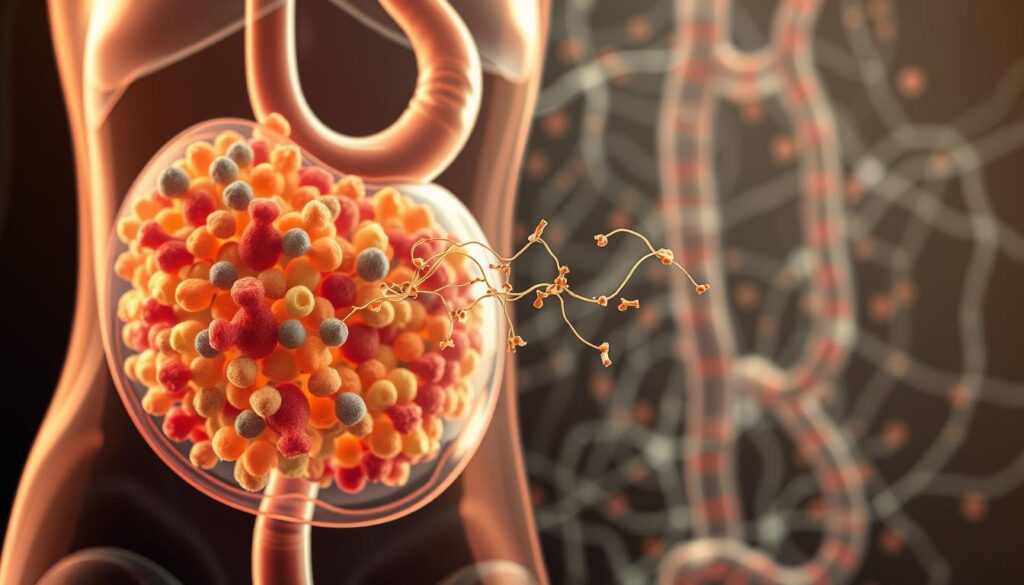
Research shows that even strict adherence to a gluten-free diet doesn’t always fully restore the gut microbiome. Studies reveal persistent imbalances in gut bacteria among individuals with celiac disease, despite dietary changes. This highlights the complexity of gut restoration and the need for additional strategies.
Challenges in Microbiome Restoration
One of the biggest challenges I’ve observed is the incomplete recovery of the gut microbiome. Even after eliminating gluten, many people continue to experience symptoms like bloating, fatigue, and inflammation. Clinical trials suggest that these persistent issues may stem from ongoing microbial imbalances.
Here’s a breakdown of the key challenges:
- Gluten-induced inflammation can damage the gut lining, making it harder for beneficial bacteria to thrive.
- Even trace amounts of gluten can disrupt the microbiome, especially in sensitive individuals.
- Restoring a healthy balance requires more than just dietary changes; it often needs complementary therapies.
To address these gaps, I’ve explored the role of probiotics in supporting gut restoration. While a gluten-free diet is essential, it may not be enough on its own. Probiotics can help replenish beneficial bacteria and reduce inflammation, offering a more holistic approach to gut health.
| Challenge | Impact | Solution |
|---|---|---|
| Incomplete microbiome restoration | Persistent symptoms like bloating and fatigue | Probiotics to replenish beneficial bacteria |
| Gluten-induced inflammation | Damage to the gut lining | Anti-inflammatory therapies |
| Trace gluten exposure | Disruption of microbial balance | Strict dietary controls and label reading |
By combining a gluten-free diet with targeted probiotics, I’ve seen significant improvements in my gut health. It’s a reminder that restoring balance is a multifaceted process, requiring both dietary and therapeutic interventions.
Choosing the Right Probiotic Supplement for a Gluten-Free Diet
Selecting the right products for a gluten-free lifestyle requires careful attention to detail and understanding of labels. Over time, I’ve learned that not all products labeled as safe are truly free from gluten. This makes it essential to verify every detail before making a purchase.
Tips for Reading Supplement Labels
Reading labels thoroughly is the first step in ensuring a product is safe. I always look for certifications like “Certified Gluten-Free” or “GFCO” to confirm its status. Hidden ingredients, such as maltodextrin or modified food starch, can sometimes contain gluten, so I scrutinize every line.
Here are my top tips for label reading:
- Check for third-party certifications to ensure compliance with strict standards.
- Avoid products with vague ingredient lists or unclear sourcing practices.
- Look for allergen statements that explicitly mention gluten-free status.
Avoiding Gluten Contamination
Manufacturing practices play a significant role in preventing contamination. I prioritize products made in dedicated facilities to minimize cross-contact risks. Even trace amounts of gluten can trigger reactions, so I stick to brands with transparent processes.
Here’s a quick guide to identifying safe manufacturing practices:
| Practice | Benefit |
|---|---|
| Dedicated facilities | Reduces risk of cross-contamination |
| Third-party testing | Ensures product meets gluten-free standards |
| Clear labeling | Provides transparency about ingredients and processes |
By following these steps, I’ve been able to confidently choose products that support my gut health without compromising my diet. It’s a process that requires diligence, but the results are worth it.
gluten‐free probiotic supplements
Navigating the world of gut health products can be overwhelming, especially when avoiding certain ingredients. Over time, I’ve discovered that the key to success lies in understanding the specific strains and components that make a product effective and safe.
Top Ingredients to Look For
When selecting a product, I prioritize specific strains known for their efficacy. Lactobacillus and Bifidobacterium are two of the most researched strains. They help alleviate common symptoms like bloating, discomfort, and irregular digestion.
Another essential factor is ensuring the product is free from wheat-derived components. Even trace amounts can trigger adverse reactions in sensitive individuals. I always check for third-party certifications to confirm the absence of wheat and other allergens.
Here’s a breakdown of the top strains and their benefits:
- Lactobacillus acidophilus: Supports gut lining and reduces inflammation.
- Bifidobacterium lactis: Enhances nutrient absorption and improves immune function.
- Saccharomyces boulardii: Helps restore balance after digestive disruptions.
Manufacturing practices also play a crucial role. I prefer products made in dedicated facilities to minimize cross-contamination risks. Trusted brands with transparent labeling and rigorous testing are my go-to choices.
Here’s a quick comparison of top brands based on quality and safety:
| Brand | Key Features |
|---|---|
| Brand A | Certified gluten-free, third-party tested, multiple strains |
| Brand B | Dedicated facility, allergen-free, high CFU count |
| Brand C | Clinically validated, easy-to-digest capsules, no fillers |
By focusing on these factors, I’ve been able to find products that support my gut health without compromising my dietary needs. It’s a process that requires diligence, but the results are worth it.
Step-by-Step Guide to Selecting Probiotic Supplements
Finding the right product for gut health can feel overwhelming, but a structured approach makes it easier. Over time, I’ve developed a system to ensure I choose high-quality options that meet my needs. Here’s how I do it.
Research and Product Reviews
Independent reviews are my first stop when evaluating a product. They provide real-world insights into effectiveness and potential side effects. I also look for feedback from users with similar health goals to mine.
Clinical trials and lab test results are equally important. These studies confirm the product’s efficacy and safety. I prioritize options backed by scientific research, as they offer more reliable results.
Here’s my step-by-step process:
- Check bacteria counts: A higher CFU (colony-forming units) count often indicates a more potent product.
- Scrutinize manufacturing methods: Dedicated facilities and third-party testing reduce contamination risks.
- Compare nutrients: Ensure the product contains essential strains like Lactobacillus and Bifidobacterium.
- Verify gluten-free standards: Look for certifications to confirm the absence of gluten.
Personal experience has taught me the importance of diligence. Once, I overlooked a product’s allergen statement and ended up with a reaction. Now, I double-check every detail before making a purchase.
By following these steps, I’ve been able to find products that support my gut health effectively. It’s a process that requires patience, but the results are worth it.
How to Incorporate Probiotic Supplements into My Daily Routine
Incorporating gut-supporting products into my daily routine has transformed my digestive health. Over time, I’ve learned that timing, dosage, and consistency are crucial for maximizing benefits. Here’s how I’ve integrated these practices into my life.
Timing and Dosage Considerations
Taking these products at the right time has been a game-changer for me. I’ve found that consuming them with meals enhances protein digestion and nutrient absorption. This approach ensures that the active ingredients reach the small intestinal area effectively.
Determining the correct dosage is equally important. I started with a lower amount and gradually increased it based on my body’s response. This method helps minimize the risk of overconsumption and allows me to monitor any changes in my symptoms.
Practical Daily Tips
Consistency is key when it comes to gut health. I make it a habit to take my supplements at the same time every day. This routine helps my body adapt and ensures I don’t miss a dose.
Here are some practical tips I follow:
- Pair supplements with meals to improve protein breakdown and absorption.
- Keep a journal to track symptoms and adjust dosage as needed.
- Store products properly to maintain their potency and effectiveness.
By integrating these practices into my daily life, I’ve seen significant improvements in my digestive health. It’s a simple yet effective way to support overall well-being.
| Practice | Benefit |
|---|---|
| Take with meals | Enhances protein digestion |
| Start with low dosage | Reduces risk of side effects |
| Track symptoms | Helps fine-tune regimen over time |
Understanding the Science Behind Probiotic Efficacy
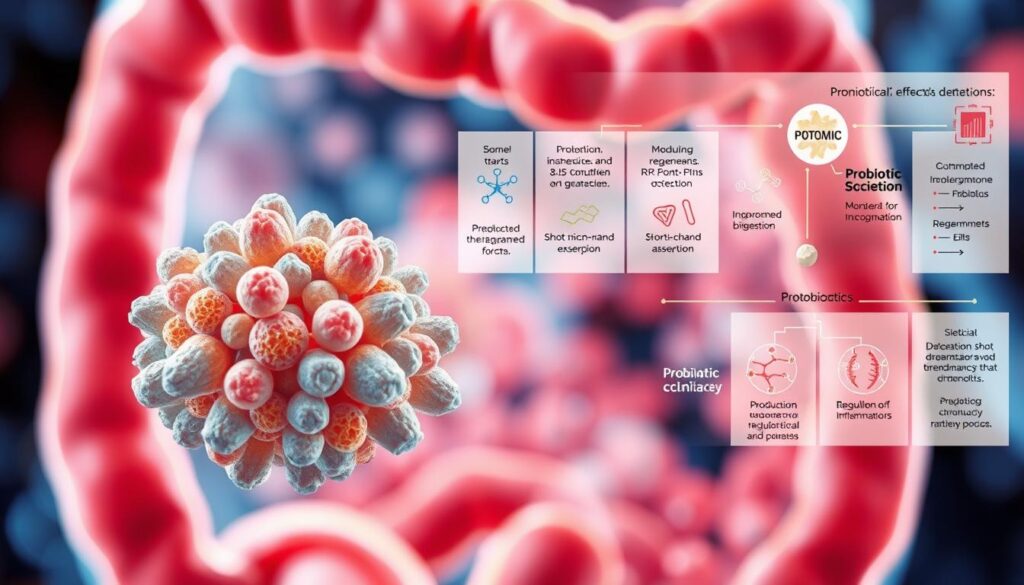
The science behind how certain enzymes interact with gluten has fascinated me and transformed my approach to gut health. Research shows that specific enzymes can break down gluten peptides, particularly the immunogenic 33-mer gliadin fragment. This process, known as gluten hydrolysis, reduces adverse reactions and supports intestinal healing.
Enzymatic Actions and Gluten Hydrolysis
Enzymes play a crucial role in breaking down gluten proteins into smaller, less harmful fragments. These fragments are easier for the body to process, reducing inflammation and promoting gut health. Studies highlight that enzyme combinations are more effective than single-strain options, offering a comprehensive approach to managing gluten sensitivity.
Here’s how this process works:
- Enzymatic breakdown: Specific enzymes target gluten peptides, breaking them down throughout the day.
- Reduced inflammation: Smaller fragments are less likely to trigger immune responses.
- Intestinal healing: The gut lining can repair itself more effectively when inflammation is minimized.
Clinical trials have demonstrated the effectiveness of these enzyme combinations. For example, one study found that participants experienced significant symptom relief when using multi-enzyme products. This aligns with my own experience, where I noticed reduced bloating and improved digestion after incorporating these products into my routine.
By understanding the science behind these processes, I’ve been able to make