
Maintaining a balanced digestive system is crucial for overall wellness. I’ve created this guide to help you understand the importance of these supplements and how they can support your body. Whether you’re new to this topic or looking for expert-backed recommendations, this article is for you.
I’ve carefully selected products that are backed by research and expert accreditation. Each supplement featured here has been chosen for its quality, effectiveness, and evidence-based benefits. My goal is to provide you with reliable information to make informed decisions.
This guide is designed for anyone curious about how these supplements can enhance their daily routine. From understanding their role in digestion to exploring top picks, I’ve got you covered. Let’s dive into the details and find the right fit for your needs.
Key Takeaways
- Learn why these supplements are essential for digestive balance.
- Discover expert-recommended products for optimal results.
- Understand the importance of quality and research-backed benefits.
- Find the right supplement to support your wellness journey.
- Get insights into how these products can enhance your daily routine.
Introduction: The Importance of Gut Health
Your body’s wellness starts with a balanced internal ecosystem. A thriving digestive system does more than process food—it plays a vital role in your overall vitality. From supporting your immune system to influencing your mood, the gut is a powerhouse of health.

Benefits Beyond Digestion
Many people think of the gut as just a digestive organ, but its impact goes far beyond that. A healthy internal environment can boost metabolism, helping your body process nutrients efficiently. It also strengthens your immune system, making you less susceptible to illnesses.
Research shows that the gut and brain are closely connected. A balanced microbial community can positively affect mental wellness, reducing stress and improving mood. “The gut is often called the second brain for a reason,” says a leading nutrition expert.
“Its health directly influences your energy levels and emotional resilience.”
The Role of a Balanced Microbiome
A diverse community of bacteria is essential for maintaining this balance. These microorganisms help break down food, produce essential nutrients, and protect against harmful pathogens. When your microbiome is in harmony, you’re more likely to experience sustained energy and overall well-being.
Lifestyle and diet play a crucial role in nurturing this balance. Eating fiber-rich foods, staying hydrated, and managing stress can all contribute to a healthier internal ecosystem. By prioritizing your gut, you’re investing in a stronger, more resilient version of yourself.
What Are Probiotics and How They Work
Understanding the role of live microorganisms in our body can transform your approach to wellness. These tiny helpers, known as probiotics, are essential for maintaining a balanced internal environment. Let’s explore what they are and how they function to support your system.
Defining Probiotics
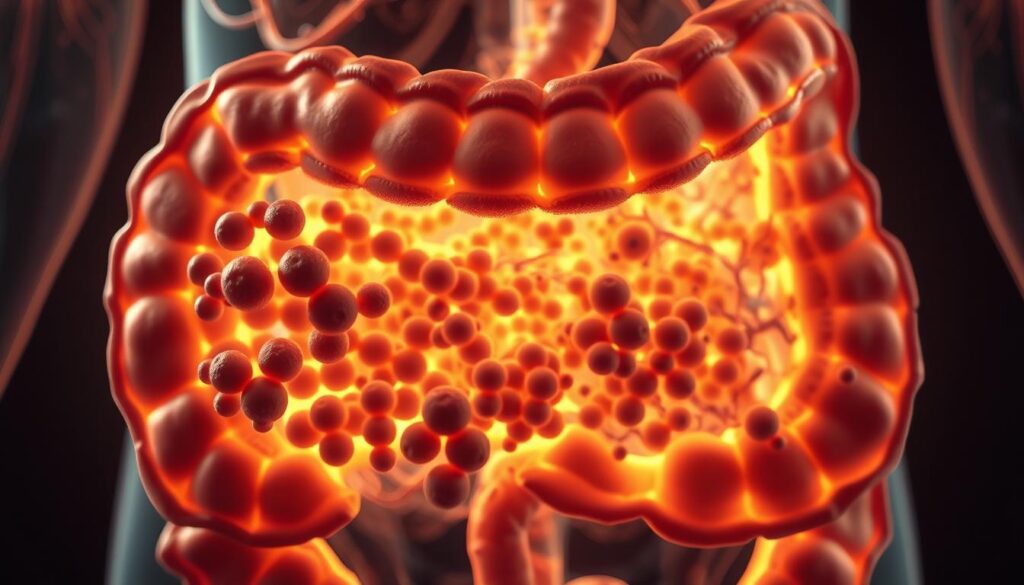
Probiotics are live microorganisms that provide benefits when consumed in adequate amounts. They are often referred to as “good bacteria” because they help maintain harmony in your digestive system. These microbes can be found in certain foods, like yogurt, or taken as supplements.
Their primary role is to support the microbiome, the community of bacteria living in your body. A healthy microbiome is crucial for digestion, nutrient absorption, and immune function. By introducing beneficial bacteria, probiotics help counteract imbalances caused by poor diet, stress, or antibiotics.
Mechanisms of Action in the Gut
Probiotics work in several ways to promote a healthy internal environment. They compete with harmful bacteria, preventing them from thriving. This competition helps restore balance and reduces inflammation in the digestive tract.
Specific probiotic strains, like Lactobacillus acidophilus, produce substances that create an inhospitable environment for pathogens. They also strengthen the gut lining, which acts as a barrier against toxins and harmful microbes.
Another key mechanism is their ability to survive the digestive process. These microorganisms reach the intestines alive, where they can exert their beneficial effects. This survival is essential for their role in improving digestion and supporting overall health.
By interacting with the microbiome, probiotics enhance nutrient absorption and reduce discomfort. They also produce short-chain fatty acids, which provide energy for the cells lining the gut. This process further supports a healthy digestive system.
How to Choose the Best Probiotics for Gut Health
Selecting the right supplement can make a significant difference in your wellness journey. With so many options available, it’s essential to focus on quality, strain diversity, and formulation. Here’s how to make an informed decision that aligns with your needs.

Key Probiotic Strains to Look For
Not all strains are created equal. Some have been extensively studied and validated for their benefits. Lactobacillus acidophilus is known for supporting digestion, while Bifidobacterium bifidum helps maintain a balanced internal environment.
Another effective strain is Saccharomyces boulardii, which is particularly useful for addressing occasional discomfort. When choosing a supplement, look for these scientifically backed strains to ensure you’re getting the most out of your probiotic supplement.
Evaluating Supplement Quality and Potency
Quality starts with the ingredients. Check the label for a diverse blend of strains and a high CFU (colony-forming units) count. A quality product will also specify the strains used and their benefits.
Manufacturing processes matter too. Look for supplements that are third-party tested and stored in protective packaging to ensure potency. “A well-formulated blend can make all the difference in achieving desired results,” says a leading nutrition expert.
Finally, consider your specific needs. Whether you’re looking for digestive support or immune system enhancement, there’s an option tailored to your goals. By focusing on these factors, you can confidently choose a supplement that works for you.
Buyer’s Guide Essentials for Probiotic Supplements
Not all supplements are created equal—knowing what to look for is key. When selecting a probiotic supplement, focus on features that ensure quality and effectiveness. From ingredient lists to serving sizes, every detail matters in achieving the desired results.
Important Supplement Features and Ingredients
A high-quality supplement should include a diverse blend of strains, each with proven benefits. Look for Lactobacillus and Bifidobacterium strains, which are well-researched for their roles in supporting internal balance. The CFU (colony-forming units) count is another critical factor—aim for at least 10 billion CFUs for optimal effectiveness.
Additional nutrients, like prebiotics, can enhance the performance of your health supplement. These ingredients work together to create a supportive environment for beneficial bacteria. Always check the label for third-party testing and protective packaging to ensure potency.
- Serving Size: Follow the recommended dosage to avoid overuse or underuse.
- CFU Count: Higher CFUs are generally better, but balance is key.
- Additional Nutrients: Prebiotics and vitamins can boost effectiveness.
- Storage: Choose supplements stored in protective packaging to maintain freshness.
When you take supplement consistently, you’re more likely to see measurable improvements. Integrate it into your daily routine by pairing it with meals or setting a reminder. This simple habit can make a significant difference in your wellness journey.
Top Product Picks and Recommendations
Finding the right supplement can transform your daily routine and support your wellness goals. I’ve curated a list of top products reviewed by experts to help you make an informed choice. These picks are backed by research and offer excellent value for their price.

Editor-Reviewed Top Picks
After evaluating numerous options, I’ve narrowed down the list to three standout products. Nutravita’s probiotic supplement is a favorite for its diverse strain blend and high CFU count. Bio-Kult offers a unique formula with 14 strains, making it ideal for daily use. Another excellent choice is Garden of Life, known for its organic ingredients and digestive support.
Price Range and Value Analysis
Here’s a breakdown of the price range and value for each product:
| Product | Price | Key Features |
|---|---|---|
| Nutravita | $25 | 20 billion CFUs, 10 strains |
| Bio-Kult | $30 | 14 strains, supports immune health |
| Garden of Life | $35 | Organic, 50 billion CFUs |
Product Benefits and Usage Tips
Each of these products offers unique benefits. Nutravita is great for daily use, while Bio-Kult excels in supporting immune function. Garden of Life is perfect for those seeking organic options. “Consistency is key to seeing results,” says a nutrition expert. Take your supplement at the same time every day for maximum effectiveness.
Studies show that these products can improve digestion and enhance overall well-being. For example, a recent study highlighted the effectiveness of Nutravita’s strain blend in reducing discomfort. By incorporating these tips into your routine, you can make the most of your supplement and enjoy its full benefits.
Probiotics for Specific Health Concerns
Managing digestive discomfort can be challenging, but targeted solutions exist. Many people experience symptoms like bloating, gas, and irregular bowel movements. These issues can stem from conditions such as irritable bowel syndrome (IBS), which affects millions worldwide.

Addressing IBS, Bloating, and Constipation
Irritable bowel syndrome is a common condition characterized by symptoms like abdominal pain, bloating, and changes in bowel habits. For those with IBS, finding relief can be life-changing. Research shows that certain strains of beneficial bacteria can help manage these symptoms effectively.
For example, Bifidobacterium infantis has been shown to reduce bloating and discomfort in individuals with irritable bowel. Similarly, Lactobacillus plantarum can alleviate gas and improve overall digestive function. These strains work by restoring balance to the internal ecosystem, reducing inflammation, and supporting gut lining integrity.
Constipation and diarrhea are also common concerns. Strains like Bifidobacterium lactis can help regulate bowel movements, making them a valuable addition to your routine. “Targeted probiotic use can significantly improve quality of life for those with digestive issues,” says a leading gastroenterologist.
- Bloating: Strains like Bifidobacterium infantis can reduce discomfort.
- Gas: Lactobacillus plantarum helps alleviate this symptom.
- Constipation: Bifidobacterium lactis supports regularity.
- Diarrhea: Certain strains can help restore balance quickly.
By choosing the right supplement, you can address these issues effectively. Real-world case studies show significant improvements in symptom management, highlighting the potential of targeted probiotic use.
The Science Behind Probiotics and Gut Health
Scientific advancements have shed light on the profound impact of beneficial bacteria on our well-being. Research continues to uncover how these microorganisms influence not only digestion but also broader aspects of health, from immunity to mental wellness. Let’s explore the latest findings and clinical evidence that support their role in maintaining a balanced internal environment.
Recent Research and Study Highlights
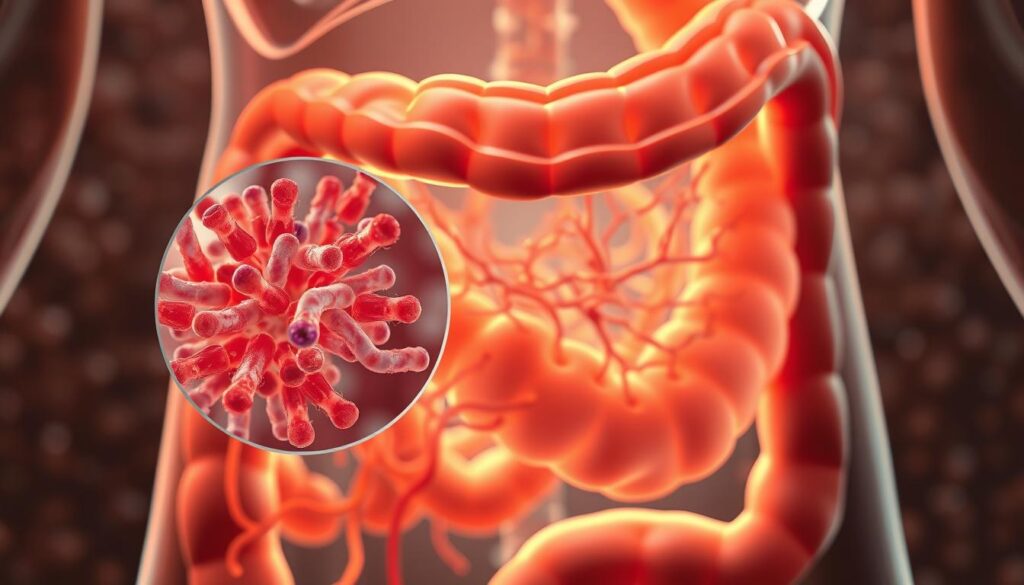
A recent study published in a leading medical journal highlighted the role of beneficial bacteria in reducing inflammation. Researchers found that specific strains can strengthen the gut lining, preventing harmful substances from entering the bloodstream. This process is crucial for maintaining overall health and preventing chronic disease.
Another groundbreaking study examined the connection between the microbiome and mental health. The findings revealed that a balanced internal environment can reduce symptoms of anxiety and improve mood. “The gut-brain axis is a powerful pathway that influences emotional resilience,” noted the lead researcher.
Clinical Evidence Supporting Probiotic Use
Clinical trials have consistently shown the benefits of targeted bacterial support. For example, one trial demonstrated that certain strains can alleviate symptoms of irritable bowel syndrome, such as bloating and discomfort. Participants reported significant improvements in their quality of life after consistent use.
Another trial focused on the immune system, revealing that beneficial bacteria can enhance the body’s ability to fight infections. This is particularly important for individuals with compromised immunity or chronic conditions.
- Inflammation Reduction: Specific strains strengthen the gut lining, preventing harmful substances from entering the bloodstream.
- Mental Health: A balanced microbiome can reduce anxiety and improve mood.
- Digestive Comfort: Clinical trials show relief from irritable bowel syndrome symptoms.
- Immune Support: Beneficial bacteria enhance the body’s ability to fight infections.
These findings underscore the importance of maintaining a healthy internal ecosystem. By incorporating evidence-based solutions into your routine, you can support your body’s natural defenses and improve overall well-being.
Expert Insights on Probiotic Supplementation
Expert advice can make a world of difference when choosing the right supplement. Registered dietitians like Maggie Moon, RD, and Ella Davar, RD, share their knowledge to help you optimize your daily routine. Their insights ensure you make informed decisions tailored to your needs.

Advice From Registered Dietitians
Maggie Moon emphasizes the importance of selecting a supplement based on your specific health goals. “It’s not just about taking any product—it’s about finding the right one for you,” she says. This personalized approach ensures better results and avoids unnecessary trial and error.
Ella Davar highlights the synergy between probiotics and prebiotics. “Combining these two can enhance the effectiveness of your regimen,” she explains. Prebiotics act as food for beneficial bacteria, helping them thrive and work more efficiently in your system.
Both experts agree on the importance of consistency. Taking your supplement at the same time every day maximizes its benefits. “Think of it as a daily habit, like brushing your teeth,” says Moon. This simple practice can lead to noticeable improvements over time.
Finally, Davar stresses the value of starting with a lower dose and gradually increasing it. “This allows your body to adjust and reduces the risk of discomfort,” she advises. Following these guidelines ensures a smoother transition and better outcomes.
Incorporating expert advice into your routine not only boosts effectiveness but also builds trust in the process. Their professional insights provide a solid foundation for making the right choice and achieving your wellness goals.
Complementary Diet and Lifestyle for a Healthy Gut
Your daily choices can significantly impact your internal balance and overall well-being. While supplements play a role, your diet and lifestyle are equally important. Let’s explore how you can support your system naturally through food and habits.

Prebiotics and Gut-Friendly Foods
Certain foods naturally support a thriving internal environment. Yogurt, kefir, sauerkraut, and kombucha are rich in beneficial bacteria. These fermented options can enhance your diet and promote balance.
Prebiotics, found in foods like garlic, onions, and bananas, act as fuel for the good bacteria already in your system. They help these microorganisms thrive and work more effectively. “Combining prebiotics with probiotics creates a powerful synergy,” says a nutrition expert.
- Yogurt: Contains live cultures that support digestion.
- Kefir: A fermented drink packed with beneficial bacteria.
- Sauerkraut: Rich in probiotics and fiber.
- Kombucha: A fizzy drink that promotes gut balance.
Lifestyle Changes to Enhance Probiotic Benefits
Reducing sugar intake is a simple yet effective step. Excessive sugar can disrupt your internal ecosystem, so opt for whole, unprocessed foods instead. Incorporating fiber-rich options like fruits, vegetables, and whole grains can also make a difference.
Managing stress is another key factor. Chronic stress can negatively affect your digestive system, so practices like meditation or yoga can help. “Your mood and gut are deeply connected,” notes a wellness coach.
Finally, staying hydrated and getting enough sleep are essential. These habits support your body’s natural processes and enhance the benefits of a balanced diet.
| Lifestyle Tip | Benefit |
|---|---|
| Reduce Sugar | Prevents disruption of internal balance |
| Eat Whole Foods | Supports nutrient absorption |
| Manage Stress | Improves gut-brain connection |
| Stay Hydrated | Enhances digestive function |
By combining these food and lifestyle tips, you can create a supportive environment for your system. This holistic approach ensures long-term improvements in your overall well-being.
Incorporating Probiotics into Your Daily Routine
Adding supplements to your daily life can be simple and effective. Whether you’re new to this or looking to refine your routine, a few key strategies can help you get the most out of your regimen. Let’s explore how to make this a seamless part of your day.
Dosage, Timing, and Forms of Supplements
When it comes to dosage, consistency is key. Most experts recommend starting with a lower dose and gradually increasing it. This allows your body to adjust and reduces the risk of discomfort. Always follow the instructions on the label or consult a healthcare professional for personalized advice.
Timing matters too. Taking your supplement in the morning with breakfast is a great way to start the day. This ensures the beneficial bacteria reach your system when it’s most active. If you prefer evenings, taking it with dinner can also be effective.
Supplements come in various forms, including capsules, powders, and liquids. Capsules are convenient and easy to use, while powders can be mixed into smoothies or water. Liquids are another option, though they may have a shorter shelf life. Choose the form that fits your lifestyle best.
Tips for Long-Term Consistent Use
Establishing a routine is essential for long-term success. Set a reminder on your phone or pair your supplement with a daily habit, like brushing your teeth. This simple trick can help you stay consistent.
Another way to stay on track is to choose a supplement that aligns with your preferences. If you dislike swallowing pills, opt for a powder or liquid. Finding a product you enjoy using makes it easier to stick with it.
Finally, track your progress. Keep a journal to note any changes in how you feel. This can motivate you to continue and help you identify what works best for your body. With these tips, you can make supplements a lasting part of your wellness journey.
Conclusion
Taking steps to support your digestive system can lead to noticeable improvements in your overall well-being. Throughout this guide, I’ve highlighted the benefit of maintaining a balanced internal environment and how targeted solutions can address common issues like bloating or discomfort.
Choosing the right supplement is a personal choice that depends on your specific needs. Whether you’re looking to enhance digestion or support your immune system, quality and research-backed options are essential. By addressing your unique needs, you can make a meaningful difference in your daily life.
While occasional issues may arise, expert-backed solutions can help you navigate them effectively. Reflect on your journey and evaluate what works best for you. With the right approach, you can achieve lasting improvements and feel your best every day.